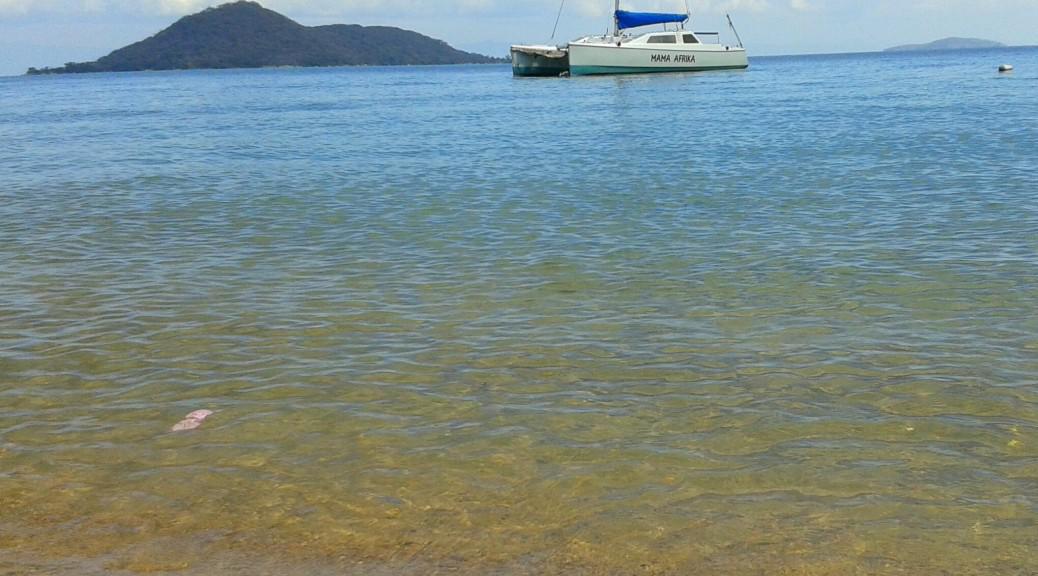
For those who travel in Africa the risk of contracting bilharzia must always be considered. This is a blood fluke infection with adult male and female worms living over a life-span of many years in certain veins of the infected person. The infection is acquired from contact with water containing free-swimming larval forms of the parasites which have developed inside infected freshwater snails.
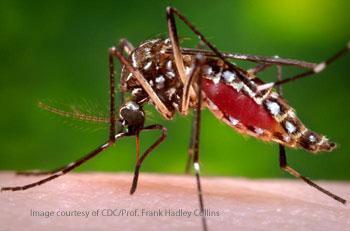
One of the biggest and most common health risks when travelling in Africa is Malaria. Before you venture into Africa, find out if you are entering a Malaria high risk area. If you are, you must take prophylaxis. Remember that even in winter when it is cooler and the risk less, water still acts as breeding ground for mosquitoes. Continue reading All you need to know about Malaria→
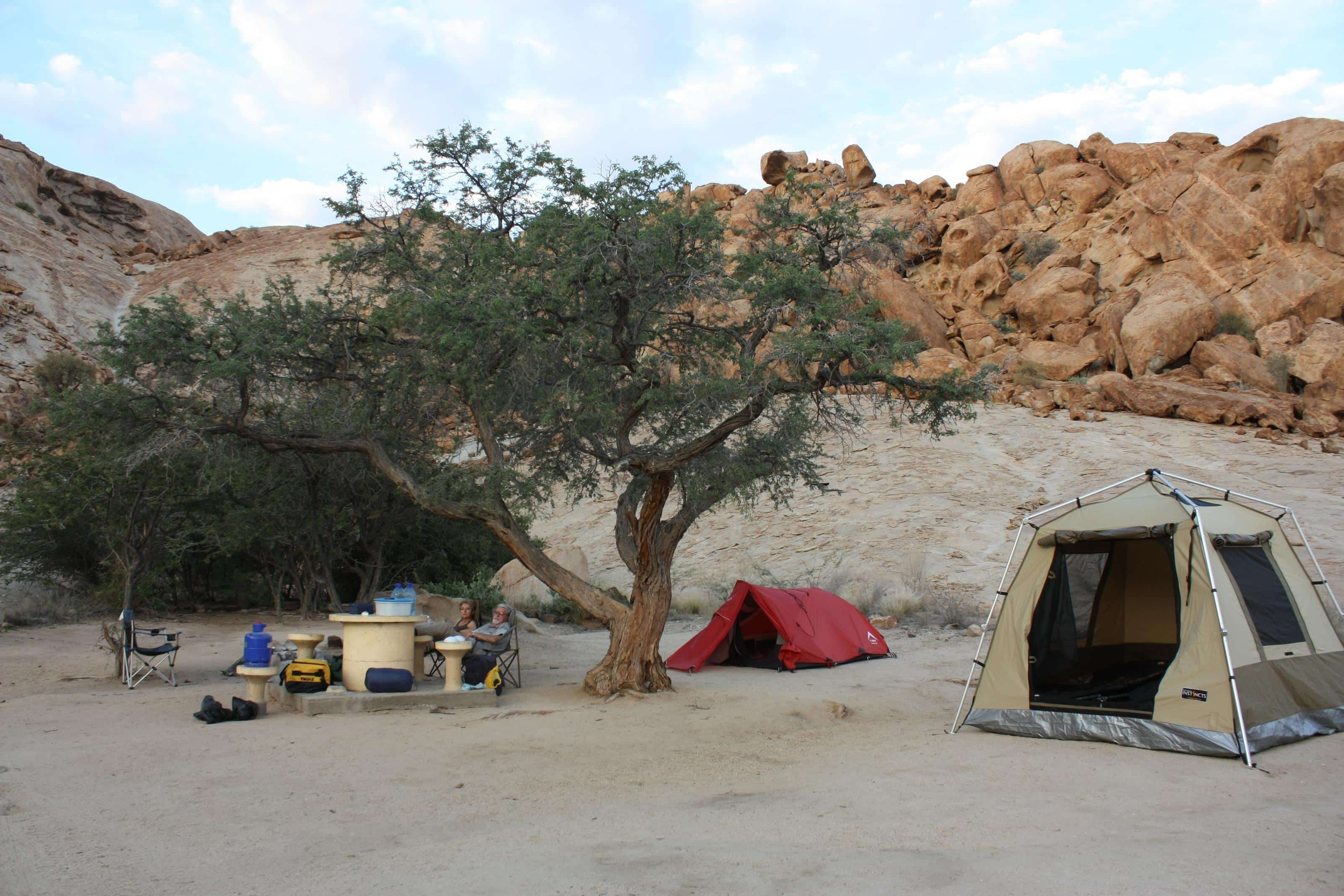
Self-drive travellers have different overnight options. They can choose to stay in full board or self-catering accommodation, or to camp. Campers have the option of travelling with and staying in a mobile home or campervan, or to camp the old-fashioned way. Well, not really the old-fashioned way, because nowadays there are so many gadgets and such a variety of equipment available in the outdoor shops. Continue reading Camping checklist→