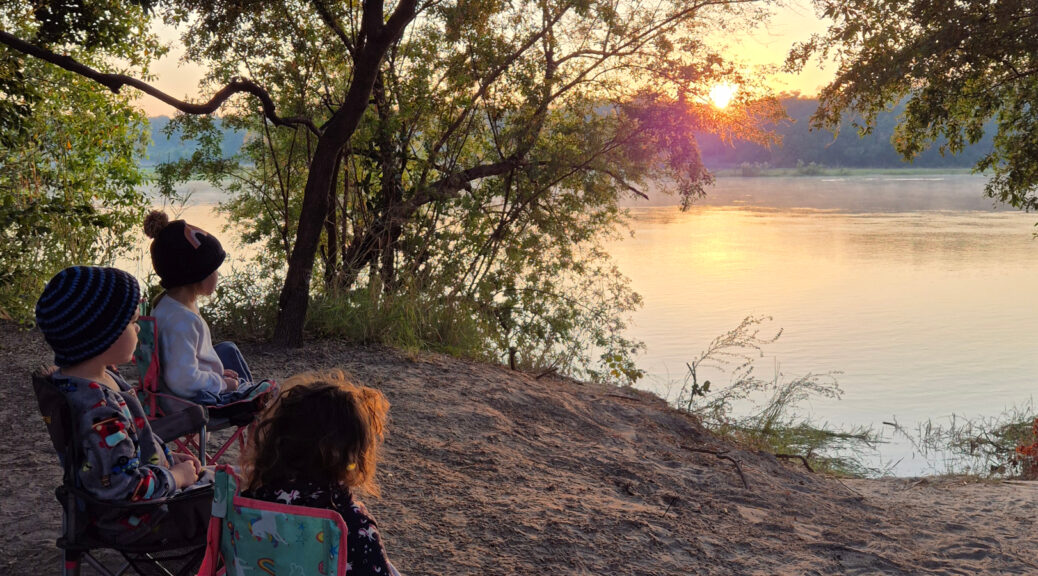
Previously known as the Caprivi, Namibia’s Zambezi region remains off the beaten track, with fewer visitors and affordable rates. What’s more, the campsites are ideal for families who want to introduce their kids to the joys of overlanding. By Lea Erasmus
Like many South African families, we prefer to escape the cold of winter for the June holidays. We know that heading unlocks balmier weather and a healthy dose of bush, adventure and fireside chats! In June 2025, we set off on a long-distance overlanding expedition with our kids, then 2.5 and 4.5 years old. We chose to start in the north, in the Zambezi region, and worked our way south-eastwards from there. Follow our three-part trip report for more on overlanding in Namibia, Zimbabwe and Botswana, with tips for doing so as a family.
How do Zambezi and Caprivi fit together?
The area that was known as the Caprivi Strip is today divided between Zambezi and Kavango East. The Zambezi region is the northeast corner of Namibia, stretching east from Divundu to the confluence of the Zambezi and Chobe rivers. Divundu itself lies in the Kavango East region. Whereas Rundu is the main town in Kavango East, Katima Mulilo is the biggest town in Zambezi.
The route to Zambezi
To get to the Zambezi region from the Western Cape, we opted for a few long-haul days up the B1 of Namibia. Along the way, we stopped over at Jansen Kalahari Guest Farm, north of Mariental, where we enjoyed a comfortable stay in their lovely chalets. We also went on a special sundowner drive with owner Hennie, exploring their farm from the back of their plaasbakkie. From there we took a little detour to see Ghaub Nature Reserve and Farm near Otavi. This is a popular stay for travellers before or after Etosha – with lovely old-world charm and peaceful natural surrounds. The food and hospitality here were excellent!
Traveller tip: We used the Tracks4Africa Guide App to check out easy access to great butcheries en route, stocking up on local meat and biltong for the trip.
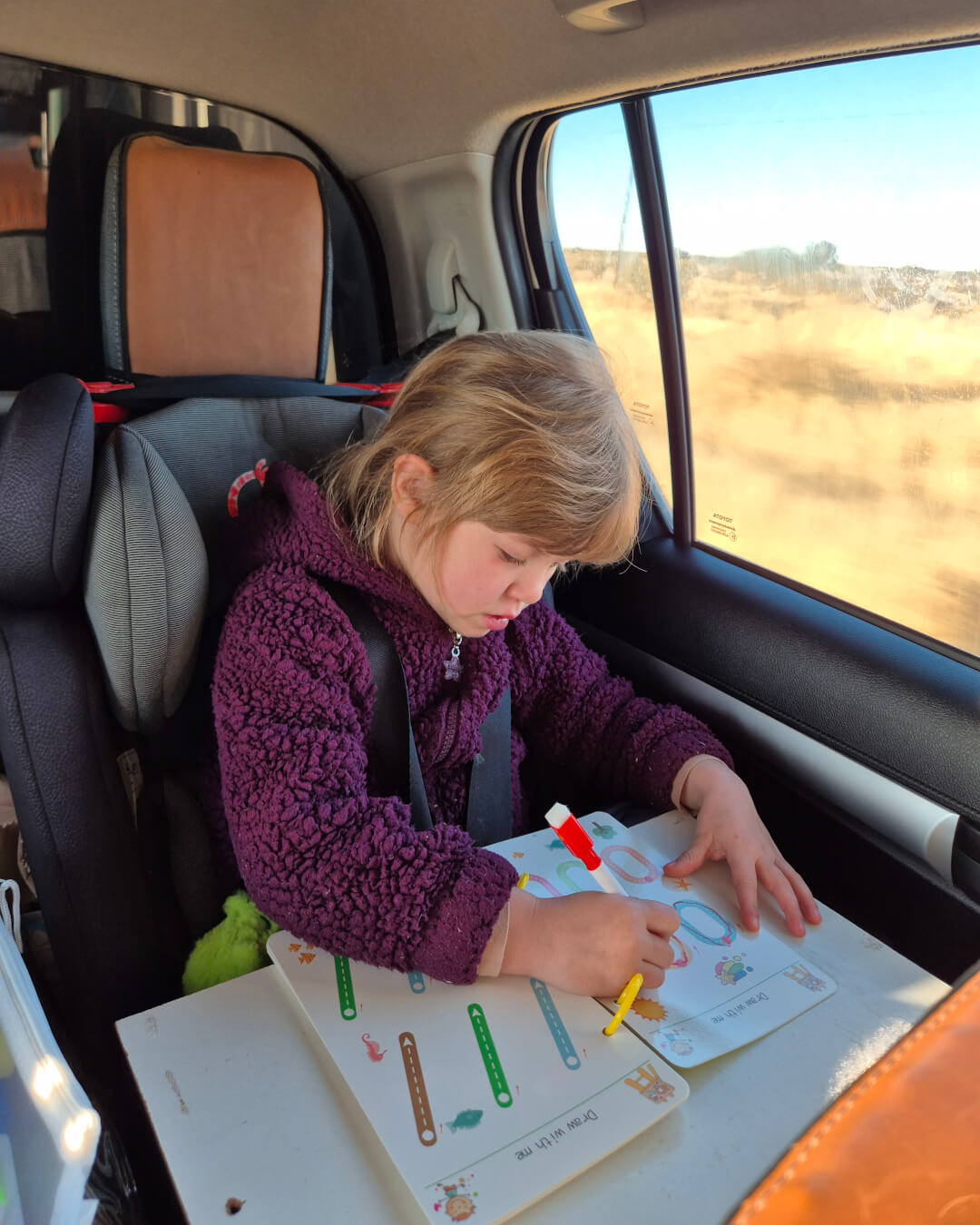
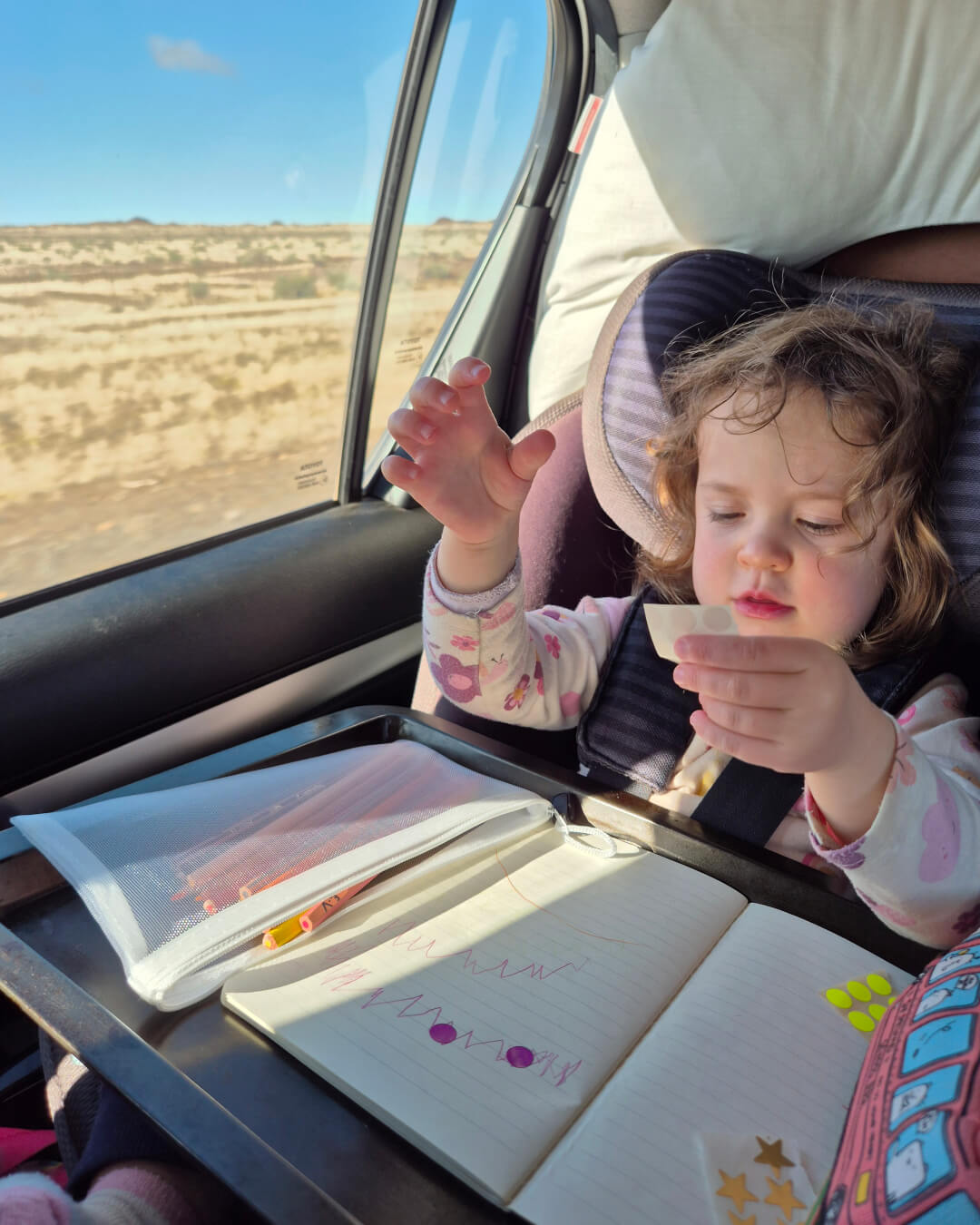
After the three-day transit from the Cape, our kids were driving fit and used to the rhythm of the long drives. We met up with the rest of the family, including two kids aged four and six, in Grootfontein for the last push to Divundu. We have been pleasantly surprised by the development of retail stores in smaller towns throughout Namibia and especially the Zambezi region. It now boasts Shoprite and Metro shops, convenience stores and other outlets where you can buy some pretty surprising items. I could even get full cream Lancewood plain yoghurt for my curry pot at Nambwa Camp.
Why visit Zambezi
The Zambezi region is a firm favourite destination for us. Francois and I last travelled here in 2019 and not much has changed, aside from a few new camps and better shops. On our side things look a little different, with two kids, a totally new camping setup and a six-year-old business!
What makes this area a haven to visit is the lower visitor numbers, the prime camping and accommodation spots at more affordable rates and the diversity of game and birdlife.
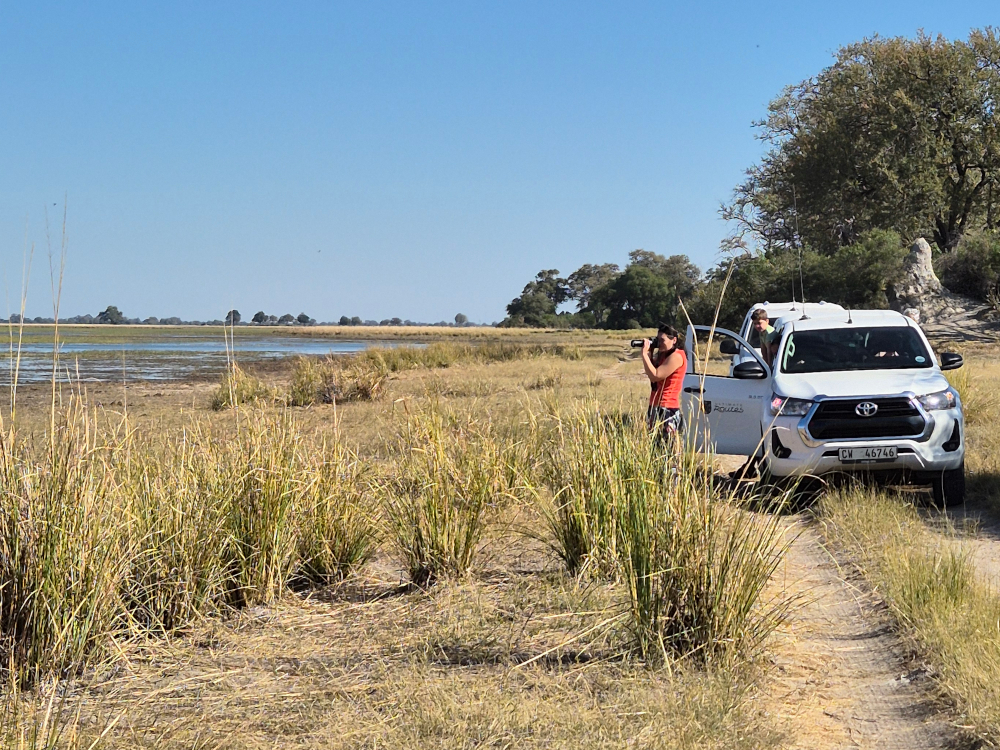
Traveller tip: Zambezi also offers visitors numerous places to catch fish, including the elusive tiger fish if you visit at the right time of year (April–January). [Kavango East also offers good fishing around Rundu and at Shamvura Camp – Ed.]
We call it the Route of Three Rivers, with recommended stops being the Kavango, the Kwando and the Zambezi rivers. This route easily extends to including the Chobe as a fourth river, just for luck.
Camping with wildlife in Kwando
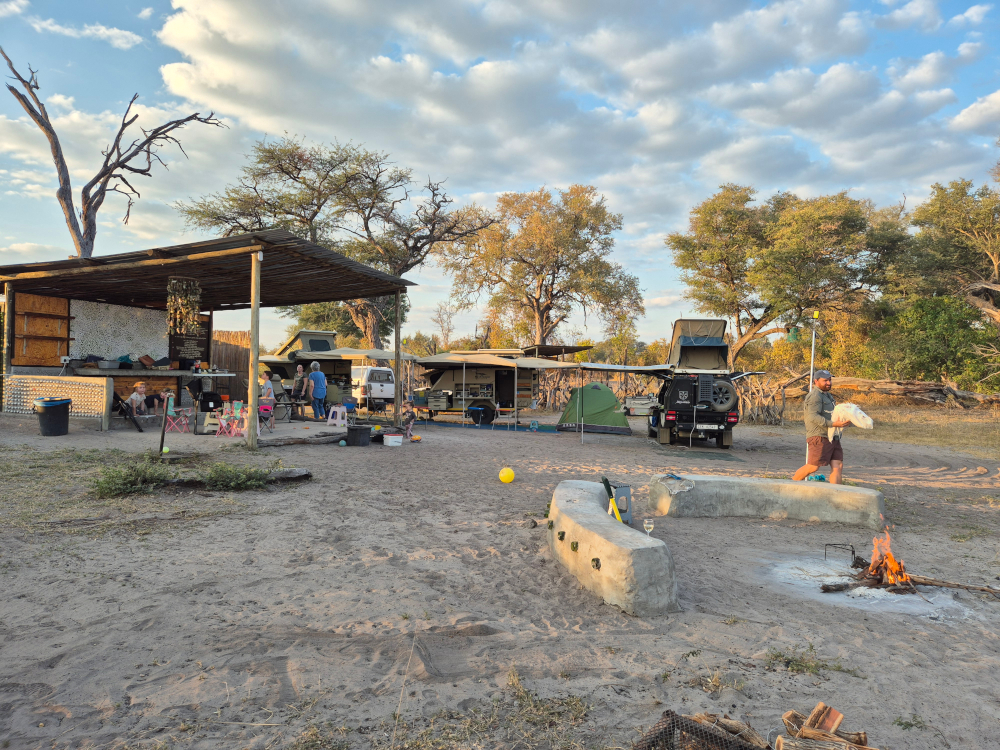
Each area has a game reserve with unique features, and one of our favourites is the Bwabwata National Park’s Kwando Core Area. Within this park is a campsite with only four exclusive stands, each with a uniquely decorated bathroom and kitchen shelter built from bottles and other recycled items. Nambwa Campsite gets you close to the famous Long Pool and Horsehoe Bend, just two of the beautiful attractions in this park.
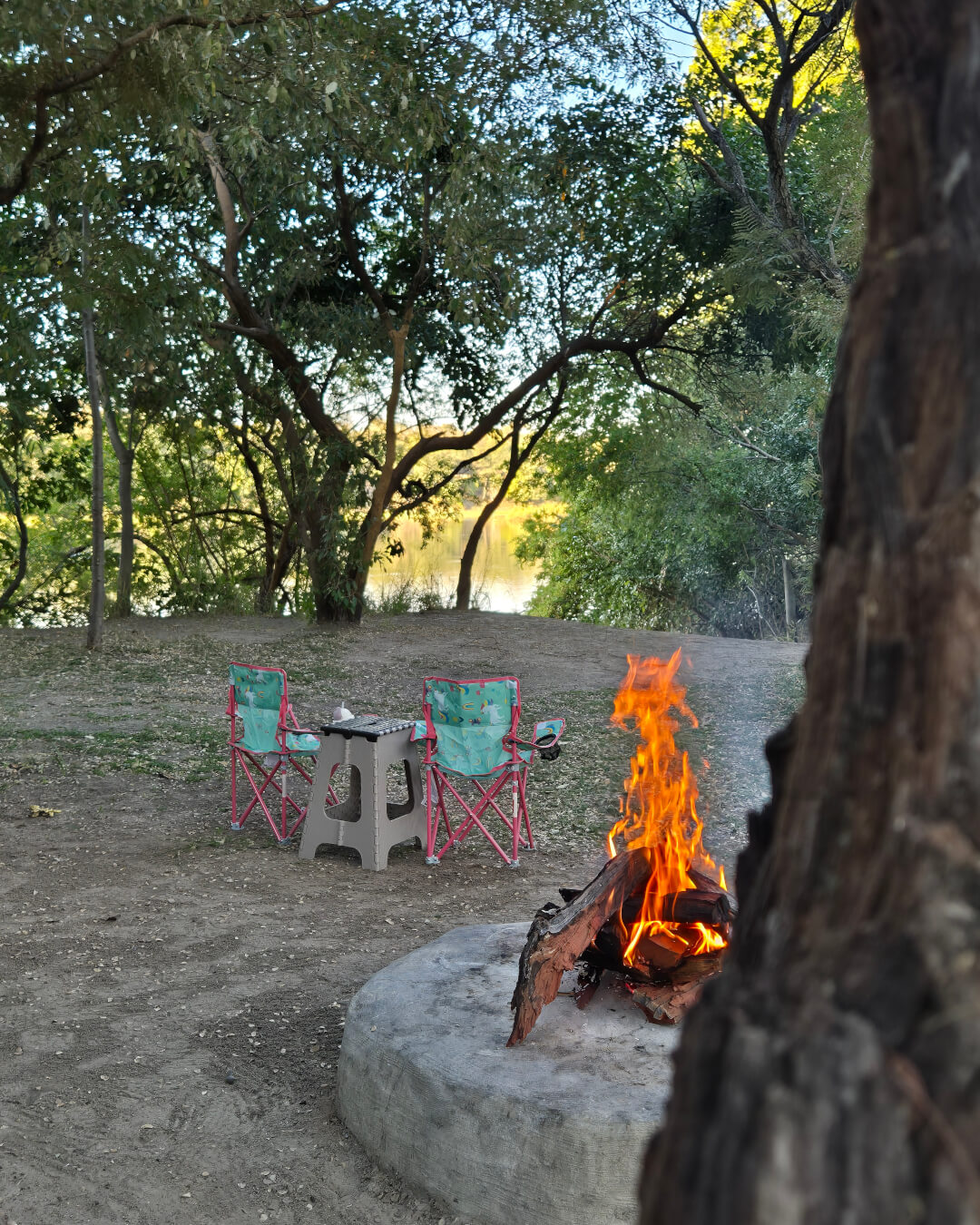
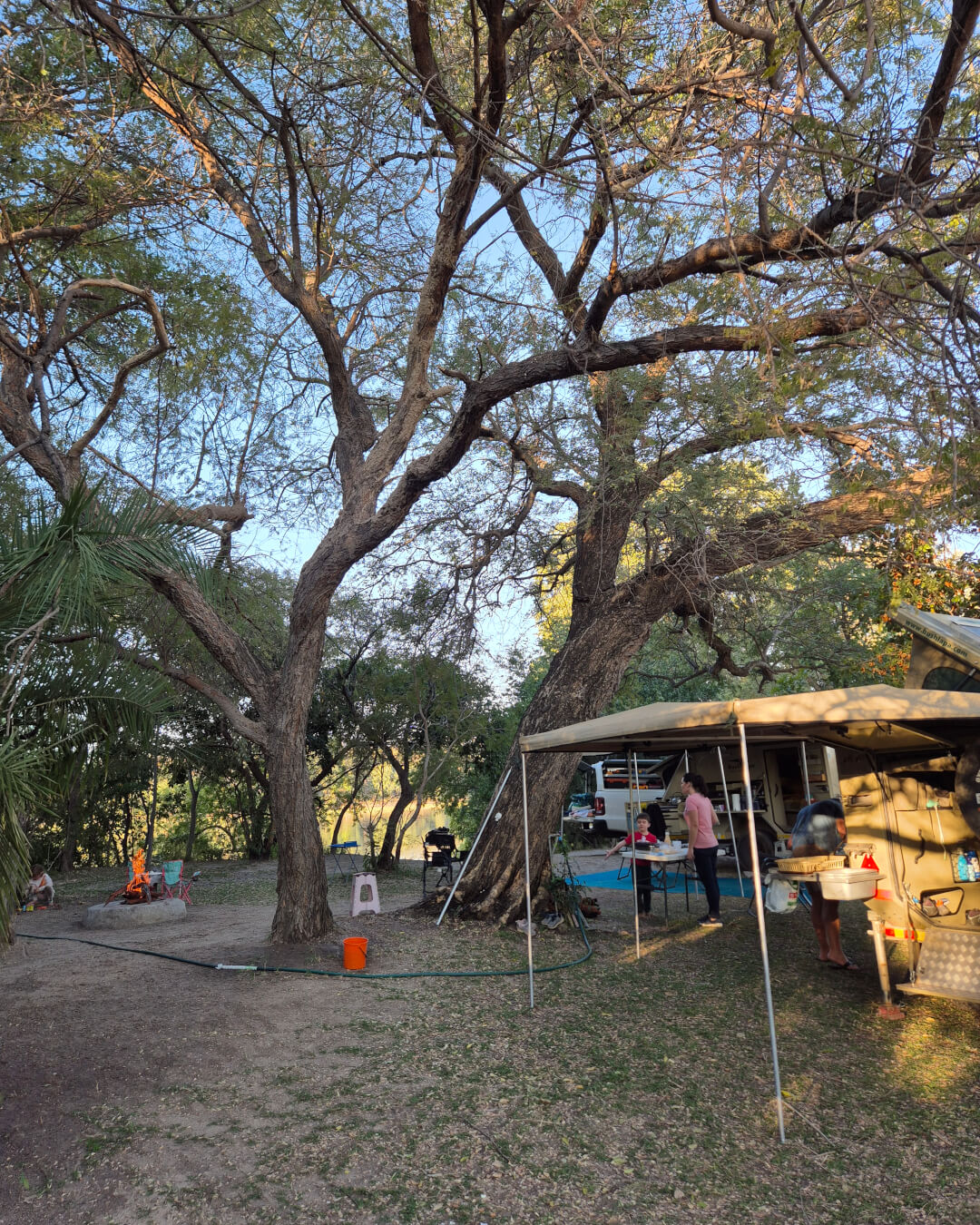
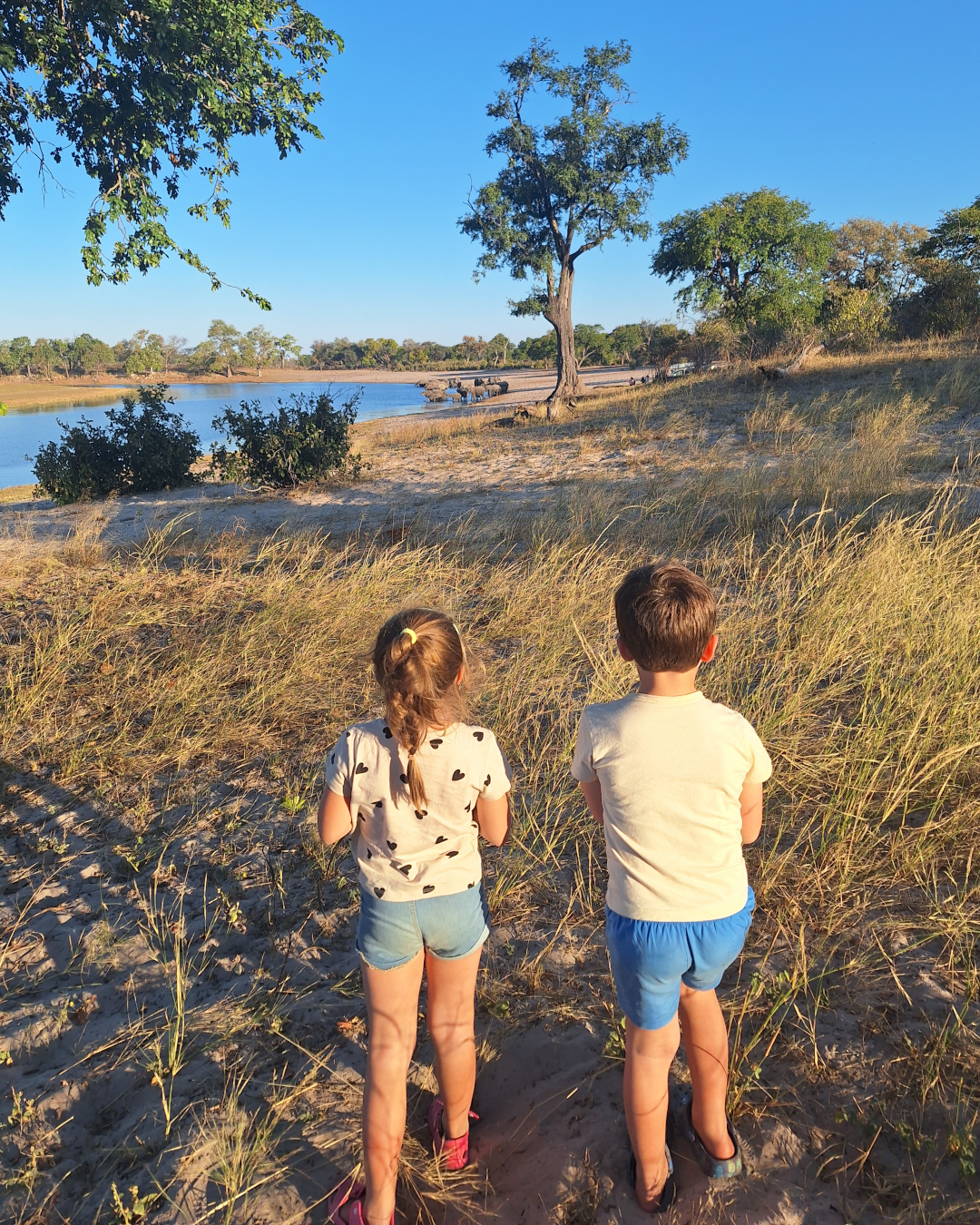
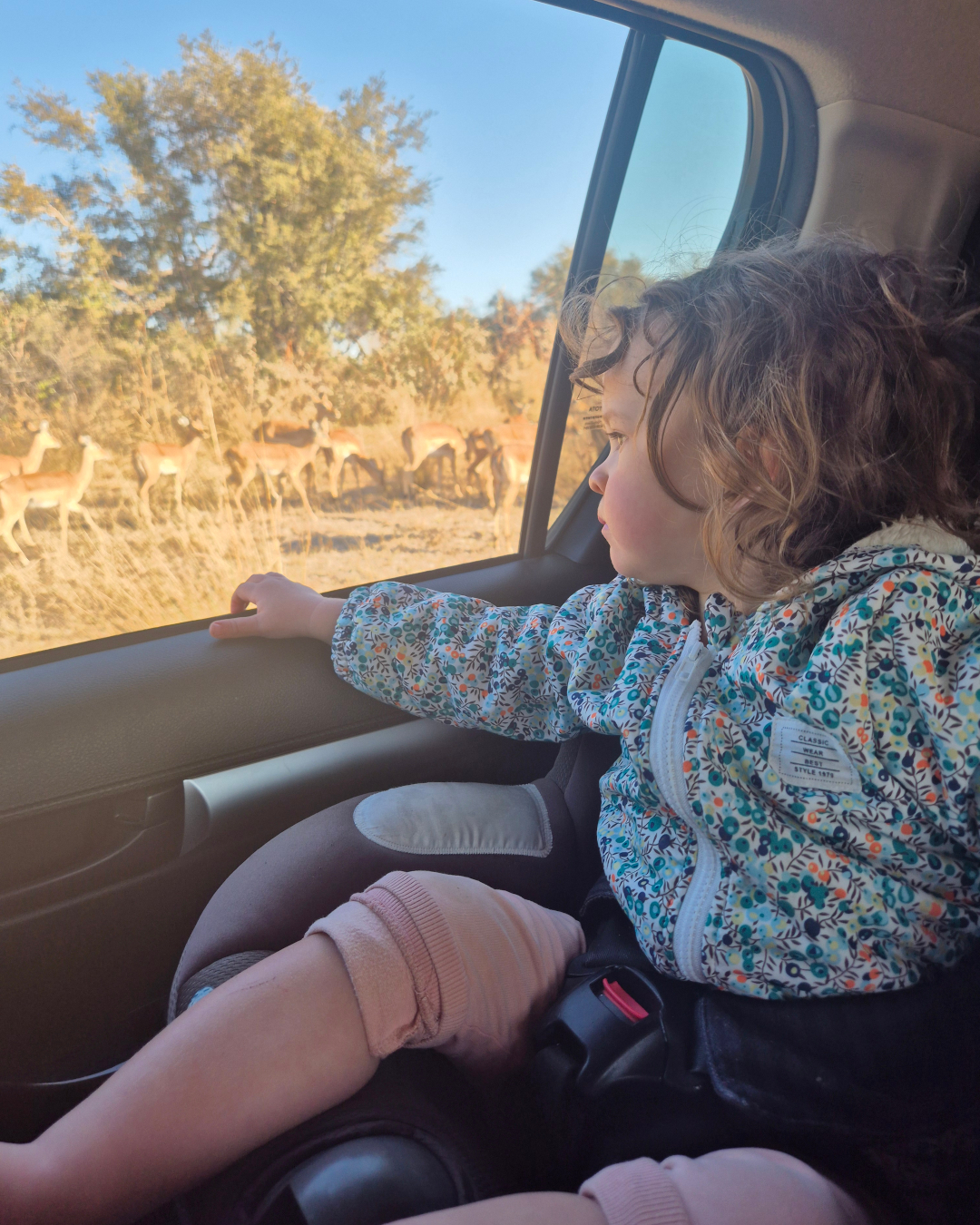
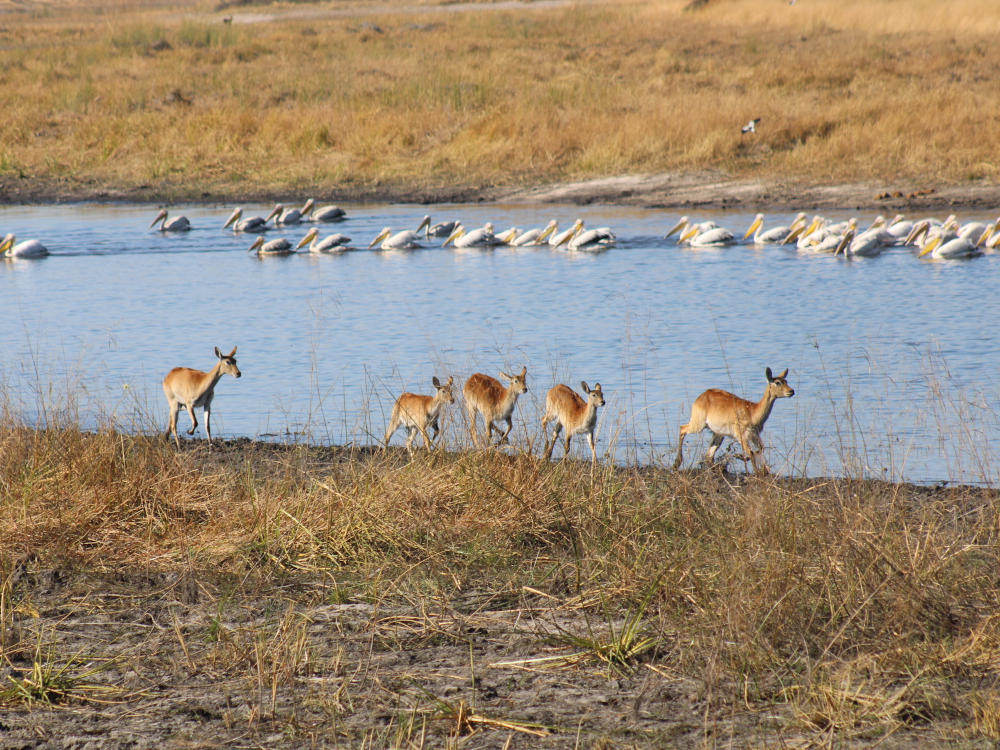
We spotted a leopard, sable antelope, giraffe, hyena and, of course, elephants on our drives. There was also a constant presence of red lechwe grazing in the swampy grass. A highlight was early morning encounters with peaceful kudu and their calves browsing near our camp in the mornings.
Tip for travelling with kids: Ease into unfenced campsites with kids at a place like Nambwa, where the ablutions and amenities are private and spacious. In addition, the density of big cats in the park is not as high.
Wilderness camping with a touch of luxury
Another favourite, but this time on the eastern side of the Kwando River, is Mukolo Camp, which boasts a hands-on manager and friendly staff. Their campsites are spacious, with private ablutions, shaded areas for your tent or caravan and access to hot water, power points and a water tap in camp. We enjoyed sundowners on the lodge deck and also an afternoon cruise along the Kwando River – delightful!
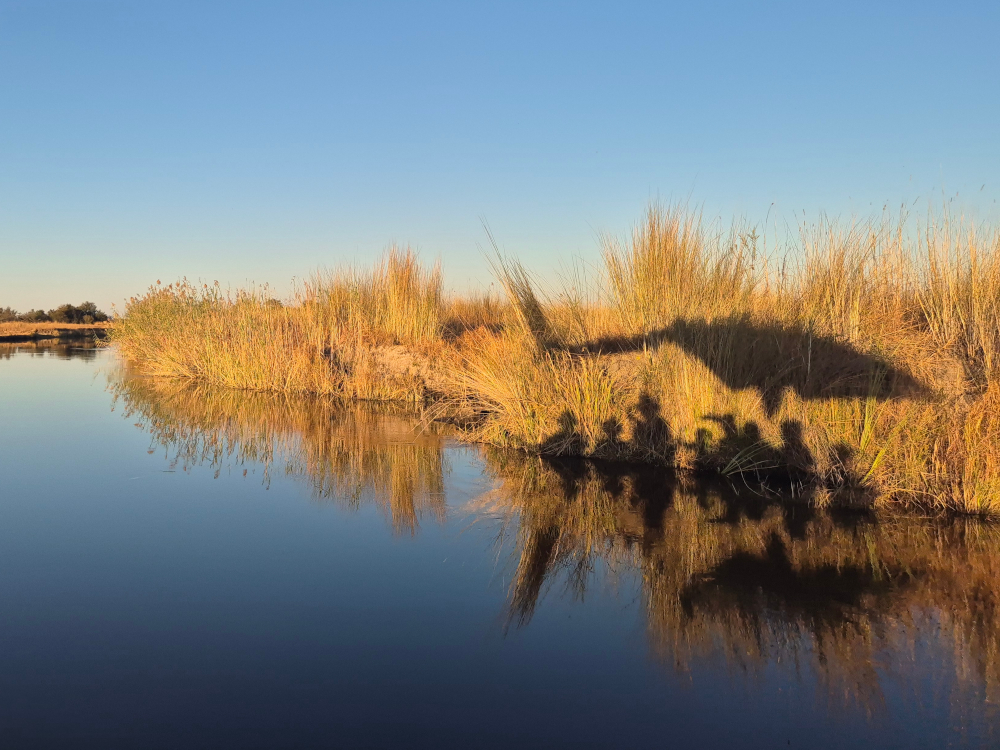
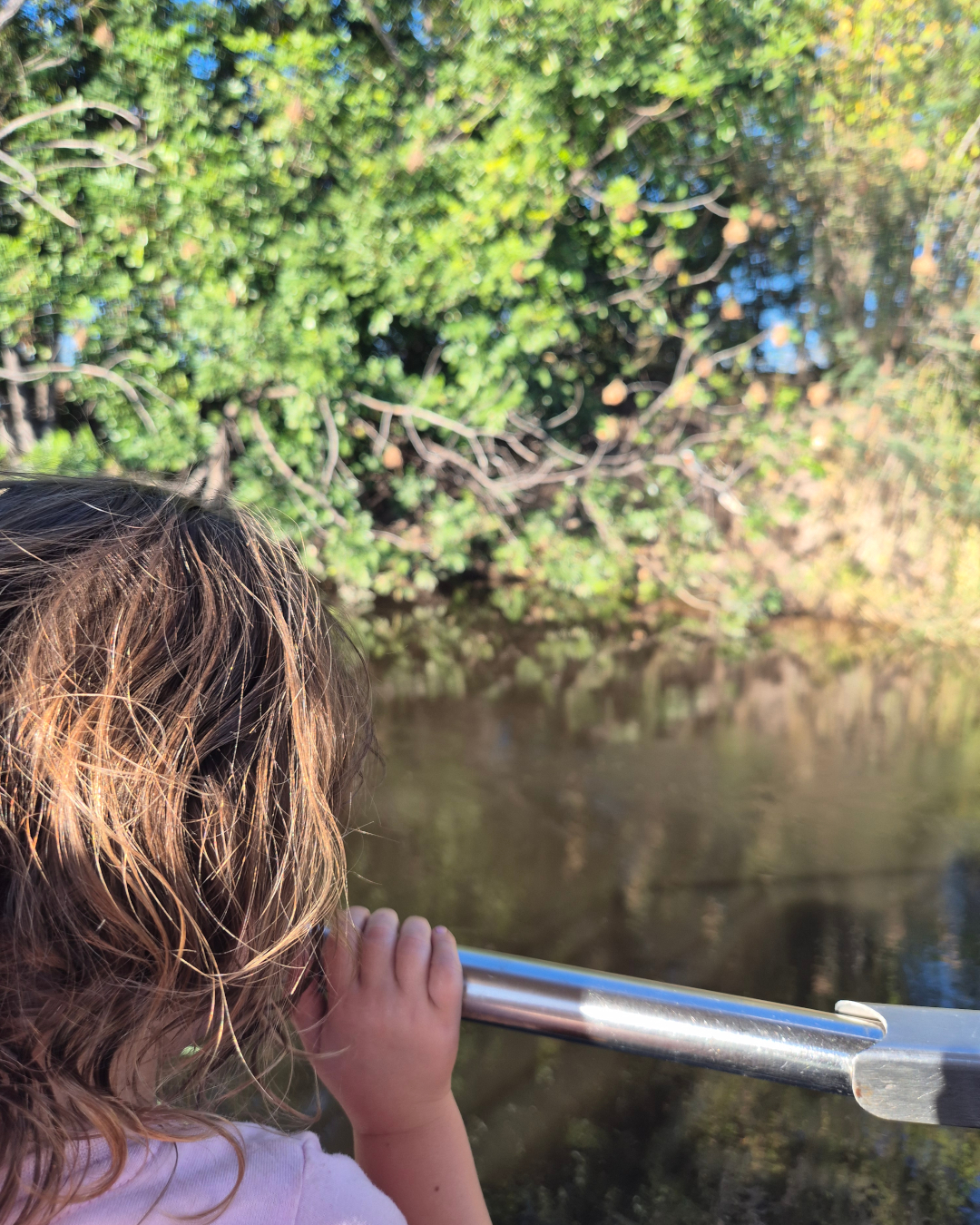
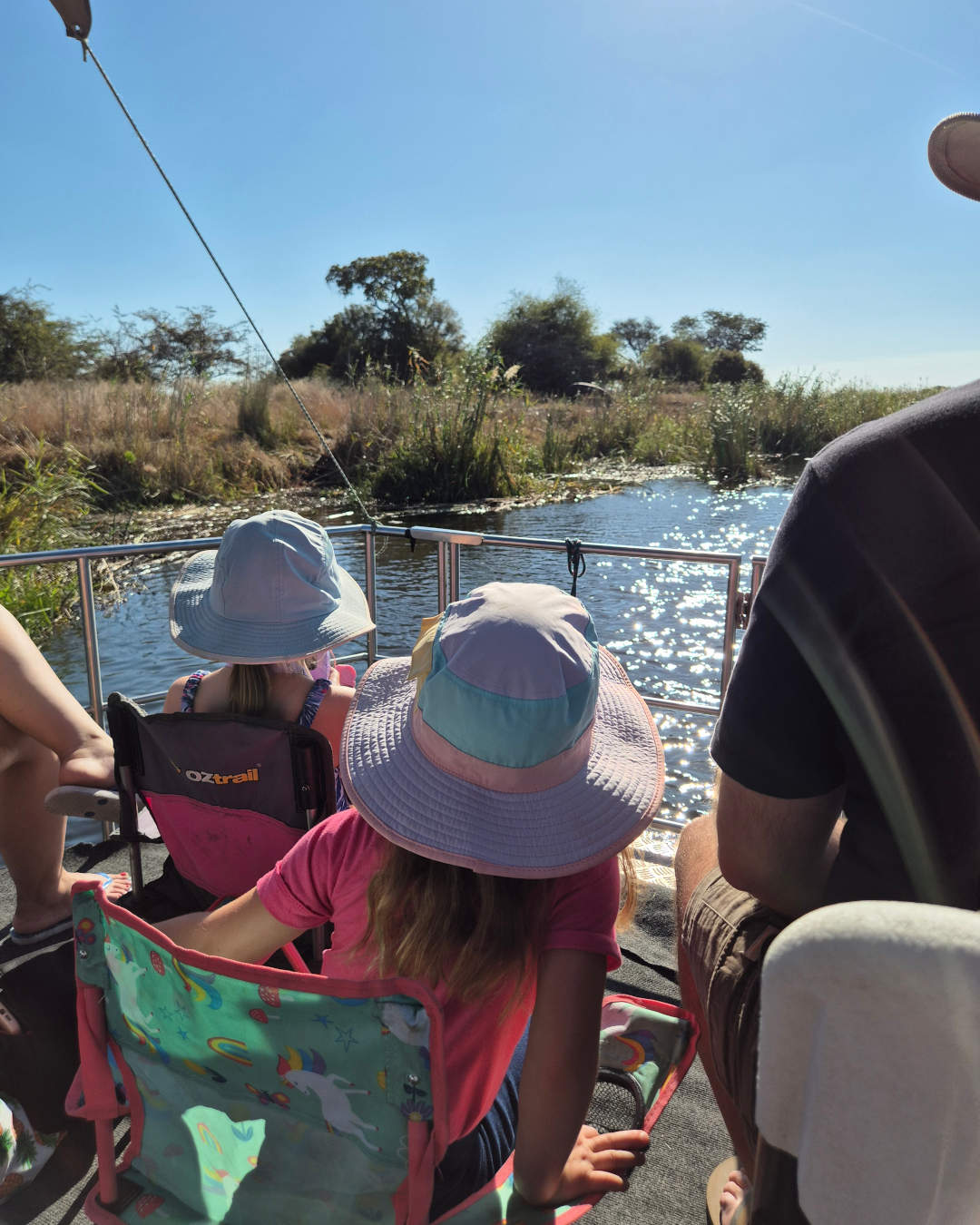
Tip for travelling with kids: If you’re overlanding with small children, opt for a private boat or game viewer.
A final stop in the Caprivi not to be missed, and definitely a hidden gem, is Nkasa Rupara National Park. It is part of the Linyanti floodplains and quite a remote destination. There are two camps here, but our preference is Livingstone’s Camp: each stand has private ablutions and a spacious thatched shelter with a kitchen area. Animals from the park roam free, so campers enjoy some luxuries without losing the thrill of wilderness camping!
Going the distance
What we love about the Caprivi as a destination with young children is that the parks are relatively near each other and connected with a tar road. Although getting there does involve two- or three-day stretches of driving, with the right resources, kids can enjoy the trip.
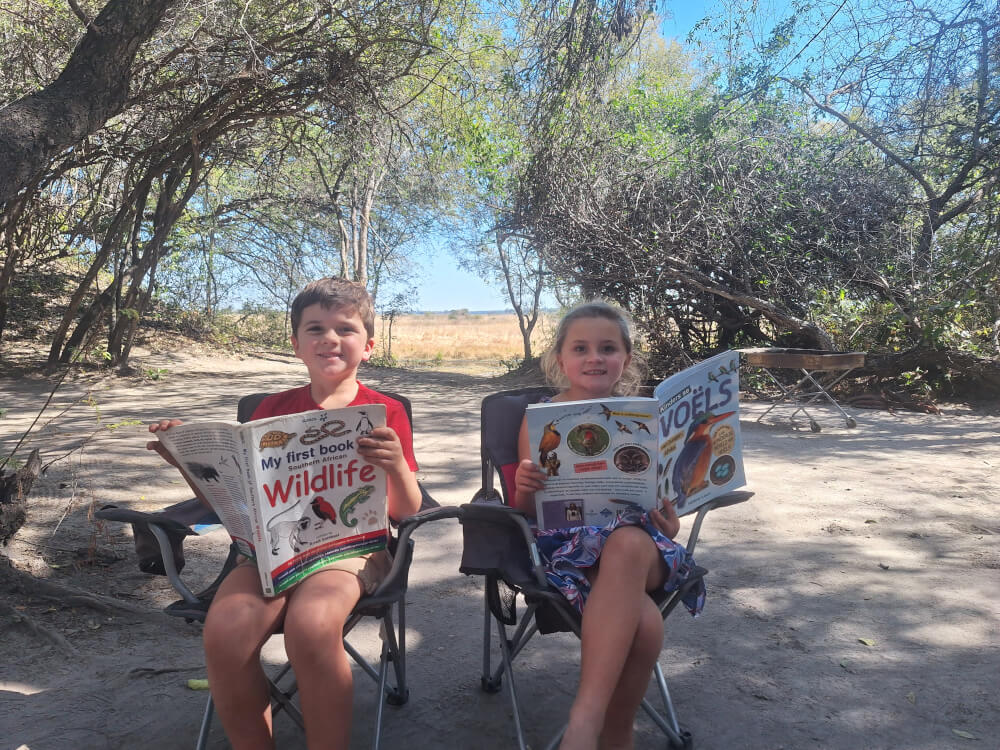
To keep kids busy on the long road, we make sure that we take along:
- Car games, activities, colouring and reading books
- Stickers, magnets and water-colouring activities
- Checklists and nature books are a fun way to get them involved.
- We love listening to stories and songs in the vehicle, especially on the long road.
- Audiobooks are also great for older kids.
Tip for travelling with kids: Make sure you update your Spotify with a variety of playlists and stories!
About the overlanders
Lea and Francois Erasmus both grew up overlanding and loving the outdoors, a passion they are passing on to the next generation. In 2018, they combined their professional skills with their passion to create a custom travel company. Ultimate Routes designs and books tailored routes for others who want to explore Africa’s wild places.
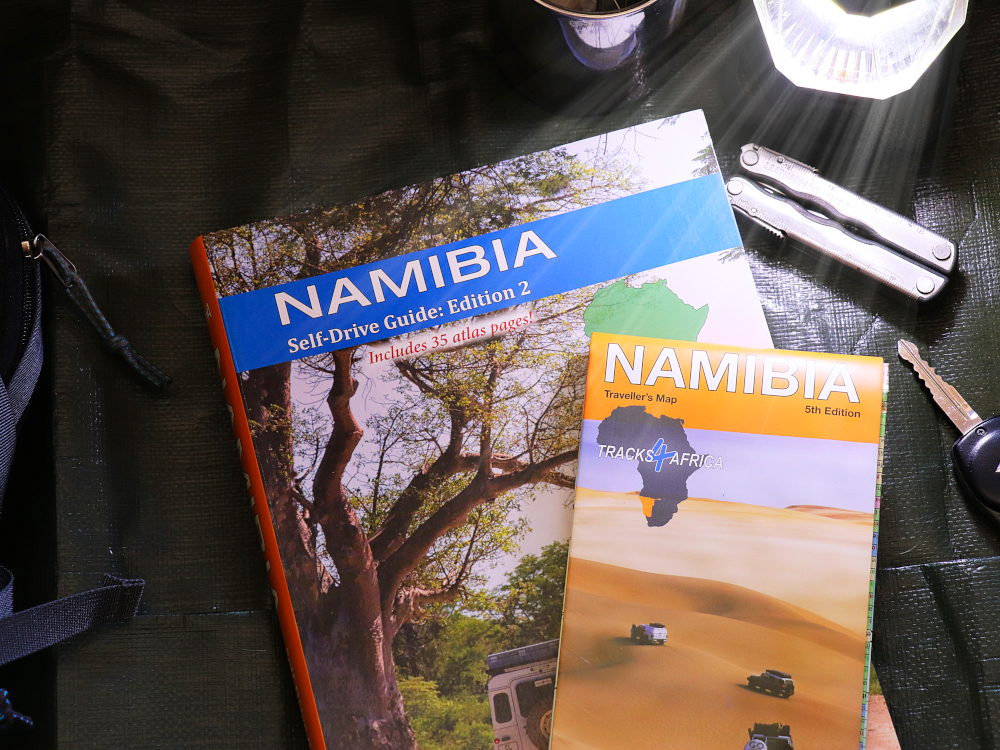
Planning a family trip to Namibia becomes easy with our Namibia Self-Drive Guide. It has the lowdown on sights to see, places to stay and how to get there. There are even suggested routes if you are looking for something tried and tested. Plus the guide is packed with essential overlanding advice on preparing your vehicle, what to pack and how to manage border crossings. The Namibia Traveller’s Paper Map offers a macro view for route planning. Get a travel bundle of guide and paper map together to save.
