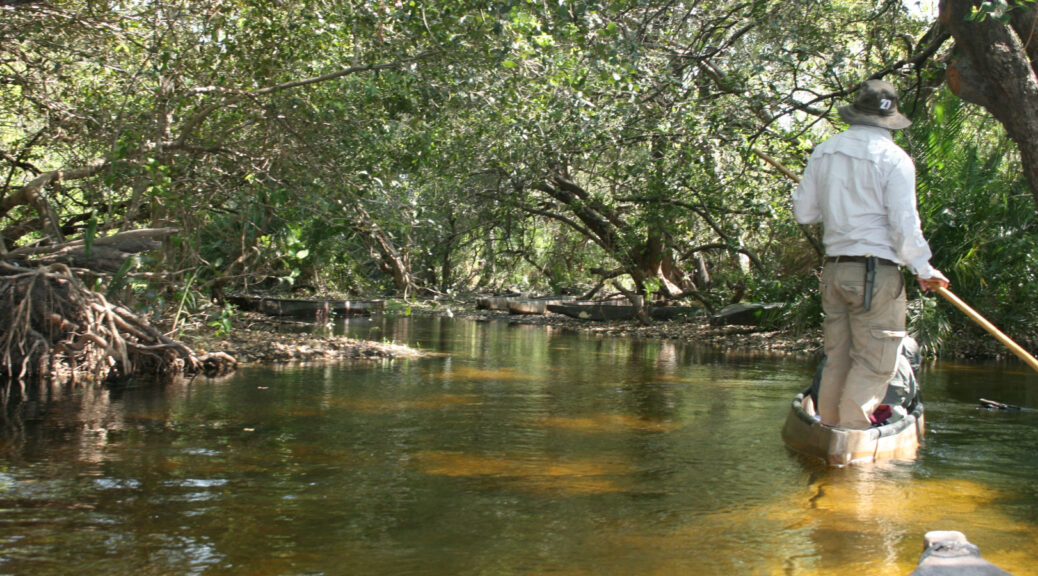
A three-night stay at Guma Lagoon was the chance to maximise our time on the waters of the Okavango Delta. We went tiger fishing, enjoyed an exciting boat cruise and poled through the reed-lined channels on a mokoro. By Inge Triegaardt
Long before our August 2025 trip to Botswana took place, the Okavango Delta was the place we most wanted to visit. After tiring days on the road (and two wonderful days at Khama Rhino Sanctuary), we were craving time on the water. With Gary a keen fisherman and long set on landing a tiger fish, the North-Western Okavango Delta beckoned. Guma Lagoon was the obvious choice, especially with the spacious camp sites on the edge of the lagoon.
Before setting off for Guma Lagoon, we stocked up on food, water, firewood and other refreshments in Maun. The A3 highway we took towards Sehitwa was the last stretch of good road we would travel. From Sehitwa to Gumare, the 146km stretch of tar is dotted with potholes that often span half the road. The landscape was beautiful with thorn trees towering above yellow grass. Traffic on the road was extremely little and far between. You often feel this is the reason for your visit: to have the solitude of this vast openness.
Getting to Guma Lagoon
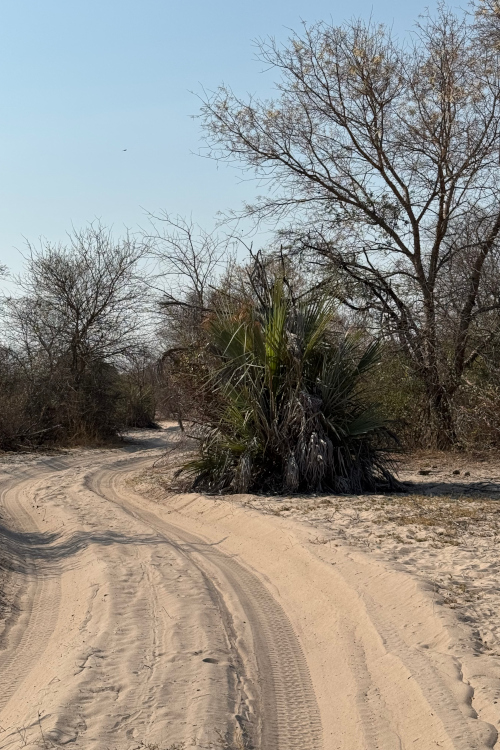
Gumare was our last fuel stop – make sure you stock up and refuel as this will be your last chance. The further north you go, the less developed it becomes. The worst piece of road we encountered on our entire journey was the 46km stretch from Gumare to Etsha 13, the turn-off to Guma Lagoon Camp. Check everything on your vehicle, tighten all the bolts, strap everything down and take your dentures out – the road gets rough.
Most of the tar has been lifted and the pieces that are left are undriveable, with the largest potholes we saw in Botswana. Relax. Stay focused. And take it slow, no more than 60km/h. Even though we encountered roadworks, local drivers did not seem to believe in slowing down, nor did trucks give way. You will find yourself on all sides of the road, trying to find the least corrugated, least potholed and least sandy stretch.
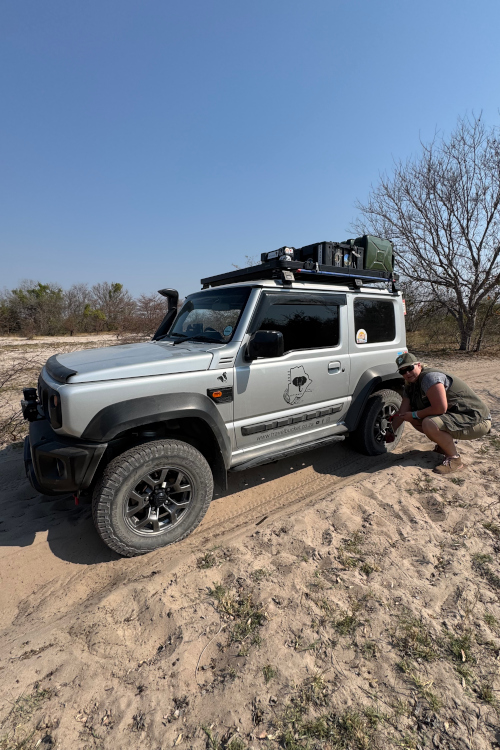
The Tracks4Africa maps on our GPS clearly indicated the turn-off to Etsha 13. From this point onwards we had to trust the GPS to guide us through the village and on to our final destination for the next three nights. Firstly, we found a relatively quiet spot just outside of the village to deflate our tyres for the thick sand that lay ahead. From there on it was all fun and games. There is something about the Botswana sand and making your way along the banks of the iconic Okavango Delta.
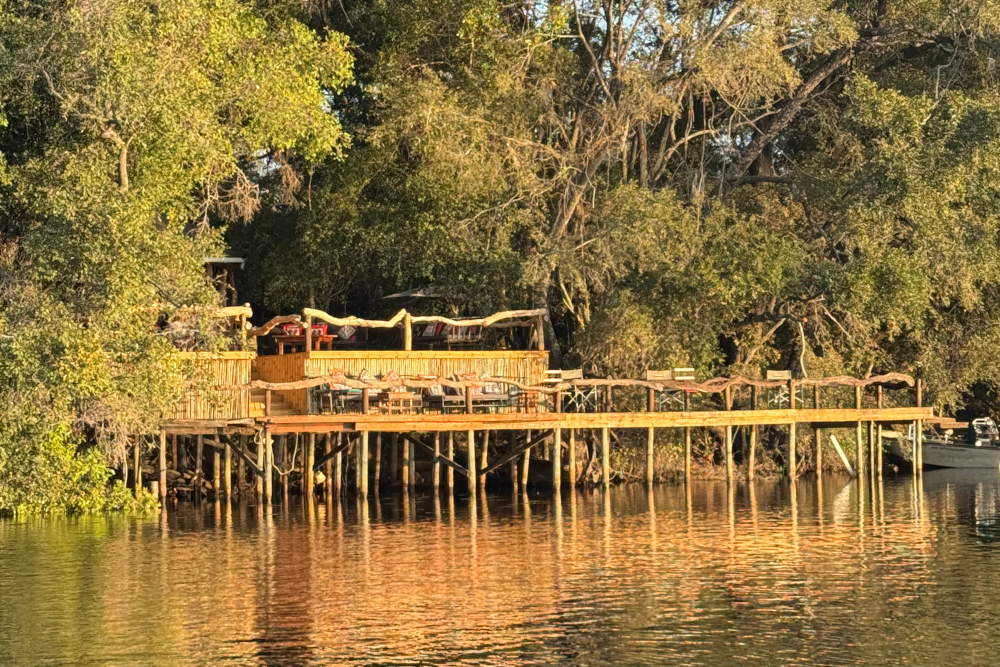
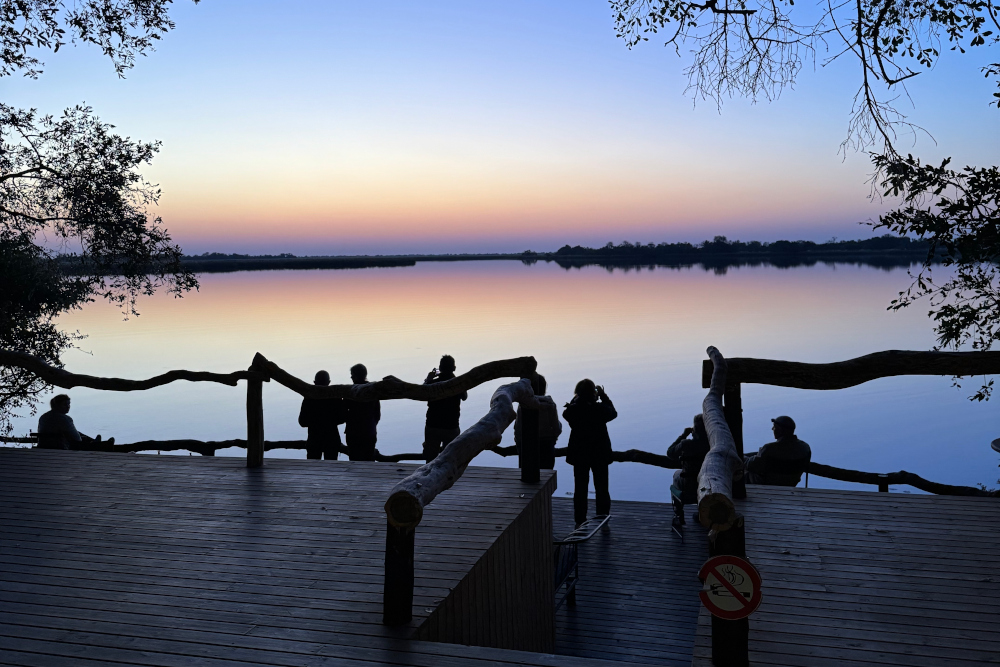
Guma Lagoon Camp offers various accommodation options, and the campsites are all in the shade with their own ablutions. The beautiful deck offers views that you see in the most expensive magazines and brochures. This is Botswana! The sunsets were even prettier than any photograph can show. The sounds of hippos, fish eagles and aluminium boats making their way out for a sunset cruise was mesmerising. Cocktails on the deck at sunset became a mandatory timeout for us before settling into camp to cook and prep for the next day.
Exploring by mokoro
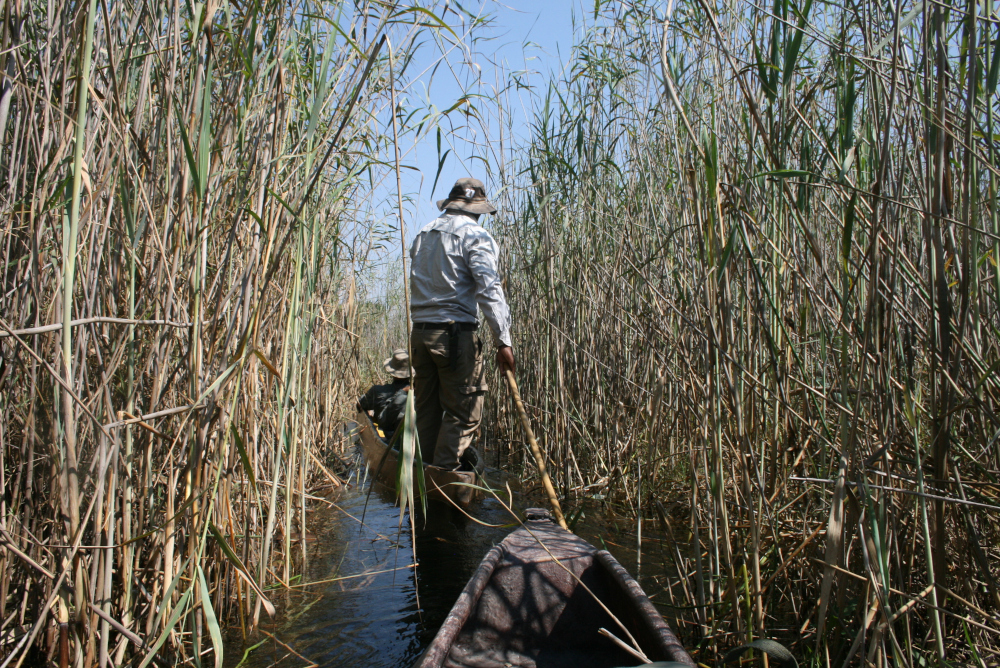
A 30-minute boat ride in a flat-bottomed aluminium boat brought us to the mokoro station, where we were assigned a poler for the day. Travelling by mokoro was quite a balancing act for us, but these polers know what they are doing. The mutual respect that the polers and animals have when everyone is using the same water channels was amazing to see. Our trip offered a glimpse of what it is like for locals who have to cart things back and forth across the Delta while trying to avoid a collision with a hippo.
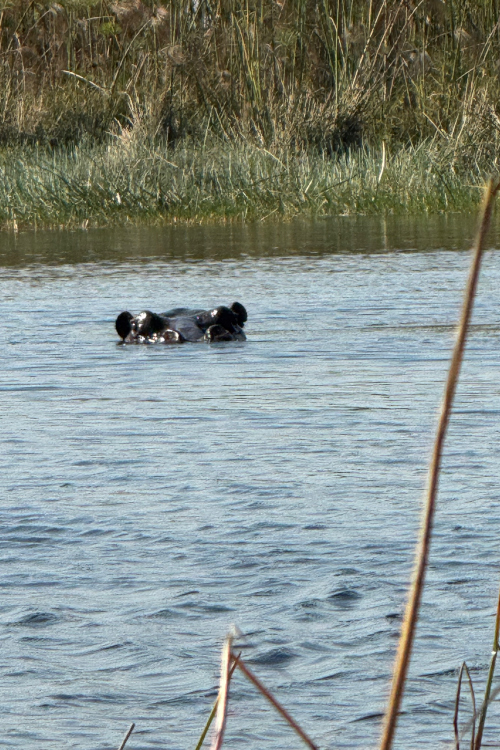
We got to park our mokoros along some grass reeds and watch a bloat of hippos about 60m from us. They were watching us just as we were watching them, taking as many photos as we possibly could. When they got closer, our mokoro felt just that little bit smaller – you realise how vulnerable you are out on the water.
After about two hours on the water, admiring the water lilies and the abundant birdlife, we moored at an island for lunch. We had opted for lunch packs provided by Guma Lagoon. Then our polers and a guide, named Royal, took us for a 45-minute walk around the island where they had grown up as children.
Life on a Delta island
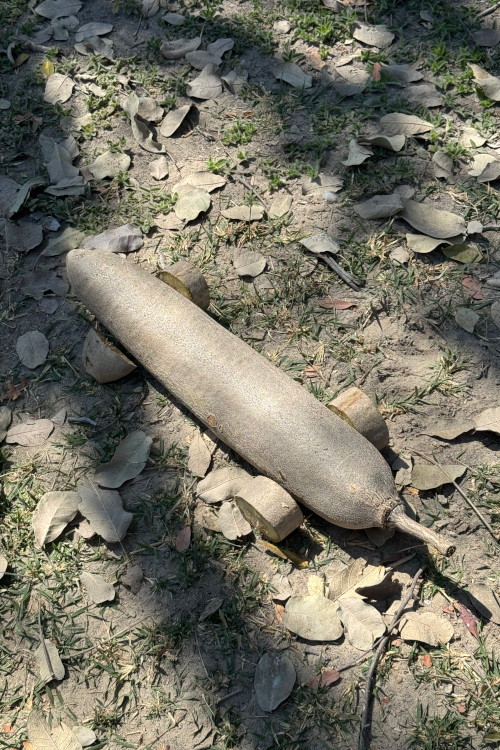
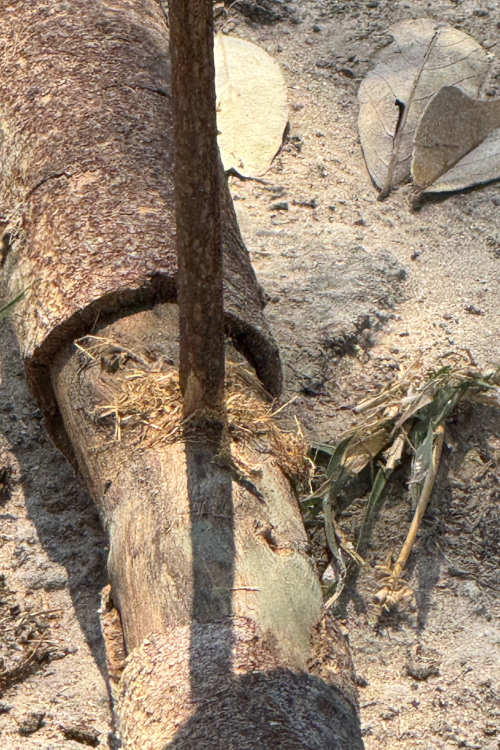
As we landed, we could see an elephant herd in the distance. You trust the guides and listen to their guidance as they keep you safe. “Keep downwind” was our first instruction. During our walk around the island, we learned more about daily life. We saw how children build little racing cars from sausage tree seeds and how they fashion a necklace and a little hat from a water lily pad and flower. We were shown how to make fire with a twig, a piece of bark from a specific tree and elephant dung. (At least we managed to get smoke going.) Then we had a chance to rest our legs and have a scrumptious lunch before heading back in the mokoro.
We opted for the full day mokoro trip, but it is an extremely long day on the water. For two hours at a time, you will find yourself sitting still with sun reflecting off the water. So we were happy to see Guma Lagoon Lodge appear in the distance. That evening we could enjoy our sundowners with happy hearts after a magical day on the water.
Cruising to adventure
The next morning we were up early and ready for our next adventure. With our gear packed and refreshments in hand, we met up with our guide, Cobra. The previous night, he had come to our camp to introduce himself and check we had the necessary for a successful fishing trip on one of Africa’s most famous waterways. For our party of six, we hired two boats: one for two people and one for four people.
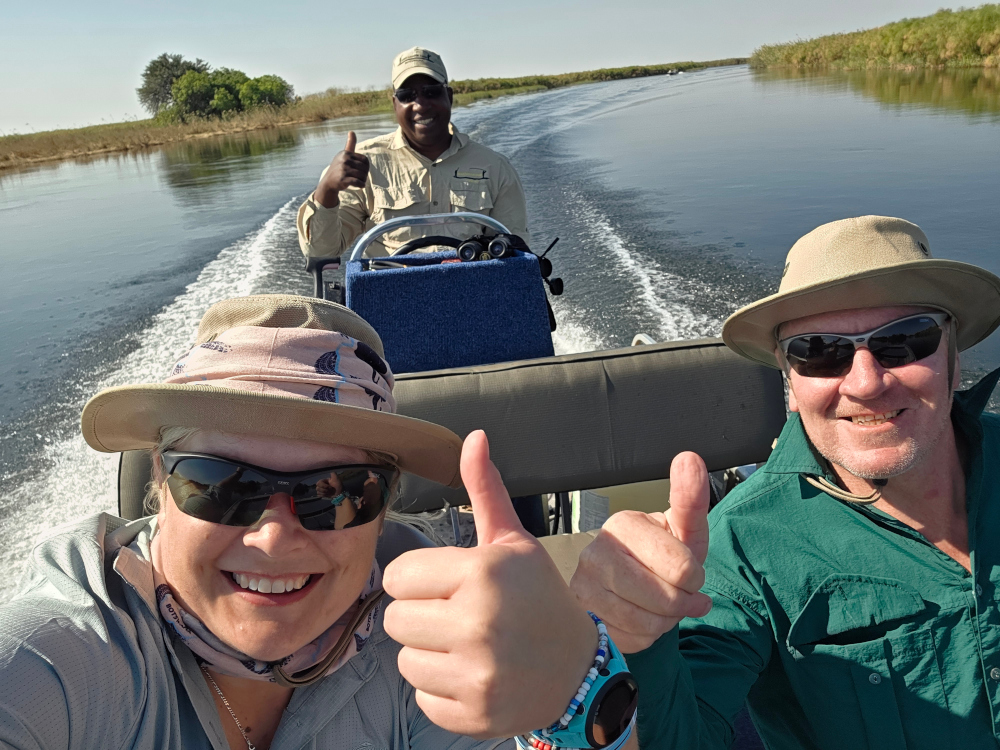
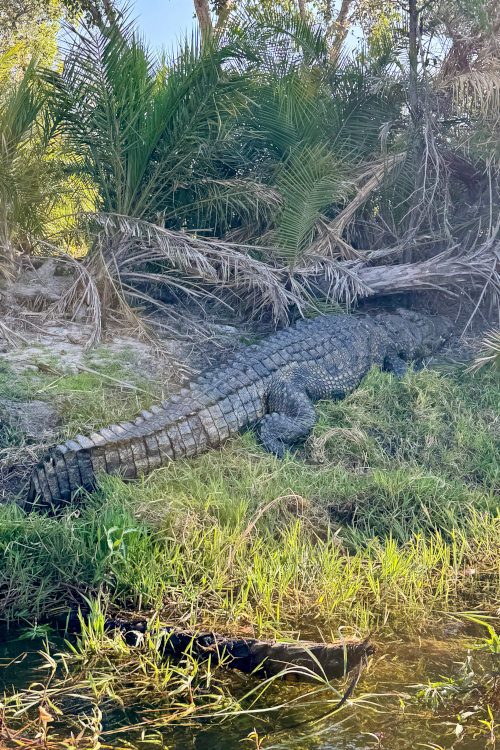
Our day got off to an exciting start at 7am as we set off on a speedboat cruise to reach the fishing spot. The two-hour boat ride was almost worth the trip alone. We crossed from one of the main channels running past Guma Lagoon, through various little papyrus-lined alleys to the next big main channel, where we would spend the rest of the day fishing. The sheer size of the crocodiles, the diversity of the birdlife, the hippos and the adrenaline of sitting in the front of the flat-bottomed aluminium boat had us spellbound.
Where the tiger fish bite
Once we’d set up our rods with the right lures, it soon became a competition between the two boats to see who could catch the most tiger fish. There were plenty of photos to take and I barely had a moment to open the book I had brought along to pass the time. Although there were a few quiet moments, every now and then chaos would erupt as yet another fish was on the line. It meant grabbing the net, landing the fish, unhooking it, holding it for a picture, releasing it back into the water and casting again. This is tiger fishing on the Okavango Delta!
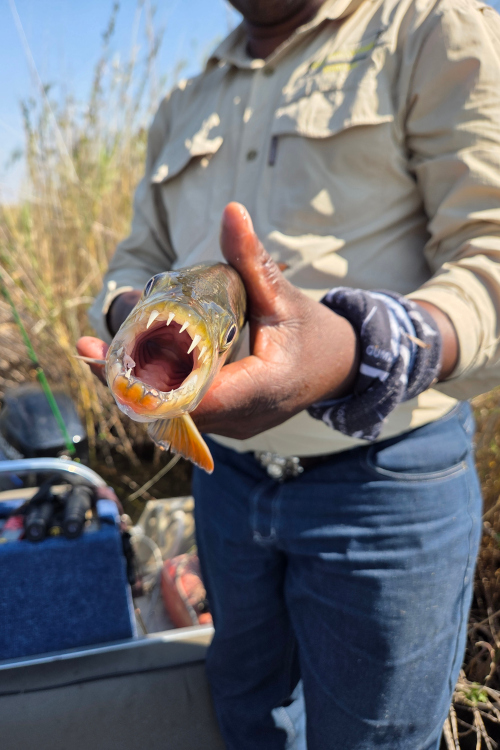
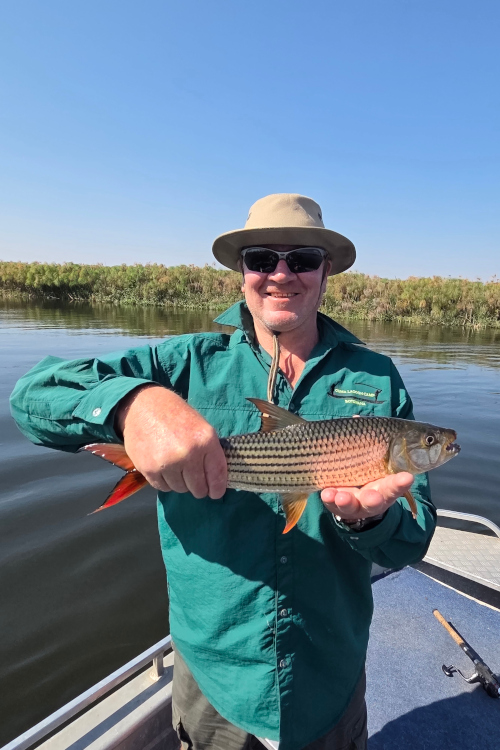
After a full day on the water, we started making our way back slowly to Guma Lagoon, admiring the huge crocodiles and array of birdlife. The knowledge of the guides is incredible. They know the birds off the top of their heads, how fast to go or how close to be when passing a crocodile or a hippo. While I didn’t even know which direction we were going in, they knew exactly which villages we were passing. The guides are experts in fishing and all you have to do is follow their lead.
Time in Paradise
Approaching Guma Lagoon at sunset was special. It was our turn to be the subject matter of various photos as tourists captured the last moments of the day. With smiles as big as lotto winners, we thanked our guides, grabbed our bags and headed to the supper we had booked at Guma Lagoon Lodge. Spaghetti bolognaise never tasted so good! It was time to swap stories as we got to know our guides better, shared a meal and laugh with them, and reminisced about our time in what we call Paradise. This was one of our best journeys to date – make sure it is on your bucket list.
Good to know
- Book activities (mokoro outing, fishing trip, helicopter flight) well in advance.
- Guma Lagoon has a WiFi spot outside reception.
- Take the following with for days on the water: Sunscreen, hat, closed shoes, long-sleeve shirt, warm clothing for early mornings on the boat, lots of drinking water, snacks/lunch
- The Guma Lagoon lodge deck is the place for enjoying sunrise and sunset – you’ll have bird calls and other wildlife sounds as your soundtrack.
Prices at the time of our visit:
- Camping at Guma Lagoon: P200 per person per night
- Boat for tiger fishing: P1,812 for a small boat accommodating 4 people (fuel is additional)
- Mokoro: P1,652 per mokoro accommodating 2 people
- Boat transfer to and from mokoro station: P132 per person
- Concession fees: P150 per person

Dreaming of the Delta? Plan your trip with the latest copy of our Botswana Self-Drive Guide Book. Hot off the press, Edition 3 has been comprehensively revised to bring you trusted, ground-truthed travel information. Find out where to stay, how to get there and what to do. The Botswana Self-Drive Guide features essential information on vehicle prep, border procedures, vet fences and more.

How do I get this
The new Botswana Self-Drive Guide is available through the Tracks4Africa online shop: https://shop.tracks4africa.co.za/