
Comprehensively updated and packed with invaluable planning and travel advice, the new Botswana Self-Drive Guide is essential reading for overlanders. Learn what to expect from edition 3 of this popular guide.
After several months of hard work – and further months of eager anticipation – the moment has arrived. The third edition of our Botswana Self-Drive Guide has landed and we’re excited to share it with travellers.
Like the previous edition, the new guide arms overlanders with all they need to make a trip to Botswana a success. From information on what to see and where to stay to the nitty-gritty of trip planning and vehicle preparation, this guide has you covered. The guide’s editor, Karin Theron, answers questions on what awaits between the covers.
Why get edition 3 of the Botswana Self-Drive Guide?
At Tracks4Africa, our motto is simple: Travel Africa informed. Exploring Africa is very different from travelling in the First World. The challenges are unique, the distances vast and the environments remote – exactly what draws nature lovers and adventurers here. But without proper preparation and information, things can quickly go wrong, sometimes requiring intervention.
Our self-drive guide is designed to equip overlanders with the practical, up-to-date knowledge they need to travel safely and confidently. It’s all about helping them create great memories while navigating this wild and beautiful country.
If you already own the previous edition, you’ll know how invaluable it is – but you will also see that it was published back in 2018. Much has changed since then. If you’re wondering whether the updated edition is worth the purchase, the answer is ‘Yes’. It offers thoroughly revised accommodation listings, updated services, expanded maps and new insights that reflect seven years of on-the-ground change.
What went into producing the guide?
We have kept our tried-and-tested recipe intact, so the overall structure and approach remain familiar. Behind the scenes, however, our research team spent countless hours verifying and updating every accommodation listing. Since the last guide appeared, many lodges and campsites have closed while many new ones have emerged. As a result, this edition includes 119 additional lodges and 14 new campsites compared to the previous version.
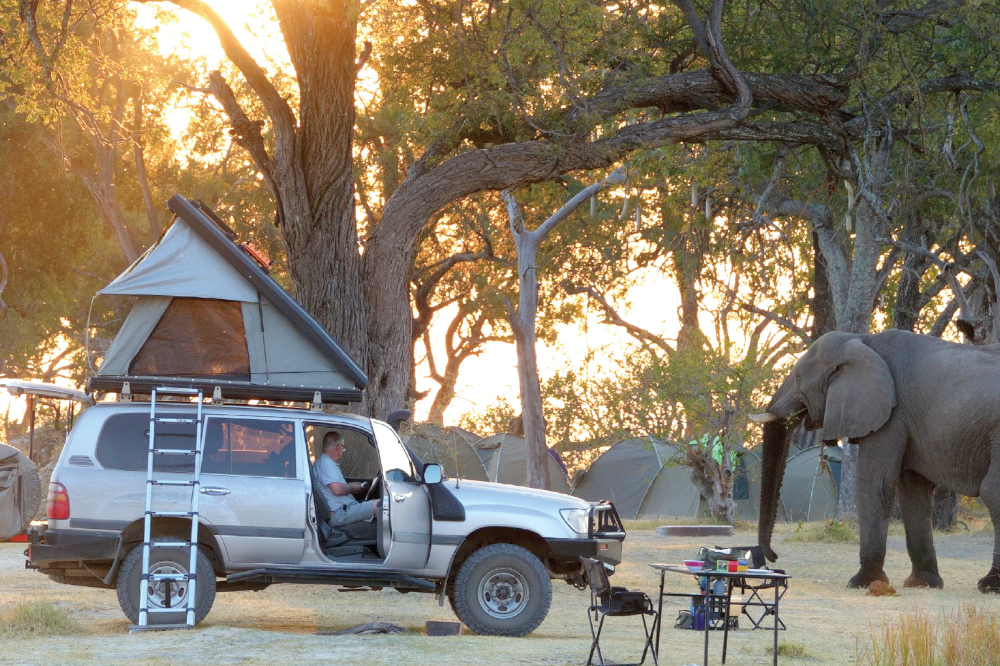
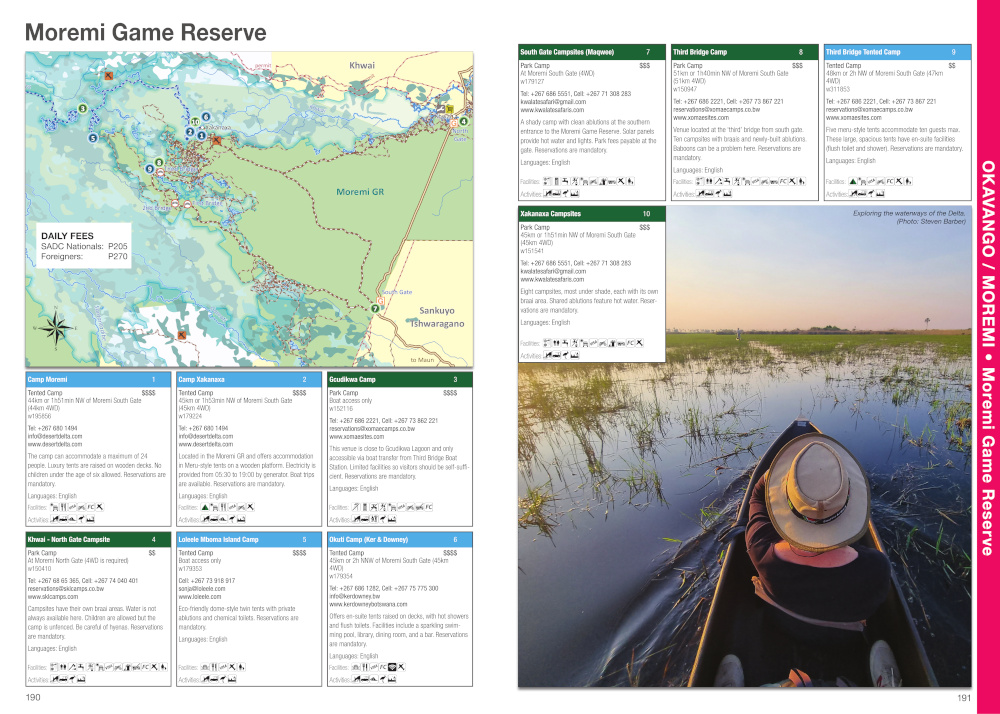
Some of the most significant changes are in Botswana’s top travel regions, including the Savuti area of Chobe National Park, Makgadikgadi Pans, the Khwai Community Area and Moremi Game Reserve. Several towns have also seen noticeable development, particularly Maun, Palapye, Tsabong, Gaborone, Kanye, Jwaneng, Lobatse, Mahalapye and Molepolole. There are now also more lodging and camping options near the Bokspits/Gemsbok Border Post.
Services such as fuel, shopping and mechanics have also evolved, and these updates are reflected on the destination pages. The Atlas map section at the back of the book incorporates all these changes, along with roads travelled by our overlanding community over the past seven years.
And, of course, no guidebook is complete without inspiring photography. This edition features new images contributed by the Tracks4Africa travel community.
What about travel advice – anything specific to note?
Advances in technology have significantly changed the way we navigate and communicate. New devices offer more flexible navigation options, while improved cellular and satellite connectivity – including emerging systems such as Starlink – have transformed communication across Africa.
Overlanders should also pay close attention to the updated chapter on veterinary fences. The foot-and-mouth disease control zones in Botswana have changed substantially, easing travel across much of the country’s central and eastern regions.
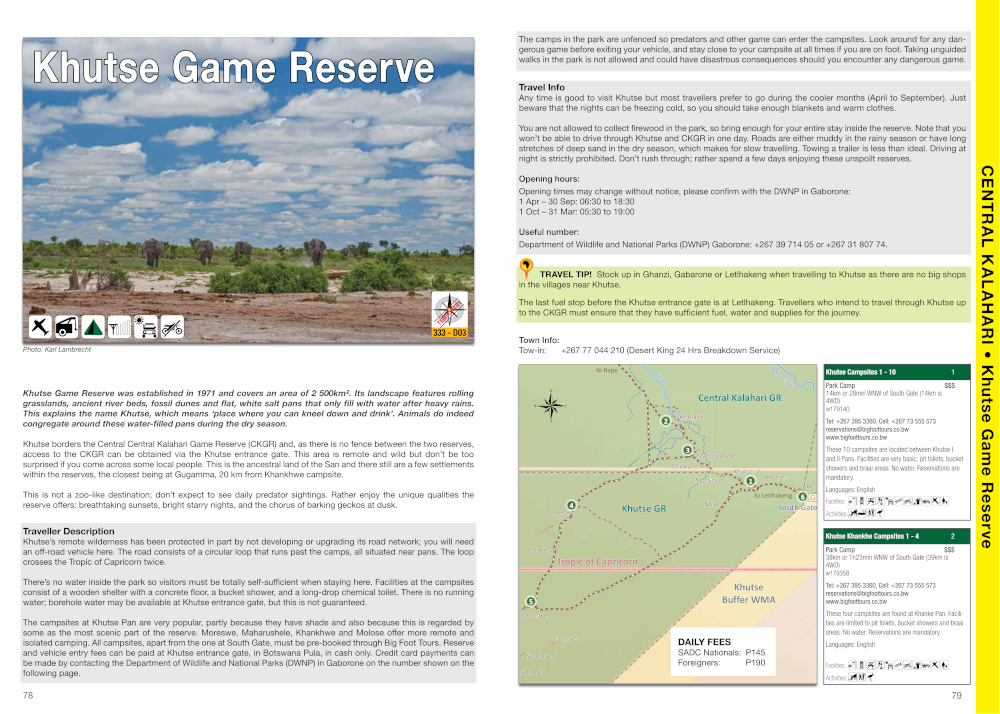
While researching, I realised how often South Africans worry unnecessarily about having to bring fresh vegetables and meat into Botswana. With the exception of travellers entering via the Kgalagadi Transfrontier Park, this is generally not a problem. Botswana has excellent supermarkets – Spar, Choppies, Shoprite, Sefalana, Pick n Pay and Food Lovers Market – that stock high-quality fresh produce. Many butcheries allow you to pre-order meat and have it vacuum-packed, and we have included their contact details in the guide.
It is also worth noting that all rest camps on the South African side of the Kgalagadi Transfrontier Park now offer 24-hour solar power, which makes trip planning a little easier.
Did you make any finds in updating the guide?
One destination that stood out is Nxai Pan National Park, which remains underappreciated despite offering excellent wildlife viewing. During the wet season, the pans host spectacular migrations of zebra, wildebeest and elephants, which draw predators such as lions, cheetahs and hyenas in turn. Not to mention unique species like bat-eared foxes and brown hyenas, and superb birdlife including flamingos and various raptors.
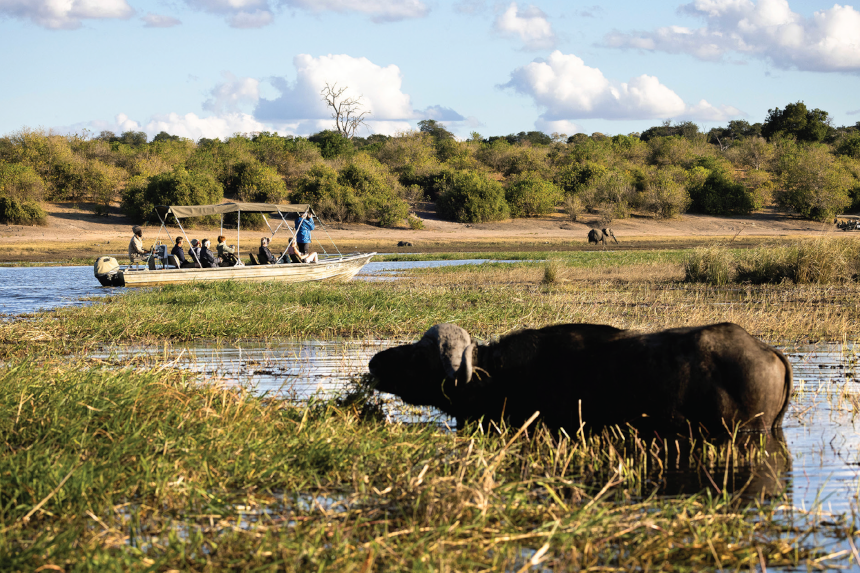
I was also pleasantly surprised by how easy it is to enjoy a wildlife-filled day trip in the Riverfront section of Chobe National Park. Travellers coming from Namibia or Savuti and heading to Kasane can enter at Ngoma Gate and exit at Sedudu Gate. The scenic 4×4 track along the river offers around four hours of outstanding game viewing. The route works just as well in reverse. Those taking a day trip from Kasane or lodges near Muchenje can use the A33 transit tar road for a quick, toll-free return.
Having worked on the guide, has it inspired you to visit Botswana again?
Definitely, updating the guide has only deepened my desire to return. I’m especially keen to spend more time in the Khwai area, explore the Linyanti region and venture deeper into the Makgadikgadi Pans. With so many new camping options now available, there’s more reason than ever to linger and enjoy Botswana. I want to have a close encounter with the elephants at Elephant Sands Lodge near Nata, take a mokoro trip on the Linyanti River and wild camp on Kukonje Island in Sua Pan.
Buy edition 3 of the Botswana Self-Drive Guide now.
