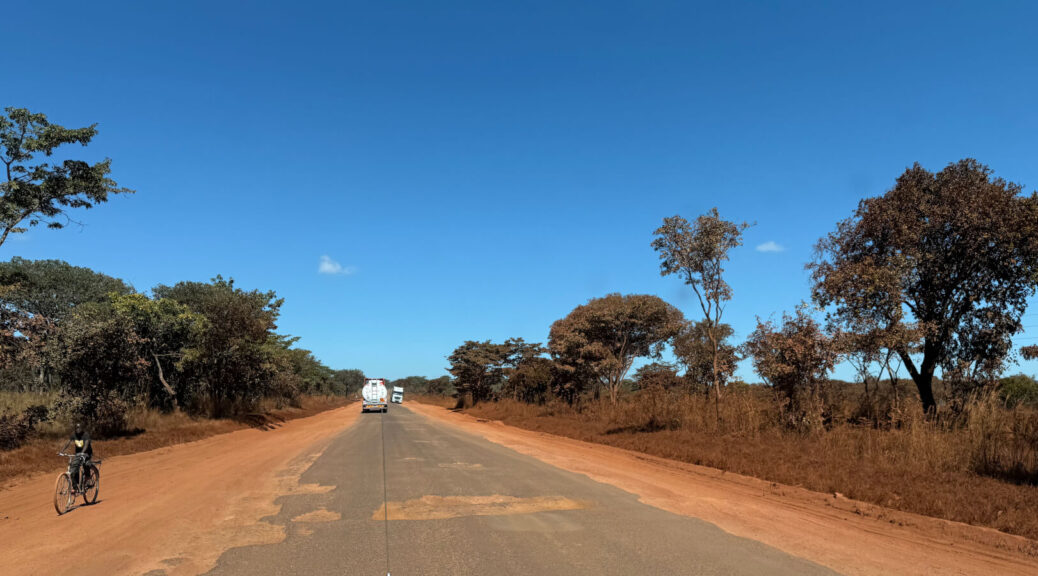
Running from Lusaka to the Tanzanian border, Zambia’s Great North Road is notoriously tough on travellers. After travelling this road multiple times in recent years, Jan-Harm du Plessis of Jewel4Travel shares his perspective.
If any part of Zambia deserves more visitors, it is the north. Its hidden treasures include Kasanka National Park and its annual bat migration; Bangweulu Wetlands, home to endangered shoebills; Kapishya Hot Spring and its striking warm blue pools; and the many waterfalls of the Northern Waterfall Circuit. There are also Lake Tanganyika and the North Luangwa Valley, not to mention the Tanzanian border, which connects Southern Africa with the riches of East Africa. What do these destinations have in common? Reaching them usually means travelling on the infamous T2 highway, also known as the Great North Road.
What to expect from the Great North Road
The T2 highway is the main corridor through the Copperbelt and a vital link between Southern, Eastern and Central Africa. The region is rich in minerals and mining is booming. Northern Zambia is also a major farming area and the country’s leading producer of maize, beans and groundnuts. All these resources need to be transported, which is where the trucks come in.
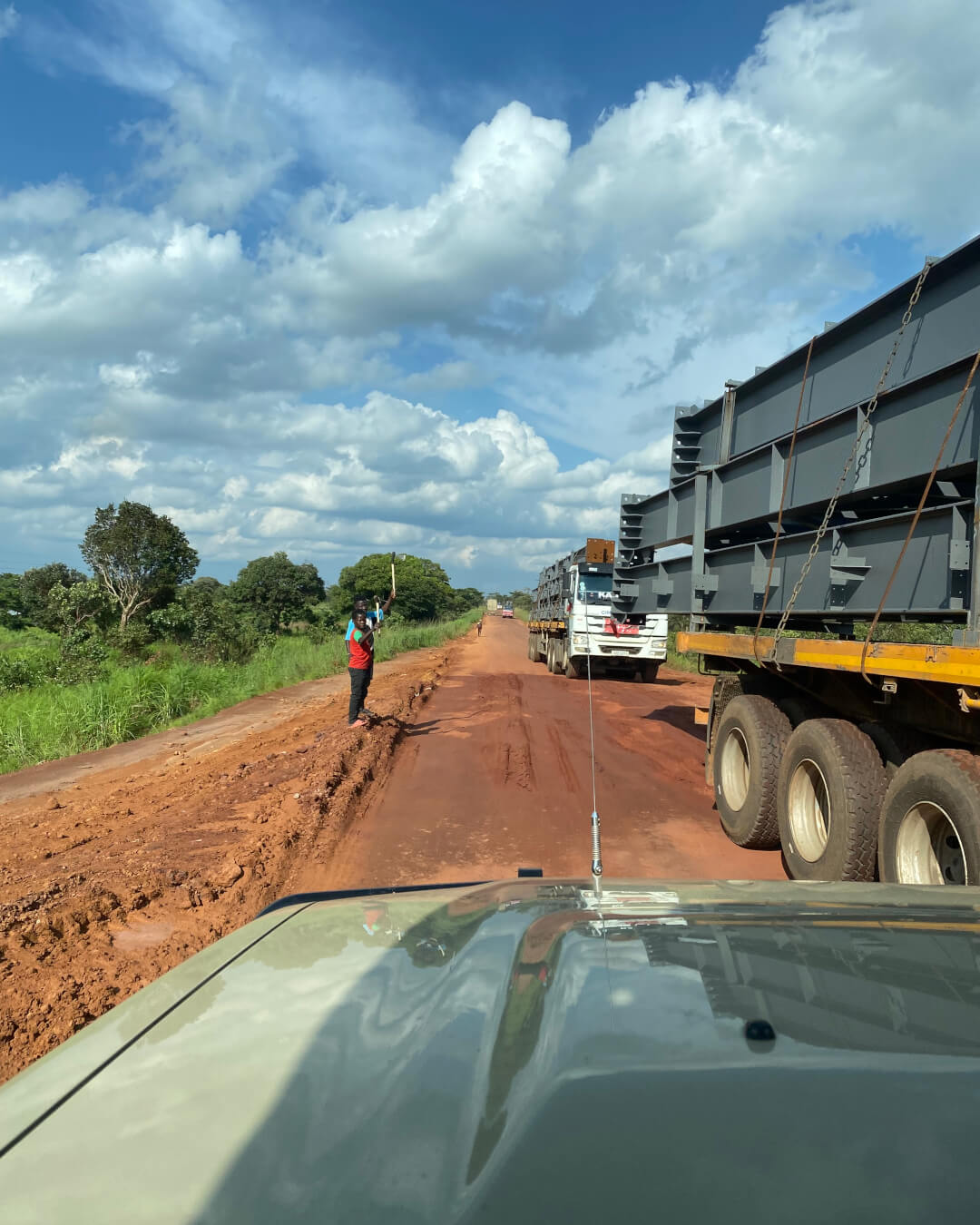
Three words describe the Great North Road: trucks, trucks and more trucks. Although these “steel trains” support the economy, they are hard on both the road and other users. For overlanders, the T2 is rarely enjoyable, so it is worth limiting your time on it where possible. Because the road begins in busy Lusaka, you cannot avoid it entirely, although alternative routes are available depending on your destination. Living in western Tanzania and travelling south regularly, we have driven both the Great North Road and its alternatives several times. One warning: expect at least two long days behind the wheel, as destinations and accommodation options are few and far between.
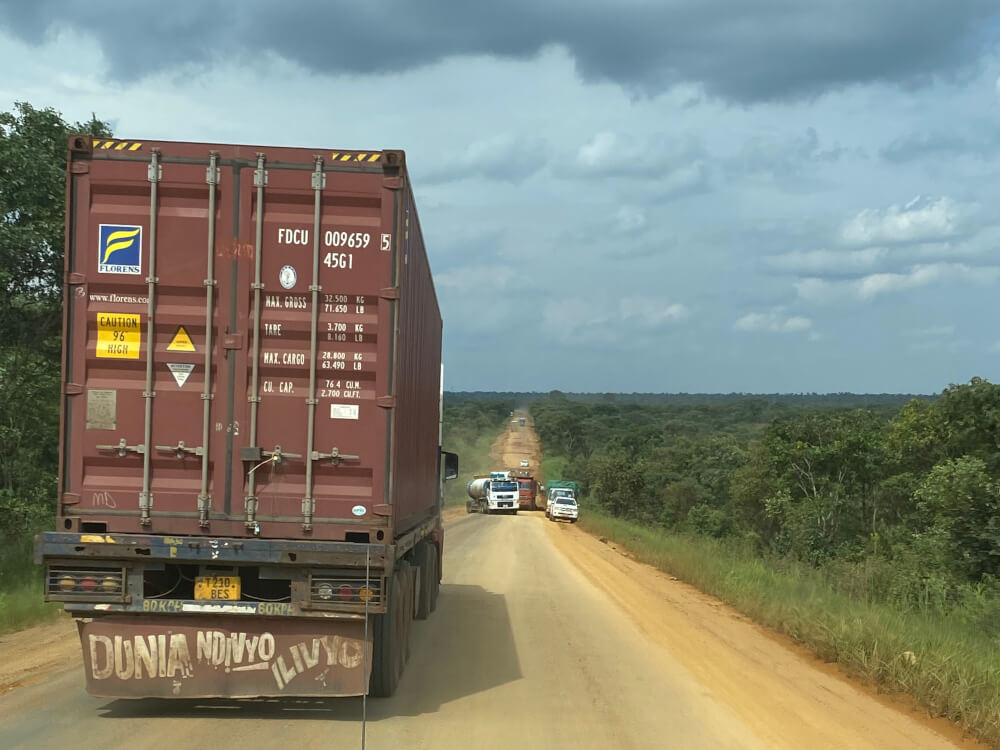
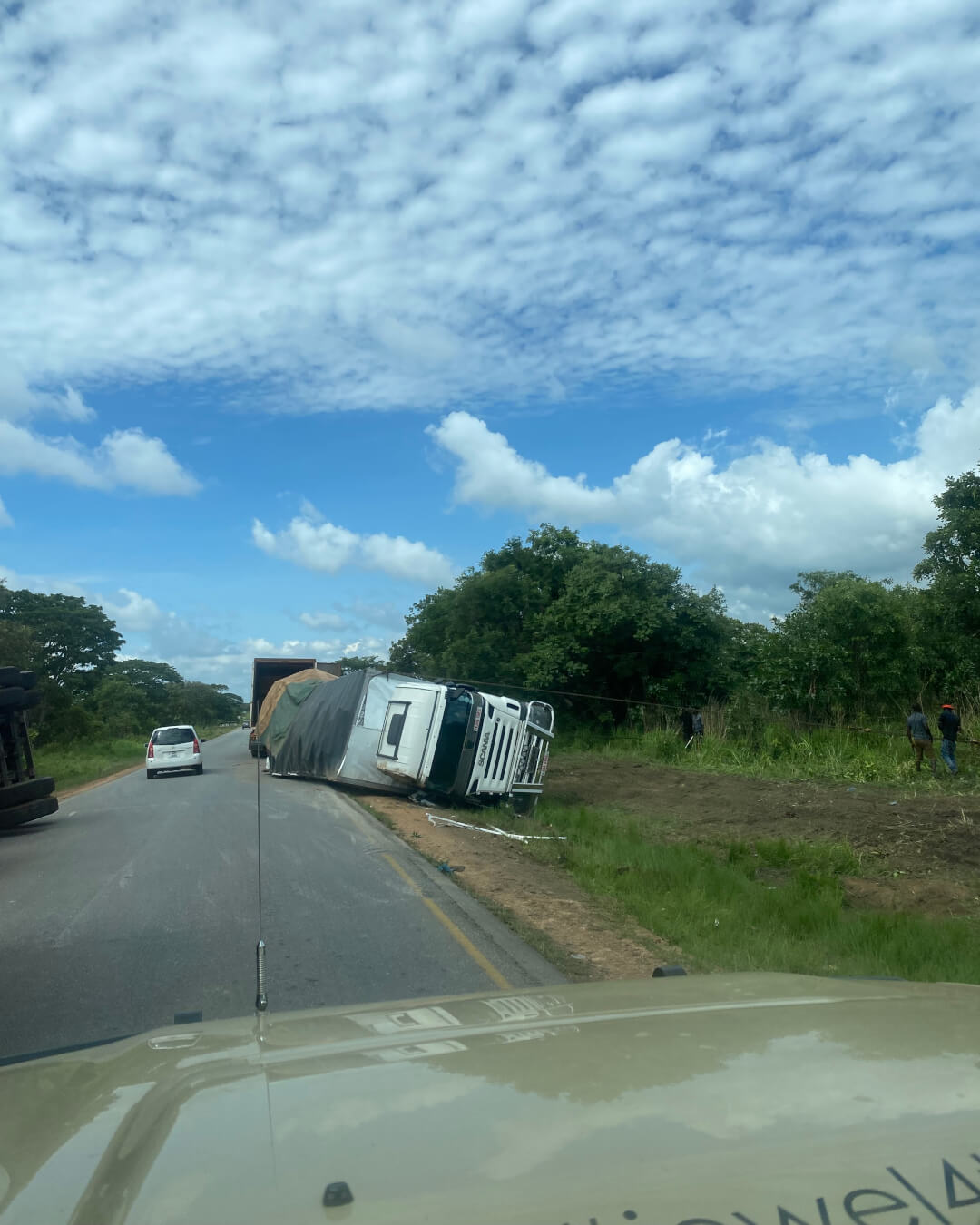
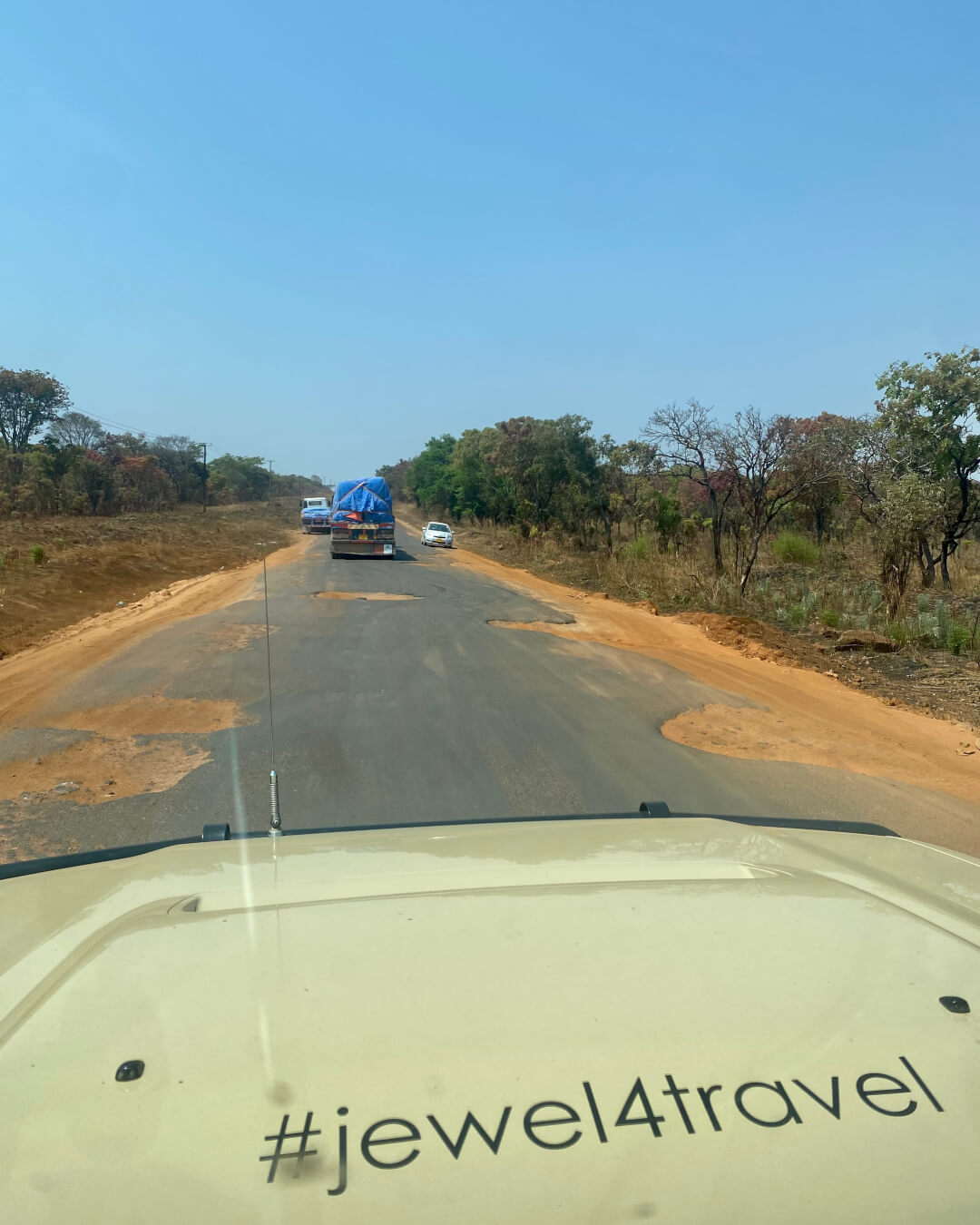
North of Lusaka, the T2 branches northeast at Kapiri Mposhi. When we last passed through in July 2026, a bypass linking to the T3 towards Ndola was under construction. The area was chaotic but reasonably well signposted. This is where the ‘fun’ begins.
Travelling the T2 to Kasanka and Bangweulu
The turn-off to Kasanka National Park, on the D235 at Mukando village, is about 240km from Kapiri Mposhi. Kasanka is close to the junction, but reaching it from Lusaka in one day is unlikely. Although the distance is manageable, the driving is slow and tiring, so we strongly recommend splitting the journey over two days.
Our two favourite campsites on this stretch are Forest One Lodge and Tembusha Forest Camp, both near Mkushi. Forest One, formerly Fika Lodge, was renamed when new management took over on 1 June 2026. It has a pleasant campsite, with grassy stands and lots of shade trees, as well as hot showers. At the lovely restaurant you can get your fix of coffee and Wi-Fi. Forest One Lodge’s only drawback is road noise, although we have always been too tired to mind.
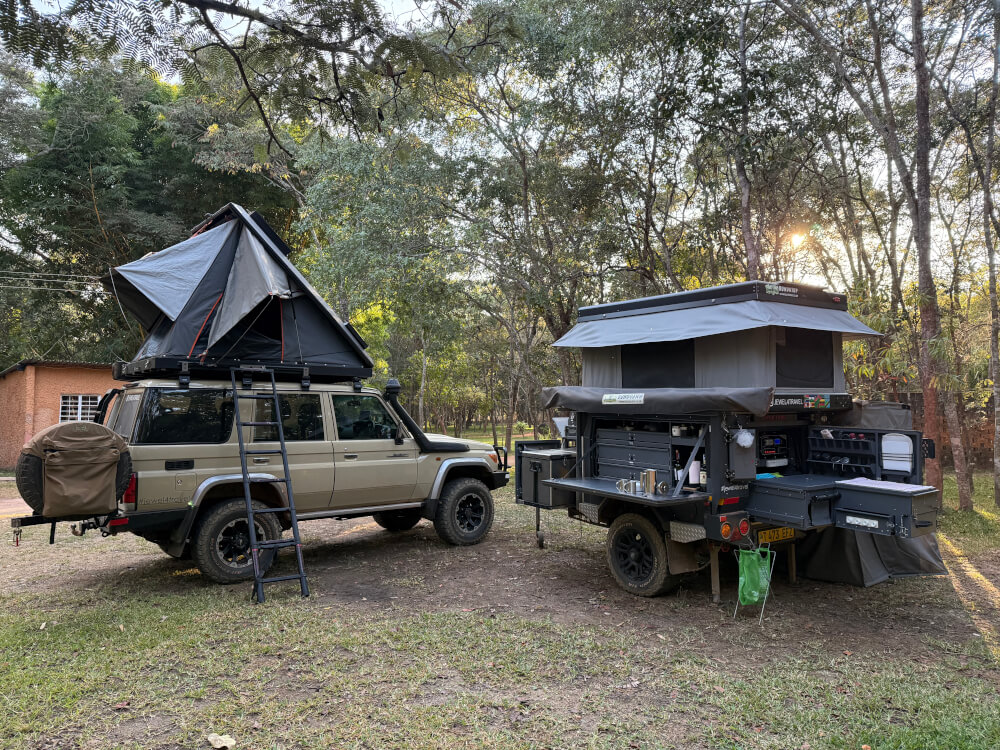
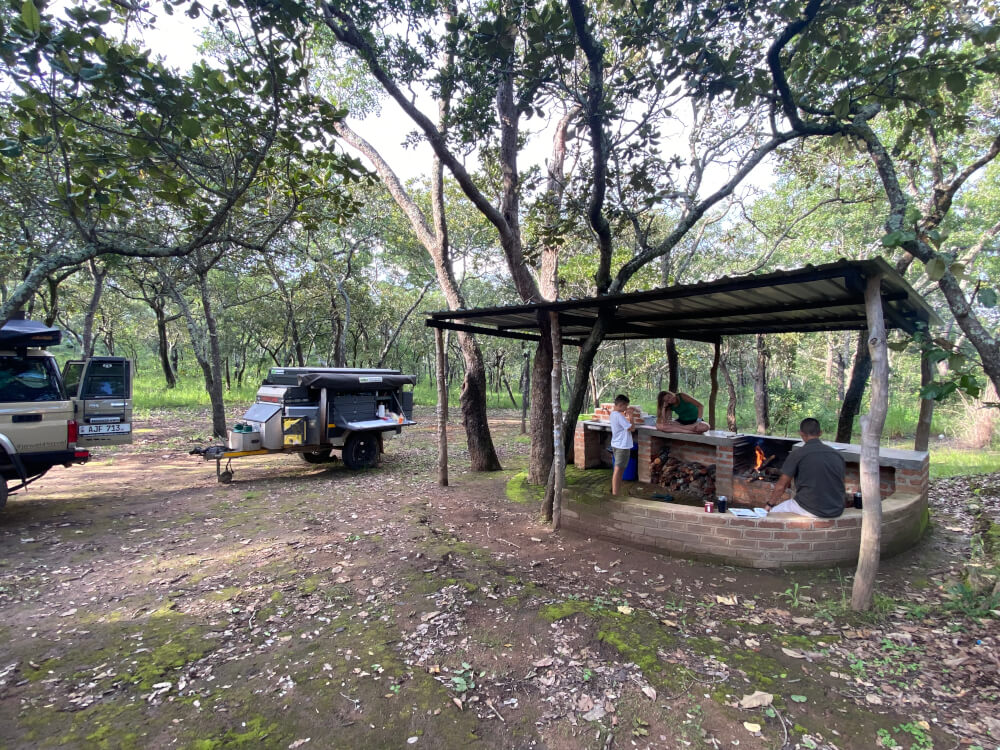
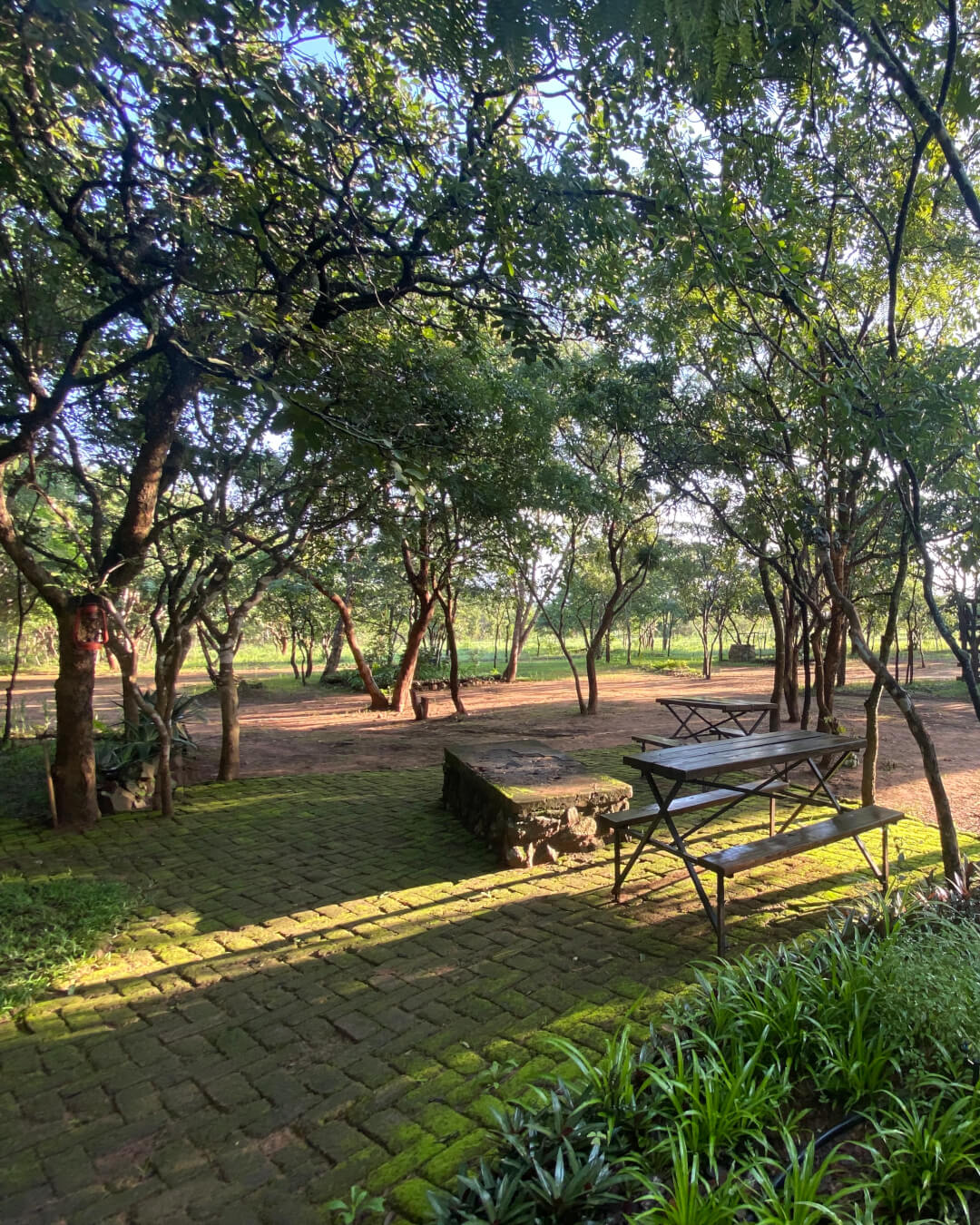
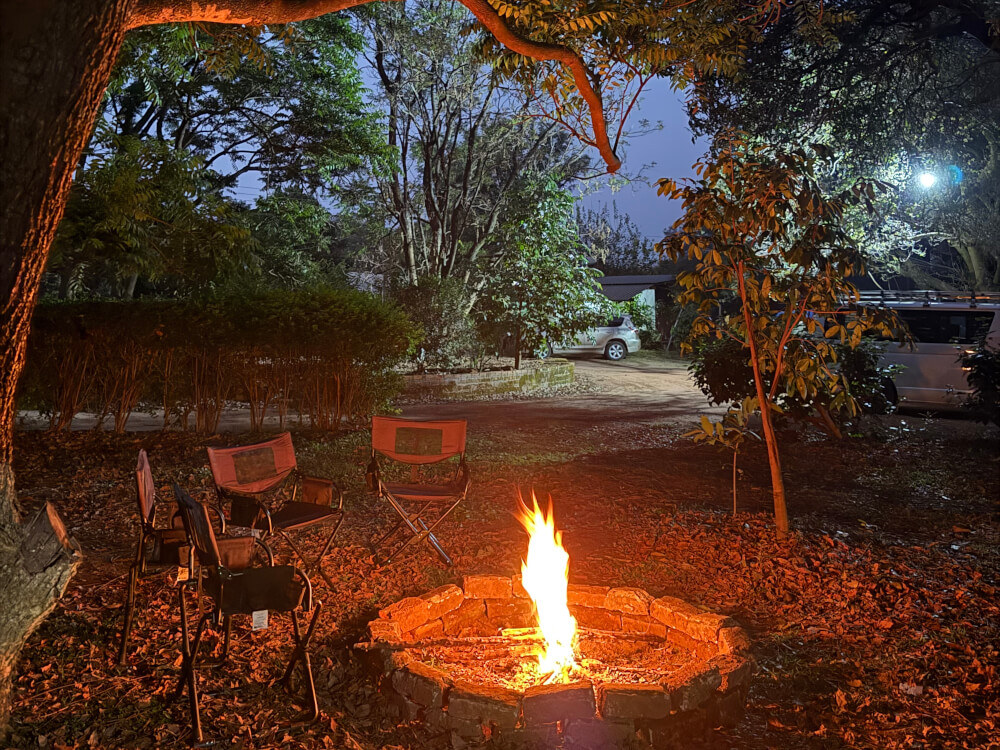
Tembusha Forest Camp lies about 15km from the main road on a private farm – a peaceful and relaxing spot after the hectic highway. They know exactly what overlanders need, so there’s a covered kitchen area with braai and built-in seating. You can gather around the picnic table for meals or the fire pit for campfire stories. Each site also has private ablutions, as well as an open-air shower. It is easy to stay longer at Tembusha than planned.
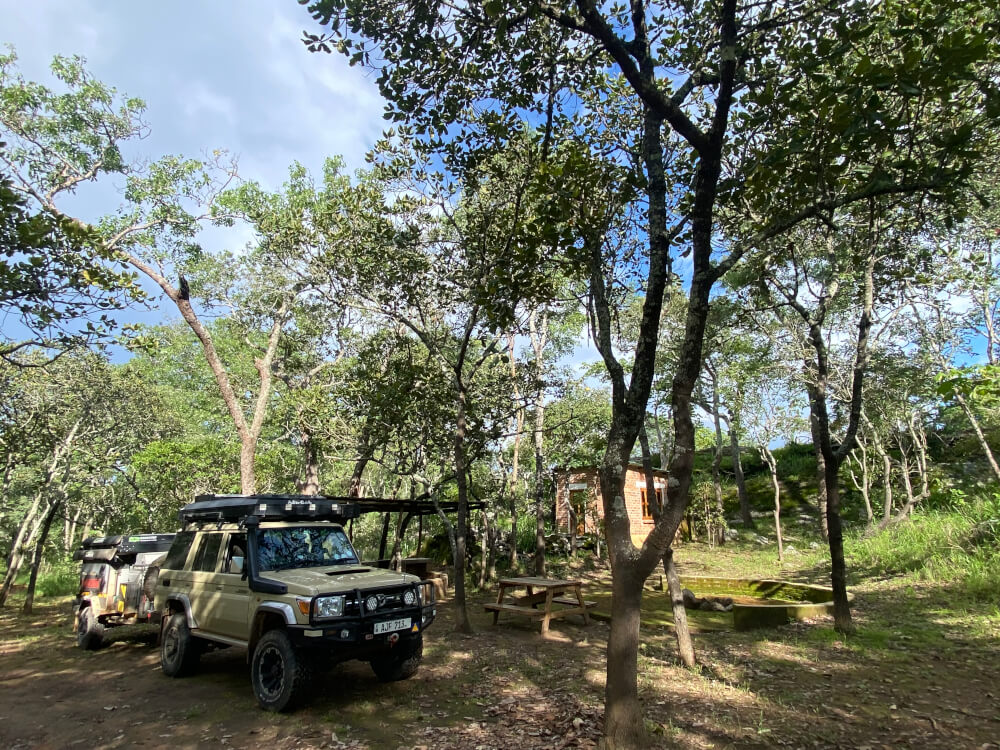
To reach the Bangweulu Wetlands, you have two options. If you are linking Bangweulu with Kasanka National Park, use the D235 north and turn right towards the David Livingstone Memorial, roughly 10km from the Kasanka gate. Otherwise, continue north on the T2 and use the turn-off to Lavushi Manda National Park via the D41, approximately 70km south of Mpika. The Bangweulu entrance gate and headquarters lie near Chiundaponde village and, on both routes, you can opt for a detour to Lake Wakawaka.
Travelling the T2 to Kapishya
One of northern Zambia’s most popular destinations is the spectacular Kapishya Hot Spring. To reach it, continue on the T2 and turn north onto the M1 at Mpika. At the time of writing, the stretch between Serenje and Mpika was the worst section of the Great North Road. Do not attempt to drive from Lusaka to Kapishya in one day, even if the distance of around 750km makes it seem doable. For long stretches, the tar narrows to a single central strip, unofficially but firmly claimed by trucks and buses. Rather spend the night at one of the two campsites mentioned above before tackling this section.
Instead of approaching Kapishya through Shiwa Ng’andu Nature Reserve from the east, leave the Great North Road at Mpika. The M1 north towards Kasama feels like heaven by comparison. Despite the occasional large pothole, you will be glad to leave the T2. The final 44km of dirt road to Kapishya takes about 1.5 hours, but the destination is worth the slow drive. Set along the Mansha River, the location is lush and beautiful. The camping facilities are basic, yet a soak in the hot springs soon makes you forget their shortcomings.
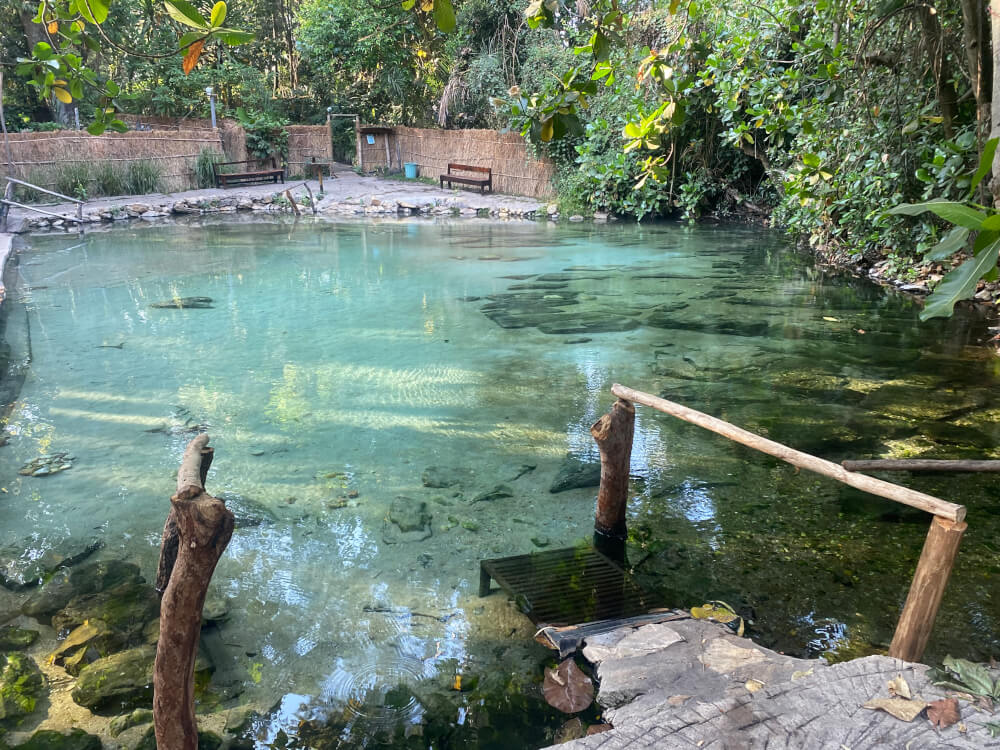
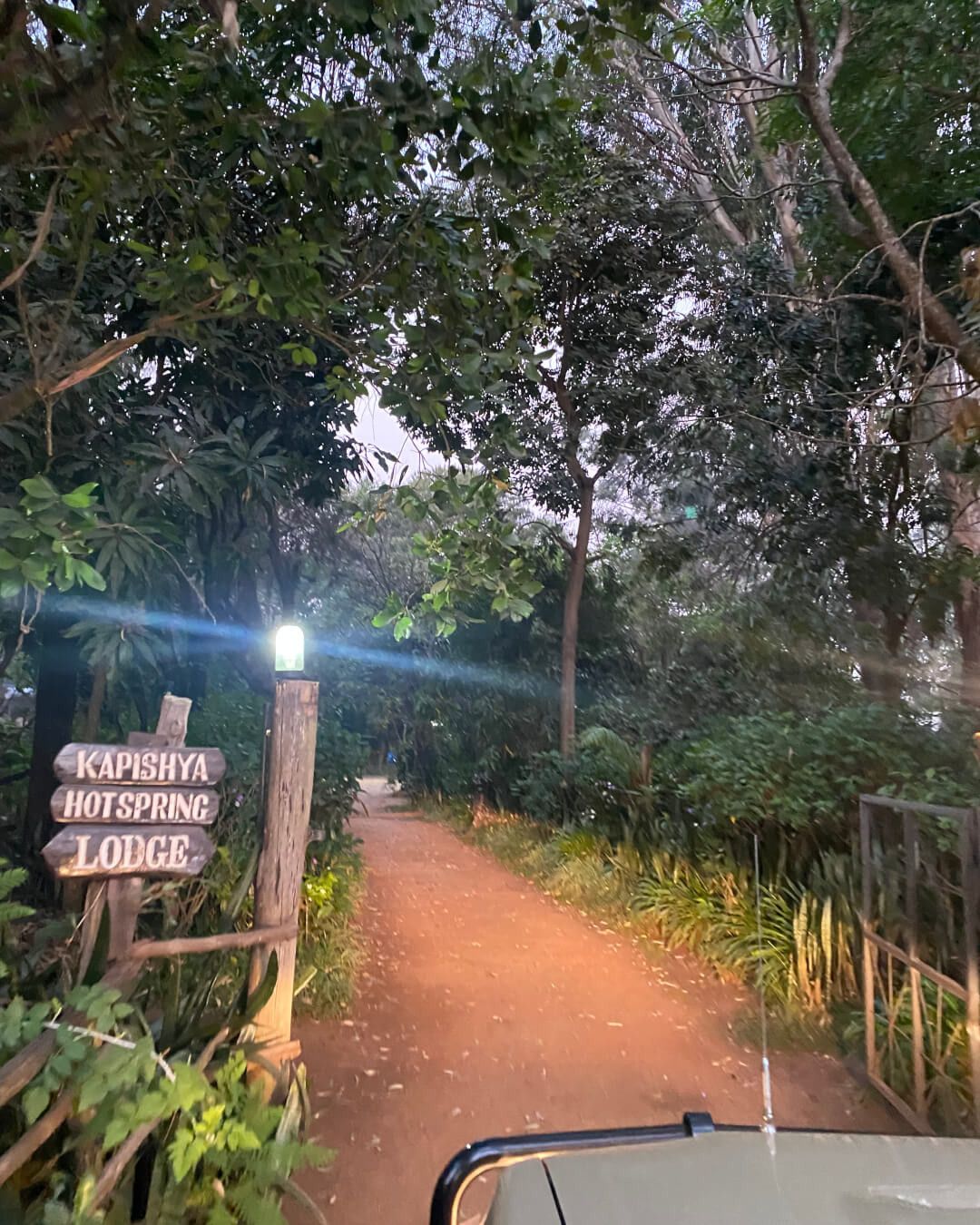
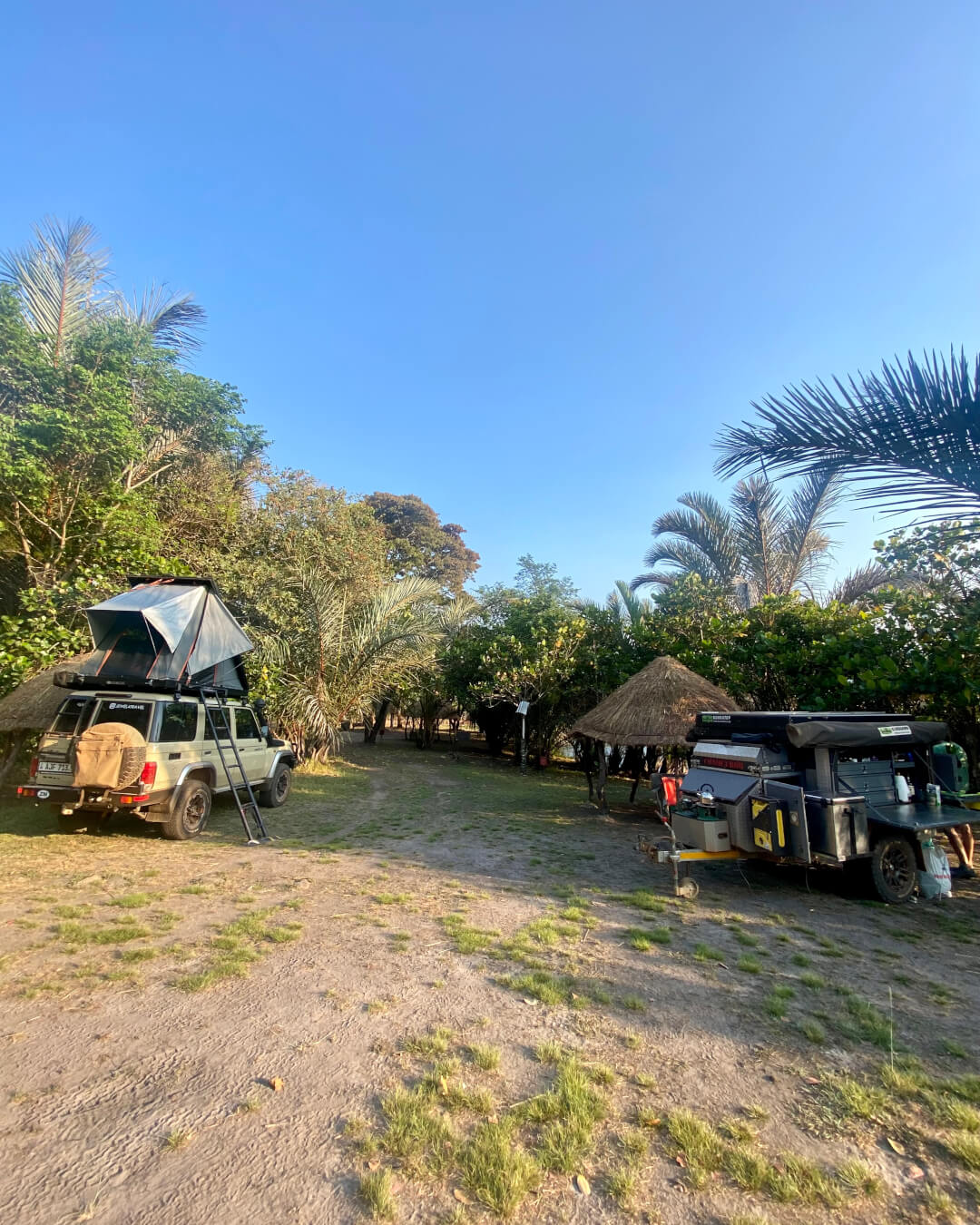
From Kapishya, you are well placed to do the Waterfall Route
Along the T2 to the border
If you are brave enough to follow the T2 all the way to the Nakonde/Tunduma border post, carry enough cash for tolls because there are no large towns beyond Mpika. The drive from Mpika to Nakonde is long, slow and exhausting, and it will thoroughly test your truck-overtaking skills. Get a good night’s sleep before tackling the border formalities. Kalungu Kings Highway Rest Camp is an excellent overnight stop near Kalungu, roughly halfway between Isoka and Nakonde. We found the owner and staff so welcoming and helpful. Kings Highway offers everything you could need – and more. The attractive ablutions are neat, the communal kitchen spacious and firewood free to use. If you have time to explore, you may well want to stay longer.
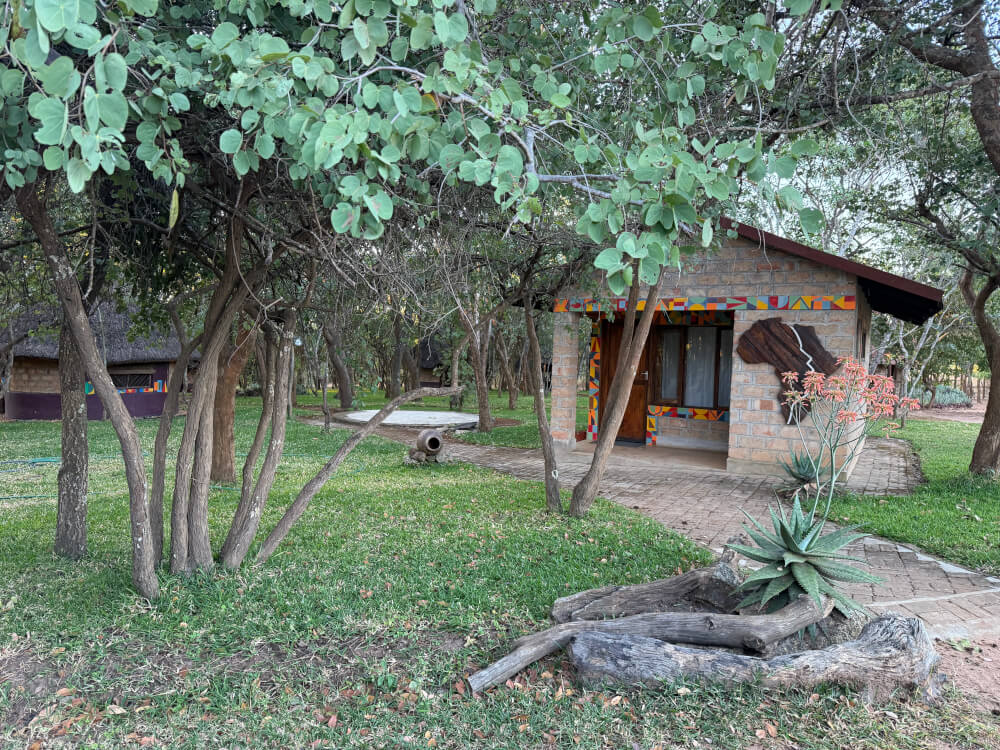
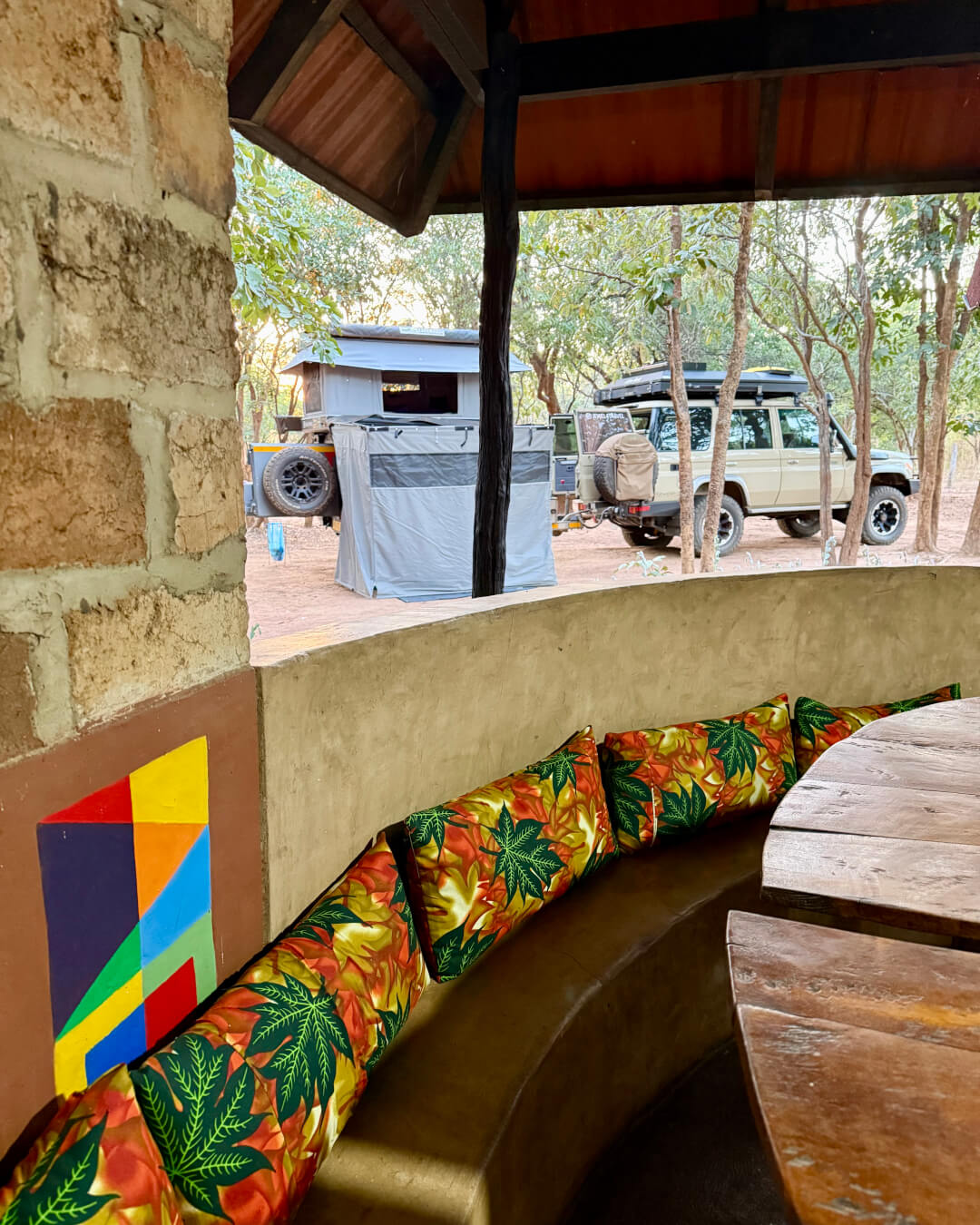
A better crossing into Tanzania
Although Nakonde/Tunduma is the main border post on the T2, there is also the smaller Zombe/Kasesya crossing near Mbala. We strongly recommend the latter, even if you are heading east towards Mbeya, Iringa, Morogoro or Dar-es-Salaam, although it requires a significant detour back to Mbeya. Imagine the most trucks you have ever seen at a border post, then multiply that by 100 – that is Nakonde. By contrast, Zombe is quieter and more scenic, lying near Lake Tanganyika and serving as our gateway to western Tanzania.
To reach it, follow the M1 north to Kasama. This large town has two Shoprite supermarkets and is probably your last opportunity to stock up properly, especially on fresh meat, before crossing into Tanzania. Luke, a local coffee farmer, runs a campsite from his property called Golf House. With power, showers and secure parking, it is an ideal stopover while shopping in Kasama.
The drive from Kasama to Mbala is peaceful, with little local traffic and rewarding views of Lake Tanganyika. Visit Mpulungu on the lakeshore or nearby Kalambo Falls to drink in the scenery. The Zombe border post is about 25km from Mbala. Despite the typically slow, uninspired service from officials, it offers a far better experience than busy Nakonde.
Last thoughts on the road
Our relationship with the Great North Road is as broken as its surface. Yet we keep returning to it – or at least parts of it – because alternatives are limited and, perhaps, because it adds to the adventure. It is a love-hate relationship we accept for the sake of travelling where few people dare to go. The road also changes constantly as upgrades and maintenance continue. Reviews and planning help, but sometimes the best approach is simply to get on the road, keep left and embrace the challenge. As we always say: “You can plan as much as you want for Africa, but she will find a way to test you!”
About the overlanders
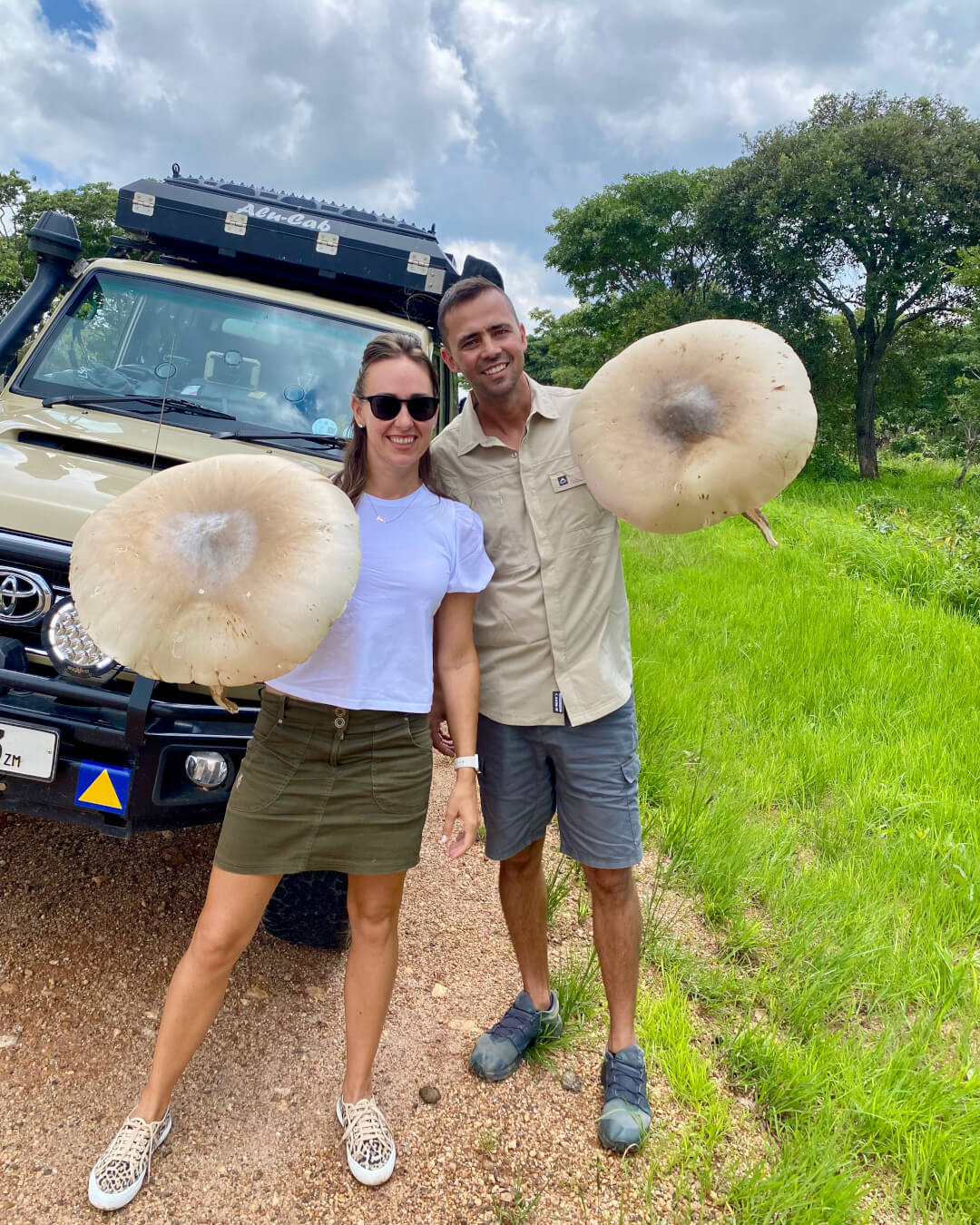
Jewel4Travel is the overlanding name of the Du Plessis family: Jan-Harm (J), Eben-Wallace (EW), Elsie (E) and Luciele (L) i.e. JEWEL. Currently living in Tanzania and previously based in Zambia, they love exploring wild places. Follow @jewel4travel on Instagram for their updates on places, roads and what they experience.
