After a journey of more than 5,000km, Tanzania’s Ruaha National Park stands out as a highlight for Adam and Jill Schulman. They explain why you shouldn’t miss the chance for bush camping in this vast and untamed place.
Taking part in the 2026 Africa Rally was the realisation of a long treasured dream for Adam and Jill. Their three-week trip took them through five countries and they racked up incredible experiences, from witnessing the raw power of Victoria Falls to seeing wild dogs in South Luangwa. But they agree that their nights spent camping wild in Ruaha National Park, Tanzania’s second largest, rank among their top memories.
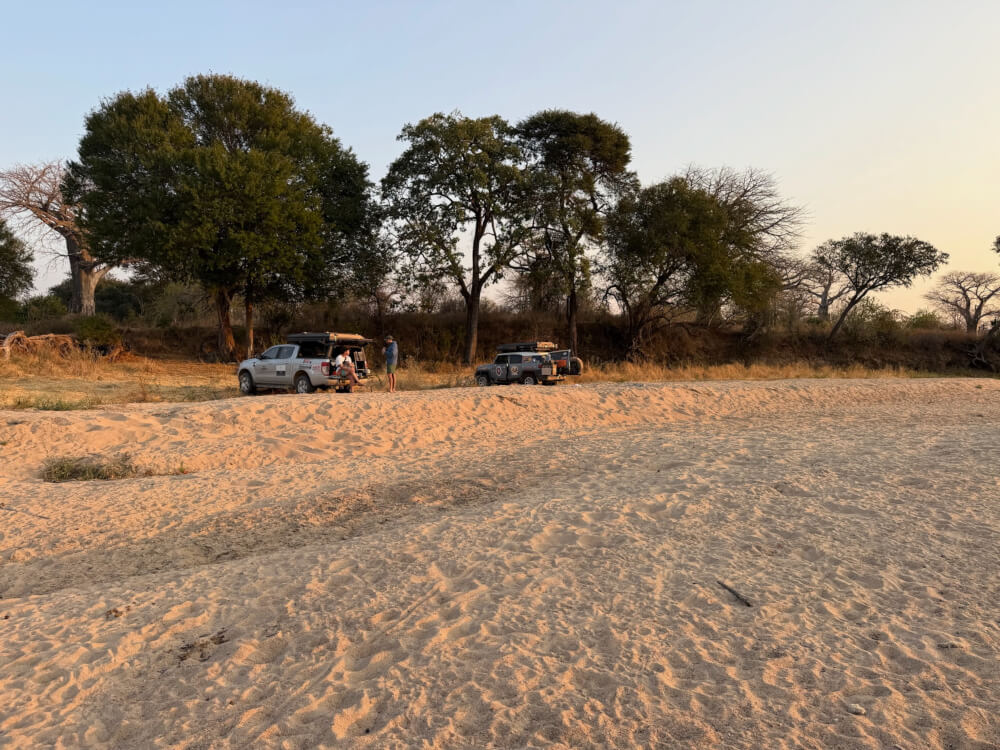
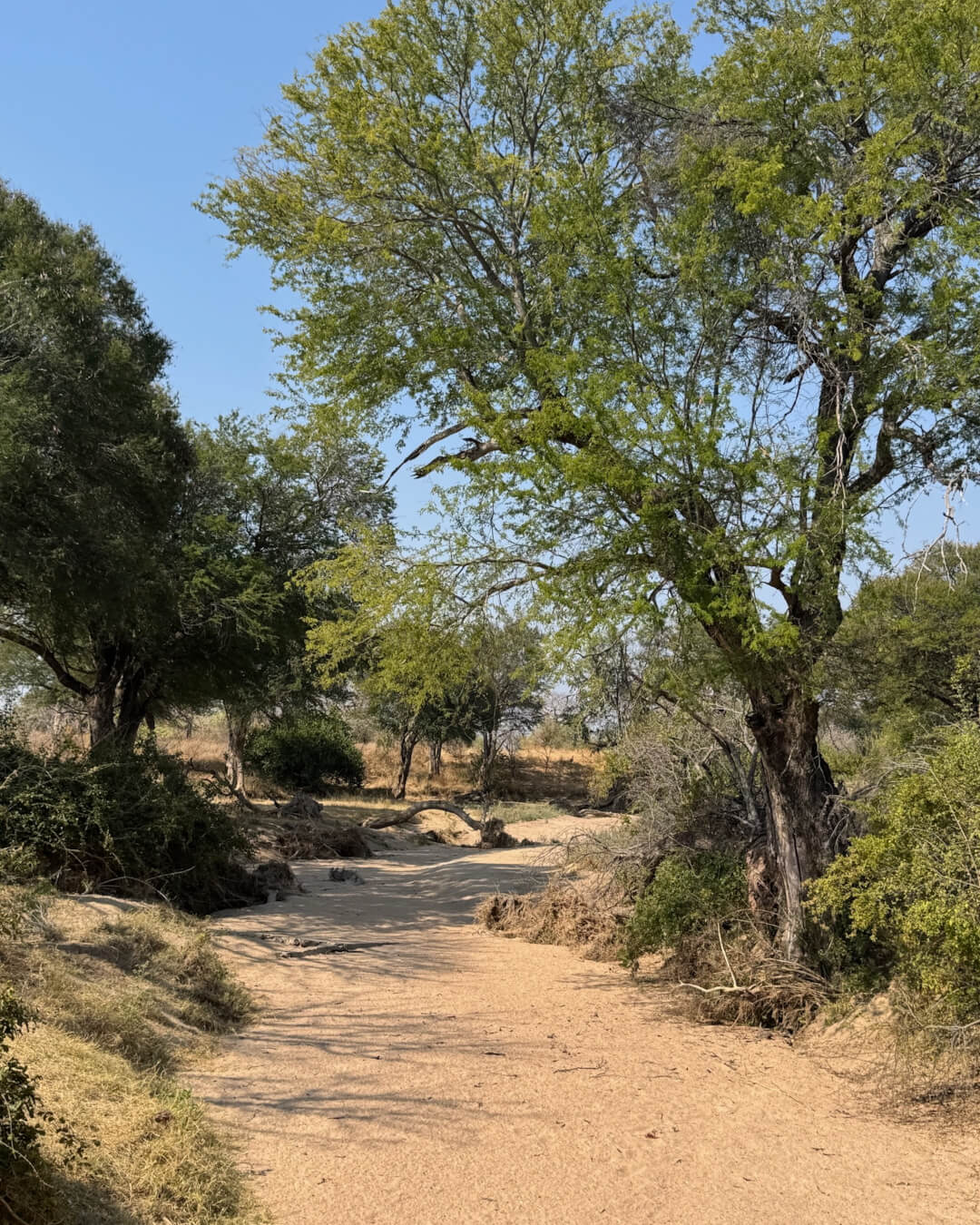
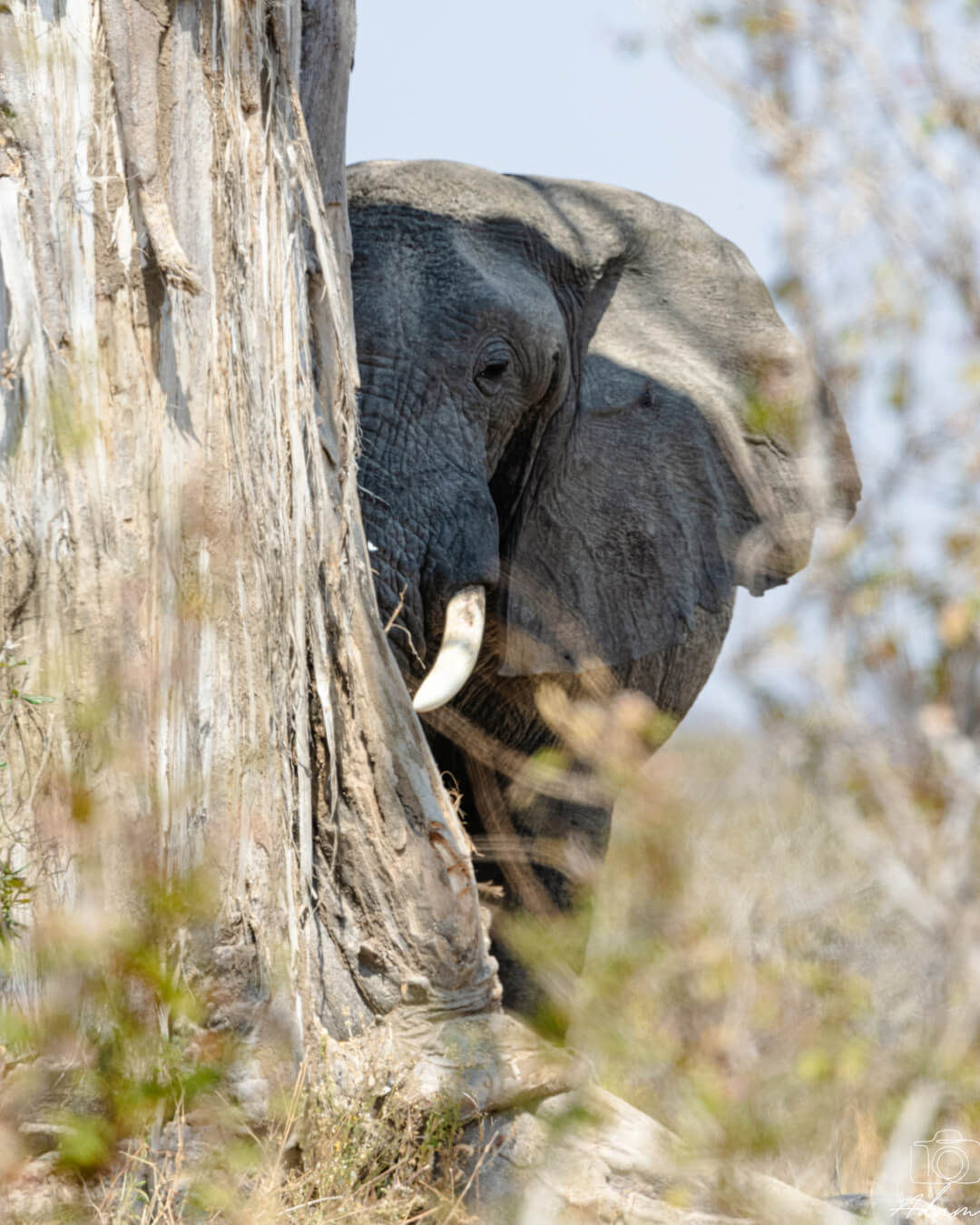
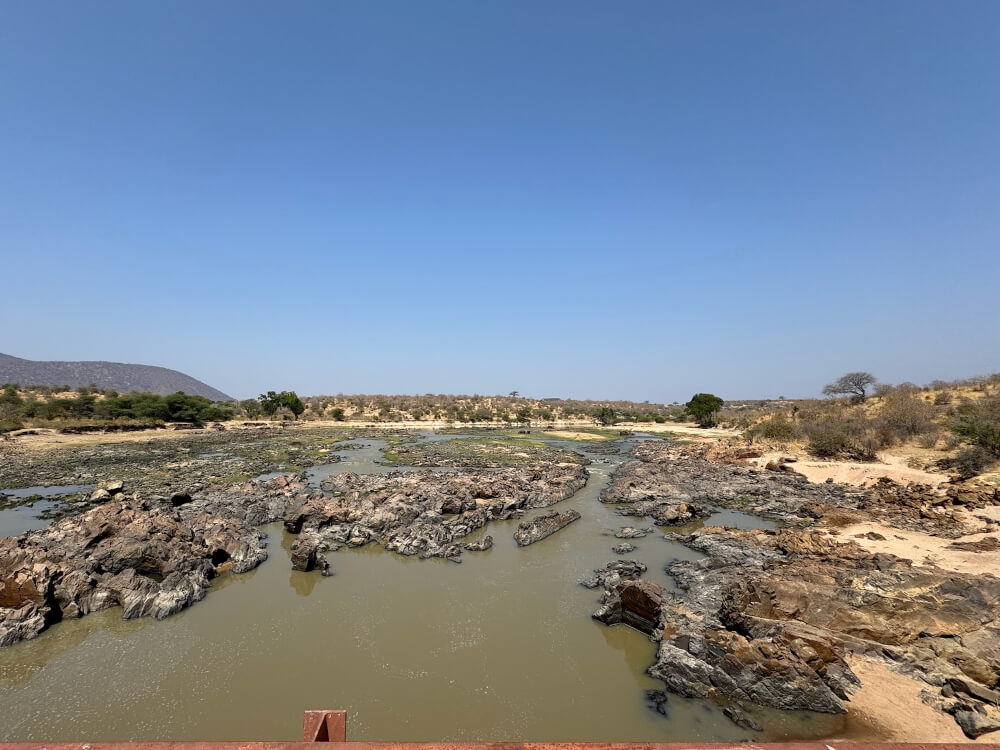
Think of Tanzania and you probably think of the world-famous Serengeti National Park. “But it was the season when everybody’s travelling, so we knew the Serengeti would be jam-packed with people. And we wanted to go somewhere off the beaten path,” say Adam and Jill. Their research showed that Ruaha is off the regular tourist track, plus it fitted well into their route from northern Malawi. What also caught their attention was that the park permits wilderness camping at designated sites. The park’s special campsites are properly wild, really just indications on the map – there’s no water, no power, no infrastructure. Best of all, there are no other people.
The road to Ruaha
After crossing from Malawi, the couple made their way to Mbeya. Here they could pick up the Tanzam Highway, which leads directly to Iringa, the biggest town near Ruaha National Park. But they wanted to avoid the highway wherever possible. Although the road surface is good, the volume of trucks makes it a hair-raising experience. “We deliberately took a back road from Igawa to north of Mafinga and it was magnificent,” says Adam. The route led deep into the countryside, with very little traffic, just rustic villages scattered around.
“Coming up a hill and turning a corner, we came upon an open area dominated by a huge convent in pristine condition. It seemed so out of place there, out in the middle of nowhere.” For Adam and Jill, it was a reminder of why they opted for the road less travelled.
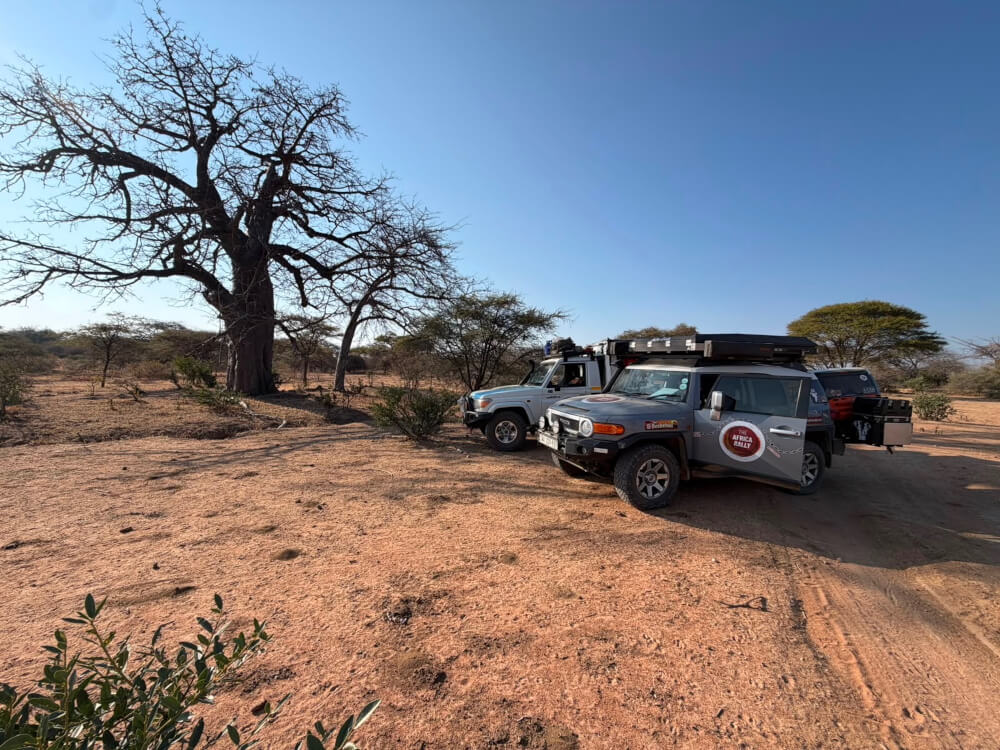
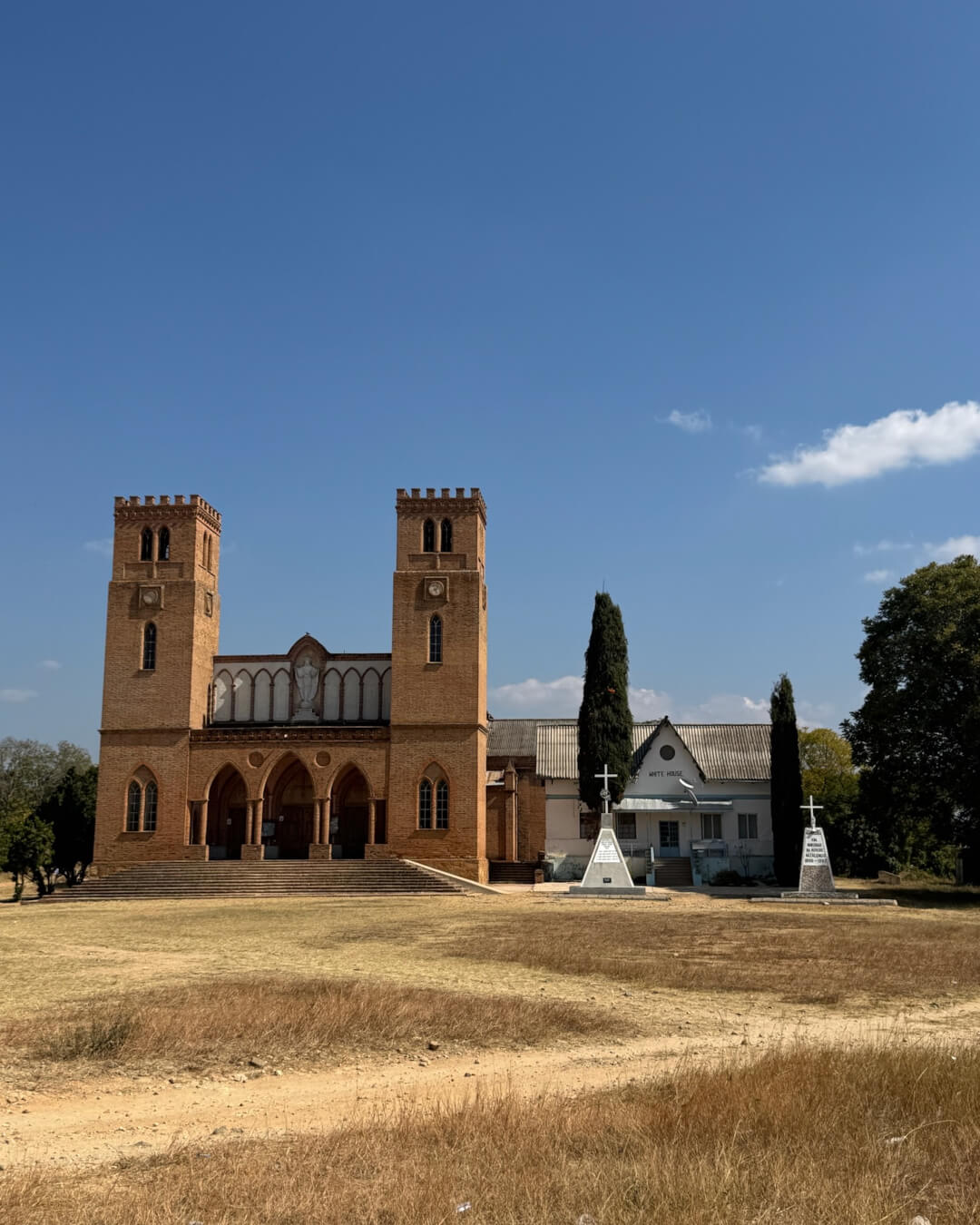
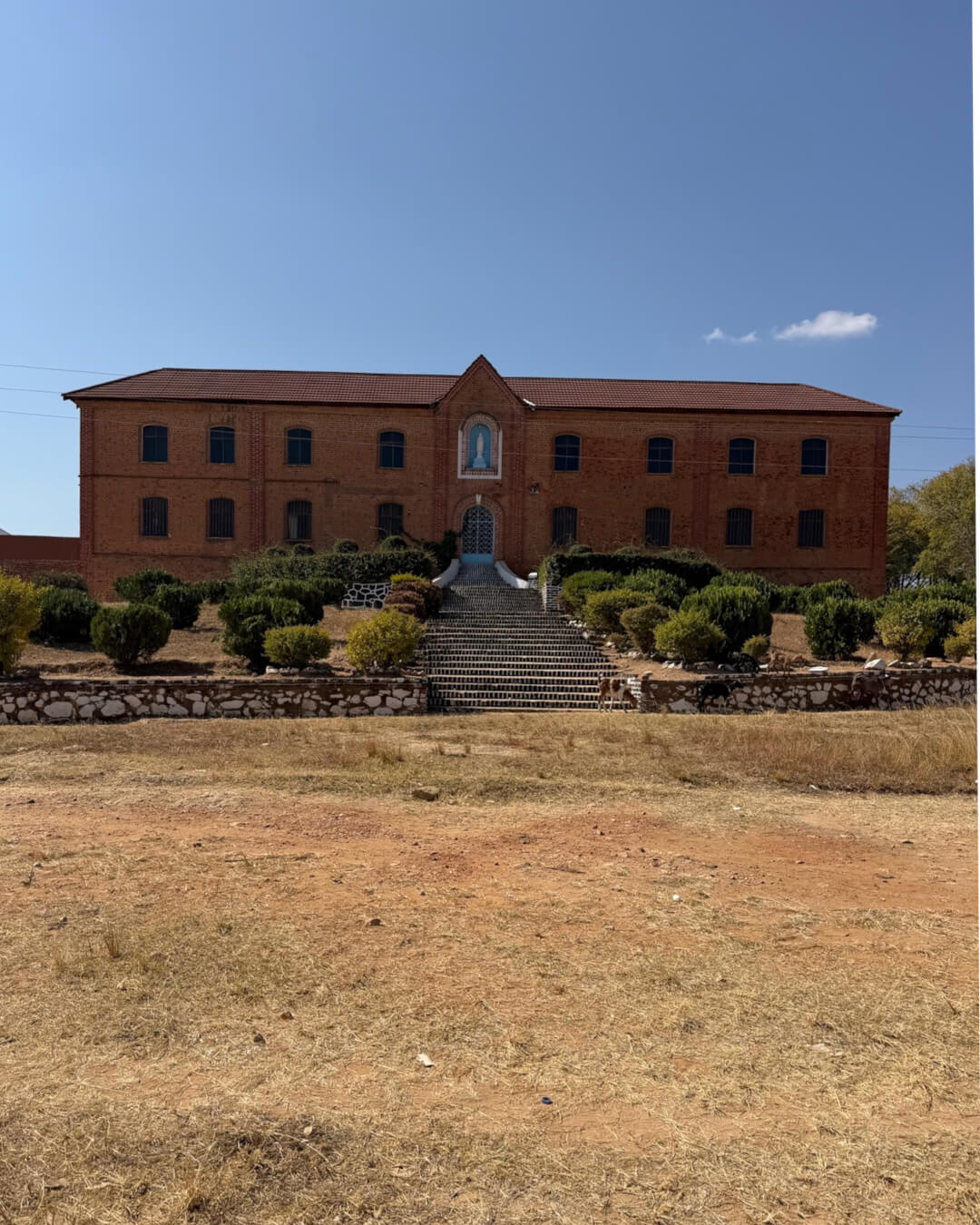
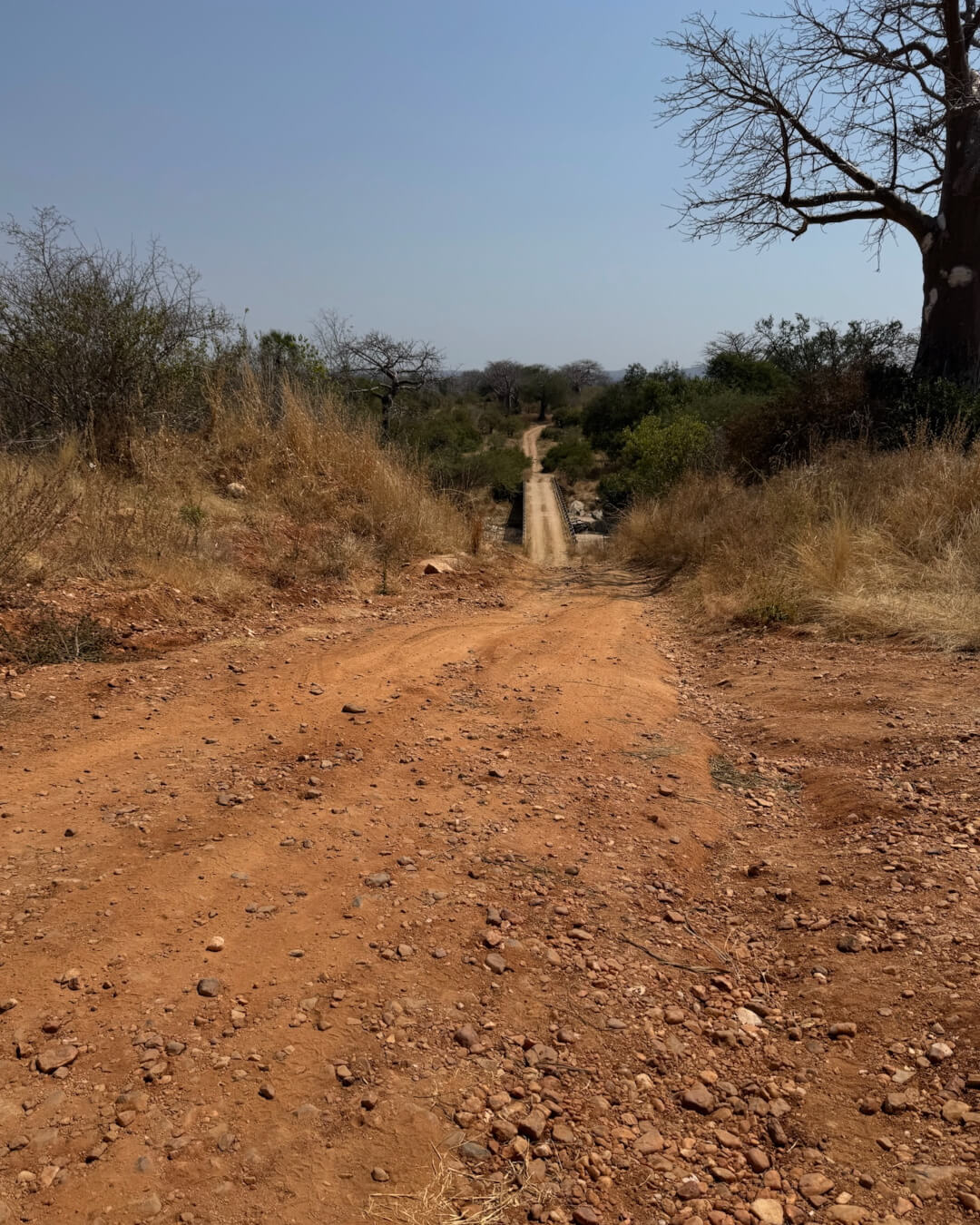
Although they had to rejoin the highway for a stretch, they found another gravel road turning off near Ifunda that would lead them to Ruaha. It was slow going, with bad corrugation and washaways, not to mention cattle, goats and village dogs along the track. “Basically it’s a road that’s got no business being called a road. At one stage we were on a local farmer’s goat track through his cornfield. But if it’s a choice between the highway and travelling a back road like this, we pick the gravel road any day.”
Deciding where to stay
After 13 hours of travelling, they got to Ruaha just half an hour before the gate closed. There wasn’t enough time to make it to one of the wilderness campsites, so the first night was spent at the Ruaha Public Campsite #1. “Even though we were alone in the campsite, I wouldn’t recommend staying there,” says Jill. “There was no water and the ablutions hadn’t been serviced in months.”
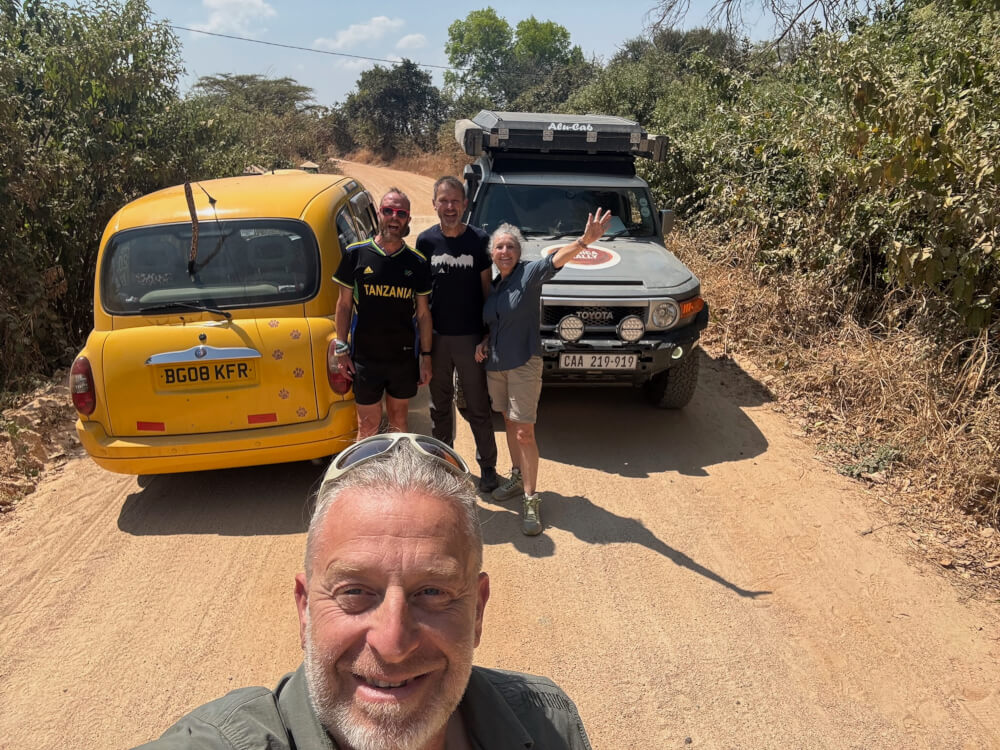
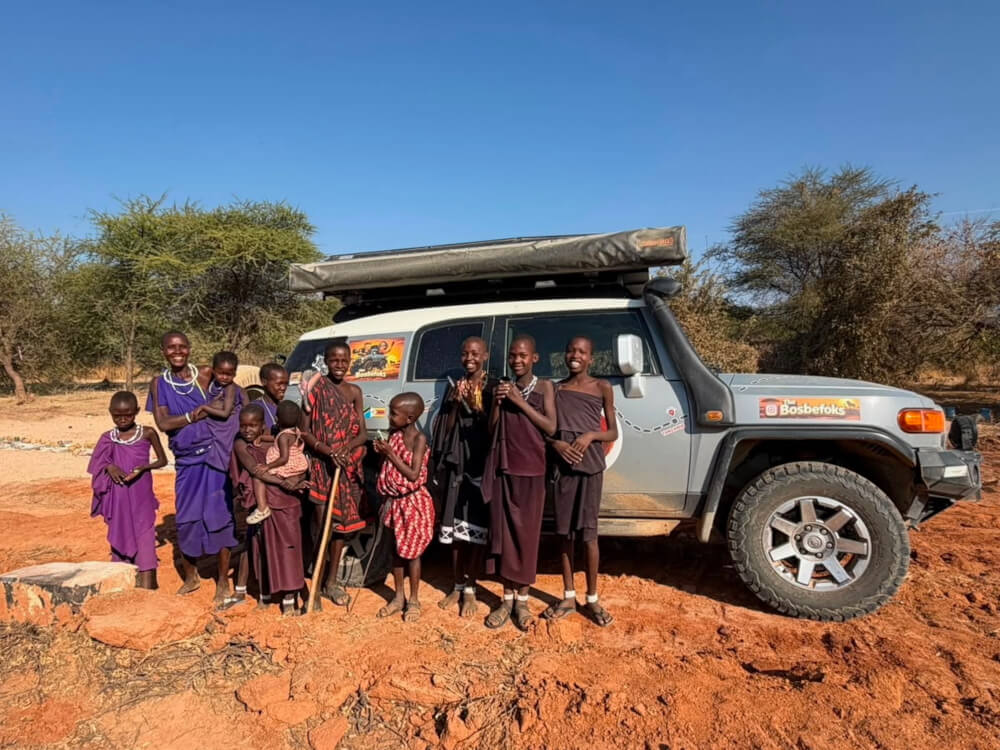
For anyone facing a long drive to reach Msembe Ruaha Main Gate, it might be a better option to stay outside the park and enter only the next day. Several of the other African Rally participants stayed at Ruaha-Maasai Camp , some 10km from the park. “They loved it. They went walking with the Maasai and their cattle, and the people running the place really went out of their way for them.”
Whereas camping outside the park tends to cost $10 a person a night, the park’s public campsite is considerably pricier at $30 a person night. For a special (wilderness) campsite, it’s $50 a person a night. “You pay a bit more for the privilege of the wild campsites, but it’s a much nicer experience,” says Jill. Keep in mind that conservation and vehicle fees (charged per 24-hour period) are also added.
Camping wild at Ifuguru
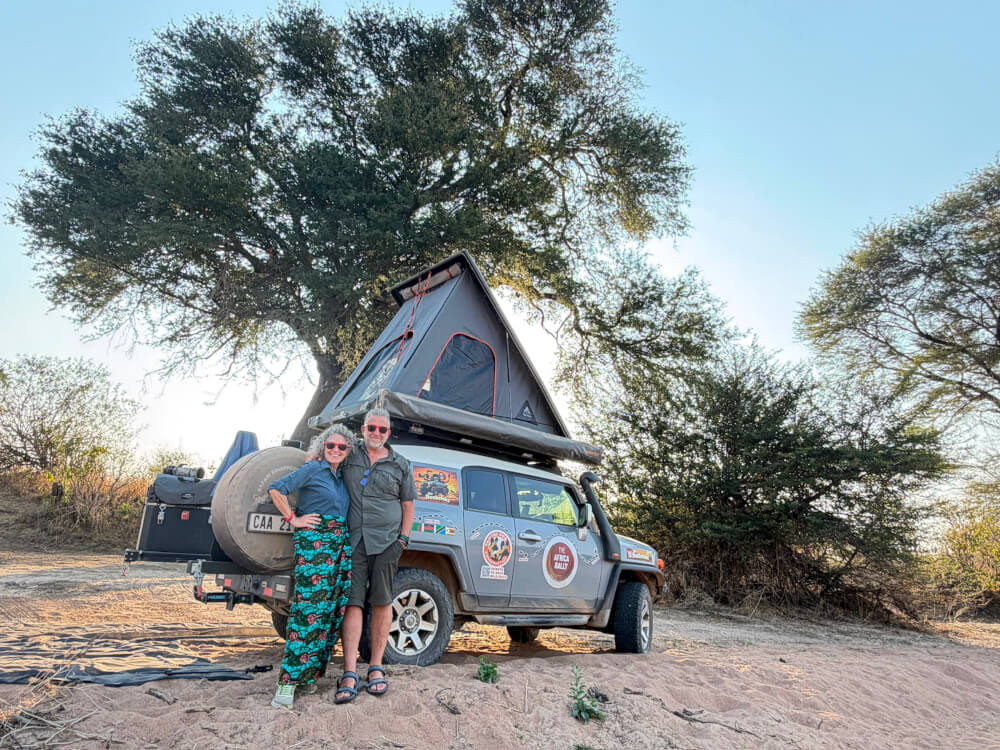
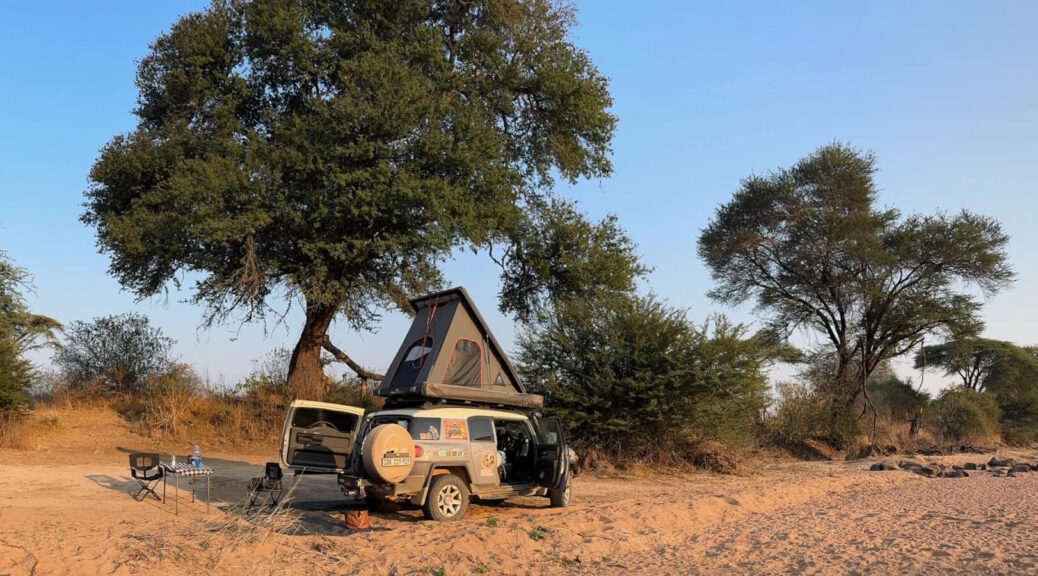
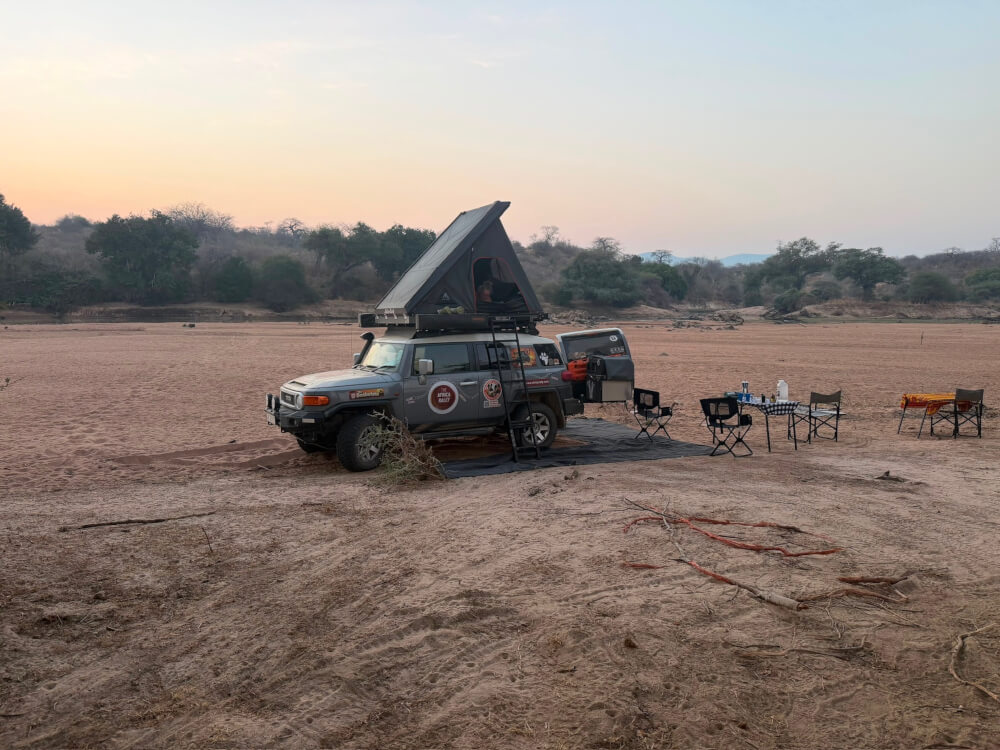
Ifuguru Special Campsite is located in a gorgeous part of Ruaha National Park, roughly two hours’ drive from park headquarters and the main entrance. Situated along the usually dry Mwagusi River, it has sweeping views over the landscape, with one side of the riverbank crowned by beautiful baobabs.
But getting to Ifuguru wasn’t entirely straightforward. Being used to Kruger’s well-mapped road network, the couple expected to receive clear directions to the campsite. At park reception, there were no maps to be had, aside from a blurry PDF for download. After some pressing, staff printed out a map with markings at junction points but very little else to go on. “We were completely at sea,” says Jill. “This is where Tracks4Africa really stepped up to help us. We put Ifuguru into the Garmin GPS and in this way managed to navigate there.”
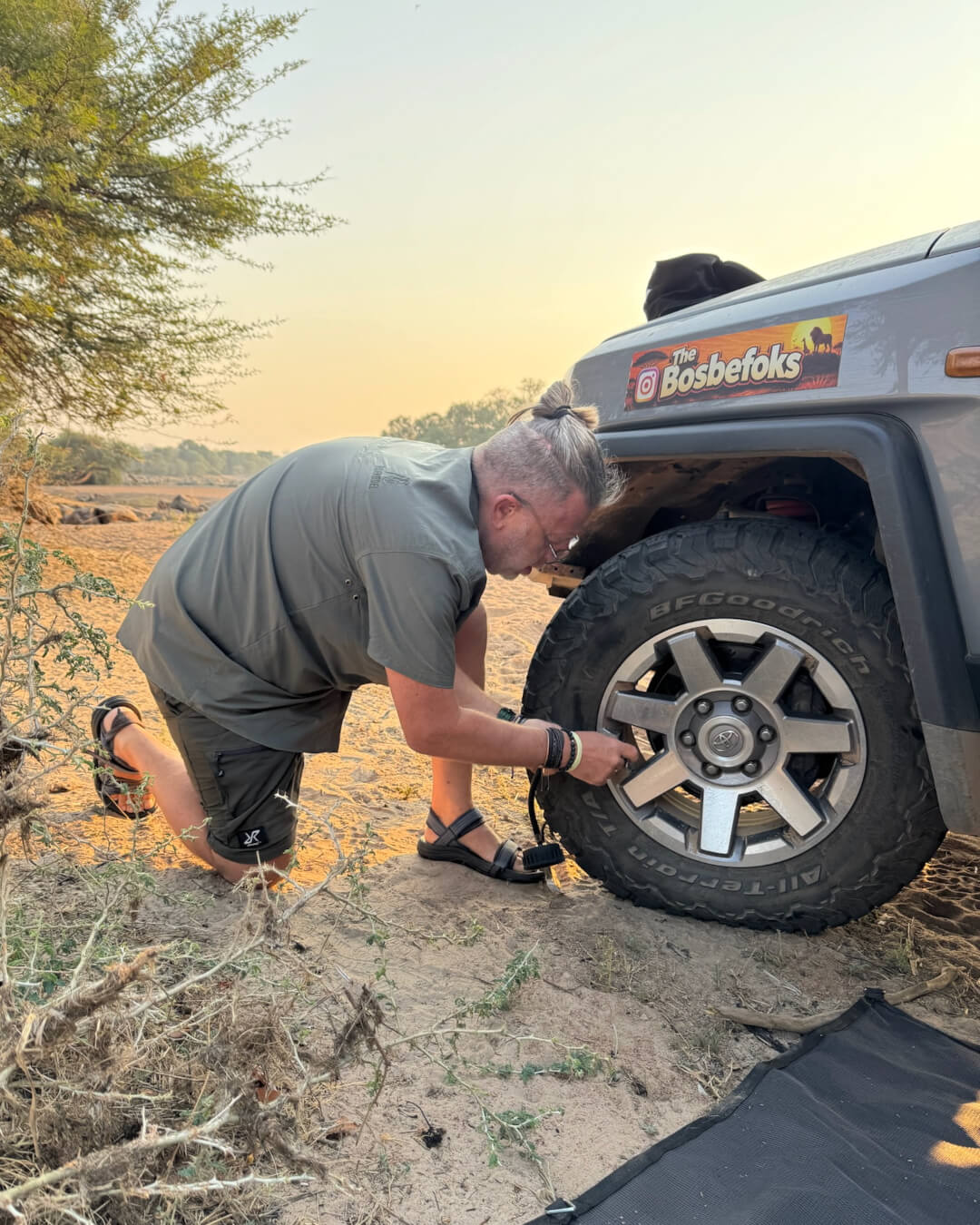
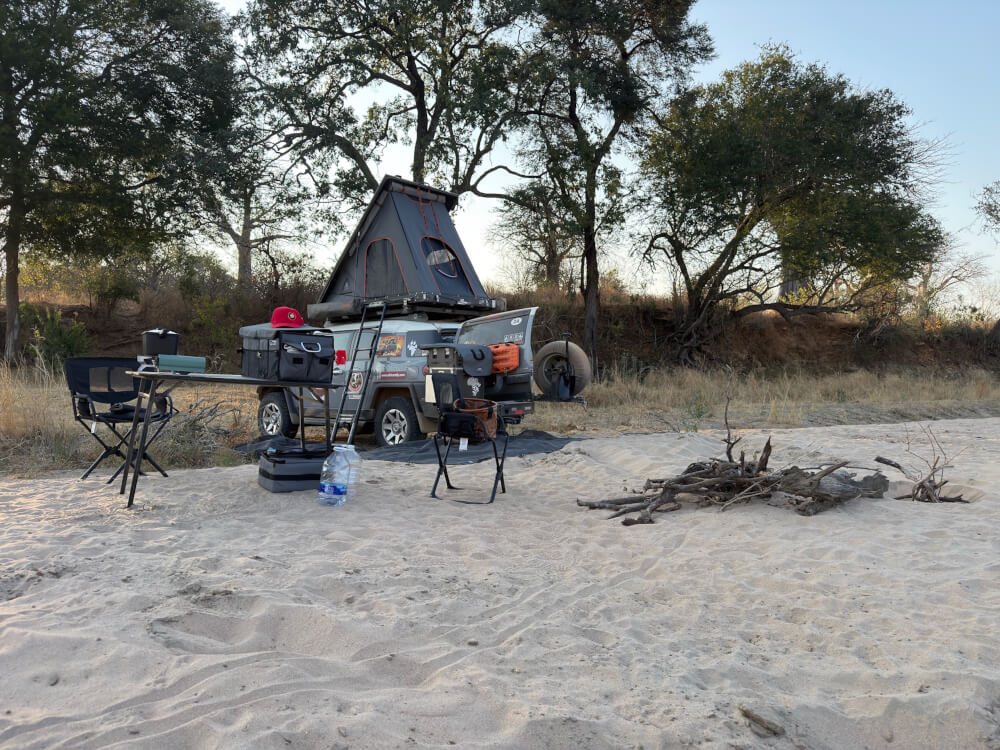
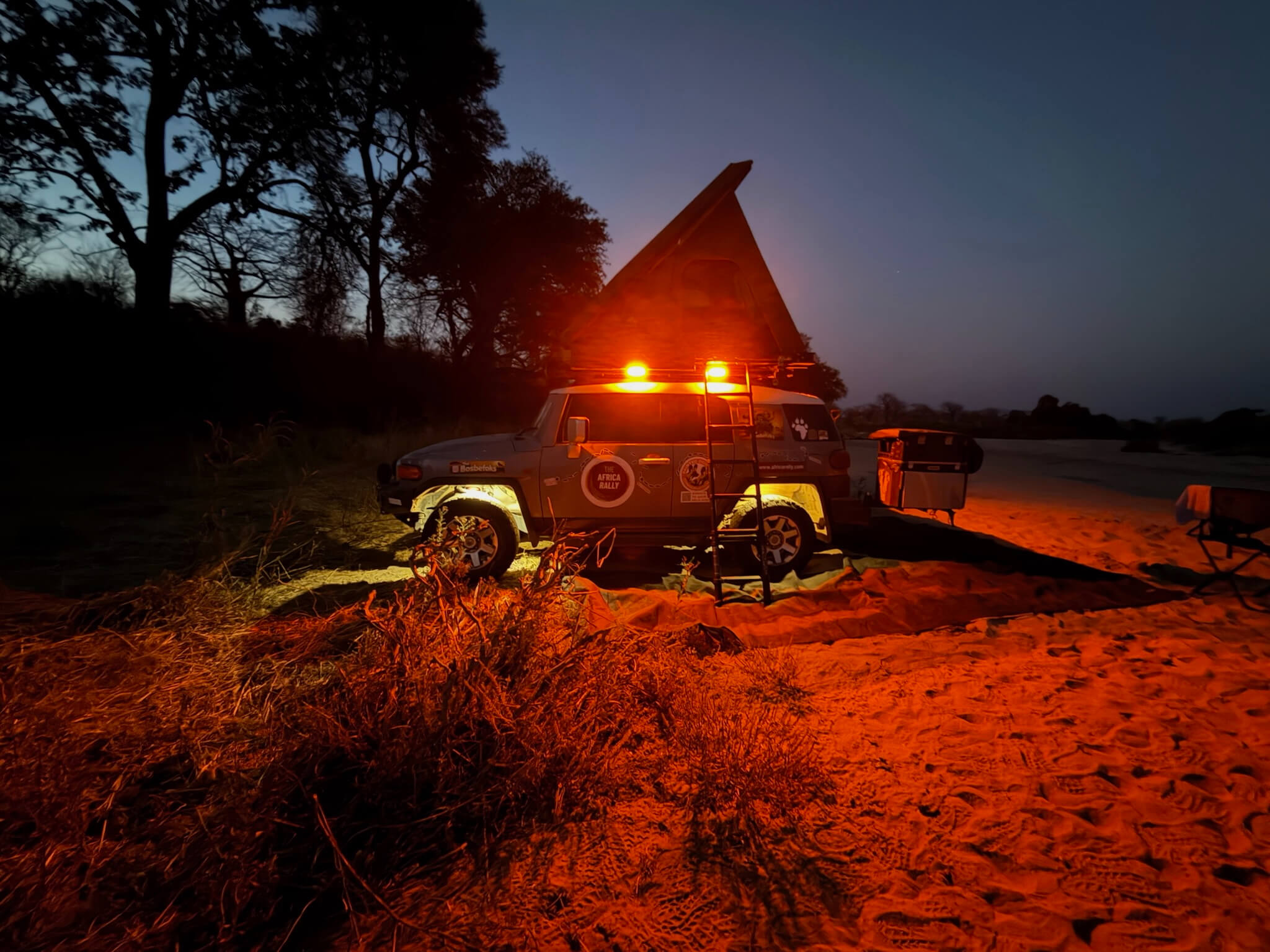
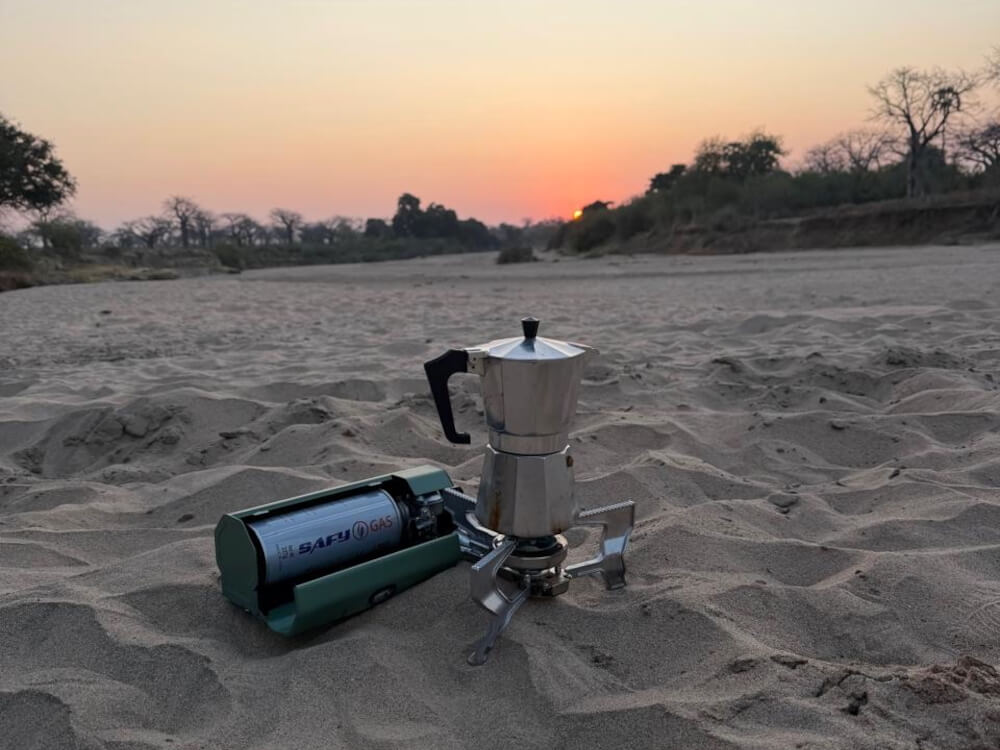
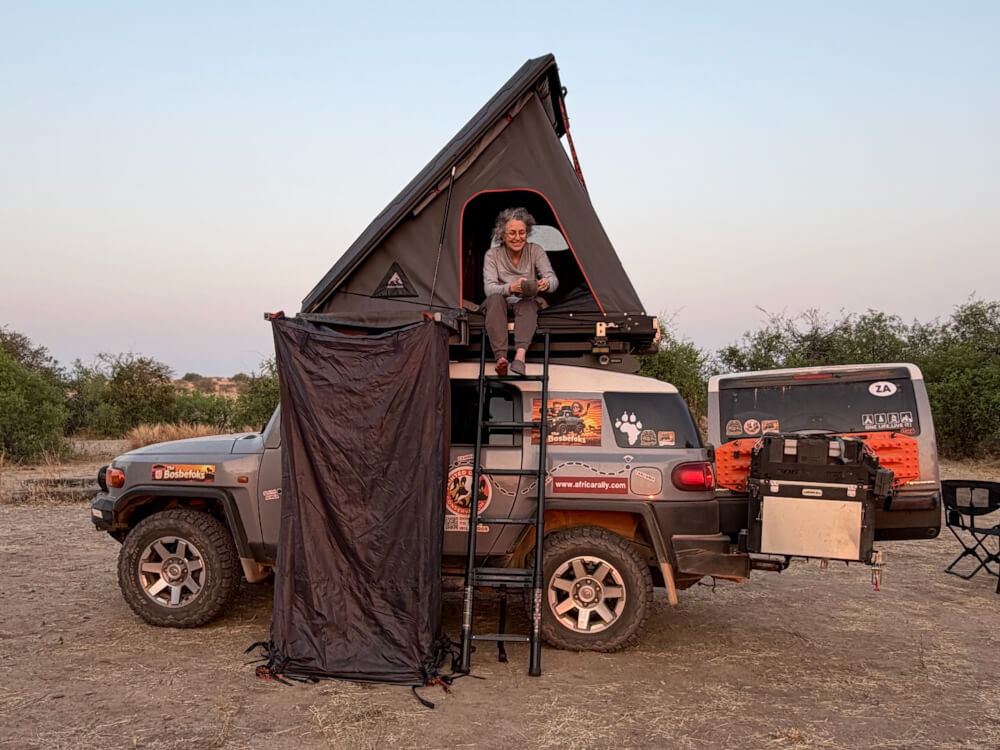
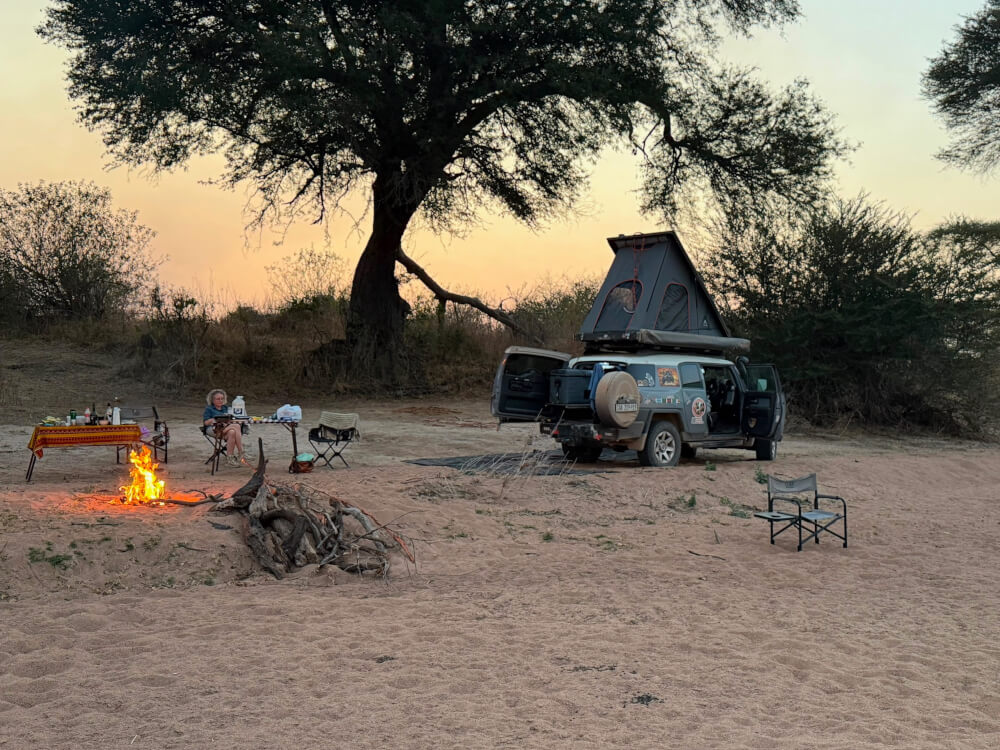
They set up on a sandy embankment and dug a fire pit, then settled into their camp chairs to watch the sunset. Downriver, they had seen elephants digging for water. As the day drew to a close and they could hear the bush settling around them, time stood still.
“It’s so solitary and your senses are heightened because you have to be really vigilant. There’s an excitement and a beauty that comes from that,” says Adam. Deep in the bush, far away from any settlement, the view of the night sky was spectacular.
Wild camping and wild animals
The couple had such a magical time at Ifuguru, they were in two minds as to whether they should decamp to Mhawa Special campsite for the next night. “It’s definitely worth going to both, because they’re quite different,” says Adam. Mhawa is in the southwestern corner of the park on the Great Ruaha River, which was full of hippos. Knowing that the special campsites aren’t so easy to locate, they’d left enough time to get to Mhawa, so had the afternoon to get settled in with sundowners. A sandy section to the side of the river gave them a good distance from the hippos, whose grunts and bellows made up the soundtrack for the night.
Although Ruaha is game rich, there’s no shortcut to finding the animals since the park is so massive. “Ruaha needs time. We realised we needed longer there, maybe a week,” they say. Fortunately, both special campsites are reached by gravel roads that lead along rivers, so are productive for game. Aside from the typical plains game, Adam and Jill also had a thrilling lion sighting. “We saw a big, beautiful male some metres from a lioness. Then we noticed she had a little cub, maybe 6-8 weeks’ old, stashed under a thick thorn bush. We don’t know if the male was the cub’s father or not, but the female lion attacked him and chased him off. He’d clearly gotten too close.”
And while they didn’t see leopard, they heard one in the bushes while camping at Ifuguru. “You could hear the baboons alarm calling and the guinea fowl going crazy. We also saw hyena walking past our camp,” says Adam. It’s that kind of experience that drew them to Ruaha. Their advice: just have your wits about you and enjoy yourself.
Good to know about Ruaha
Self-driving is mostly limited to the northern and eastern parts of the park where the campsites are concentrated. A 4×4 is essential as you will encounter all types of road surfaces: soft sand, hard sand, corrugation, loose rock and washaways.
Park fees are calculated by person (conservation fees of $30) and by vehicle for a 24-hour period. Note that the cost per vehicle depends on its tare weight. Up to two tonnes, it costs $40; above it, there’s a substantial jump to $150.
The special campsites at Ifuguru and Mhawa are exclusively booked and can accommodate up to 10 people. In theory, it’s possible to book through the Tanzanian Parks’ booking system; in practice, this doesn’t function. But Ruaha is little visited enough that you could just turn up.
To stay at Ifuguru and Mhawa, you have to be fully self-sufficient, taking enough water and firewood. When wild camping you also need excellent illumination so you can see further than just 2m away into the bush.
Before going to bed, make sure any food and rubbish is safely stowed inside the vehicle.
About the overlanders
Kruger and safari regulars Adam and Jill Schulman took on the Africa Rally in July 2026 as their first overlanding expedition: 7,500km and 5 countries in 3 weeks. But the overlanding bug bit properly and the way home involved a detour to Zimbabwe. Since then, they’ve managed to fit in another trip to Kruger, as well as Botswana, and Adam recently travelled to Kafue to document the work of the Zambia Carnivore Programme. To see more of their adventures, follow them on Instagram.