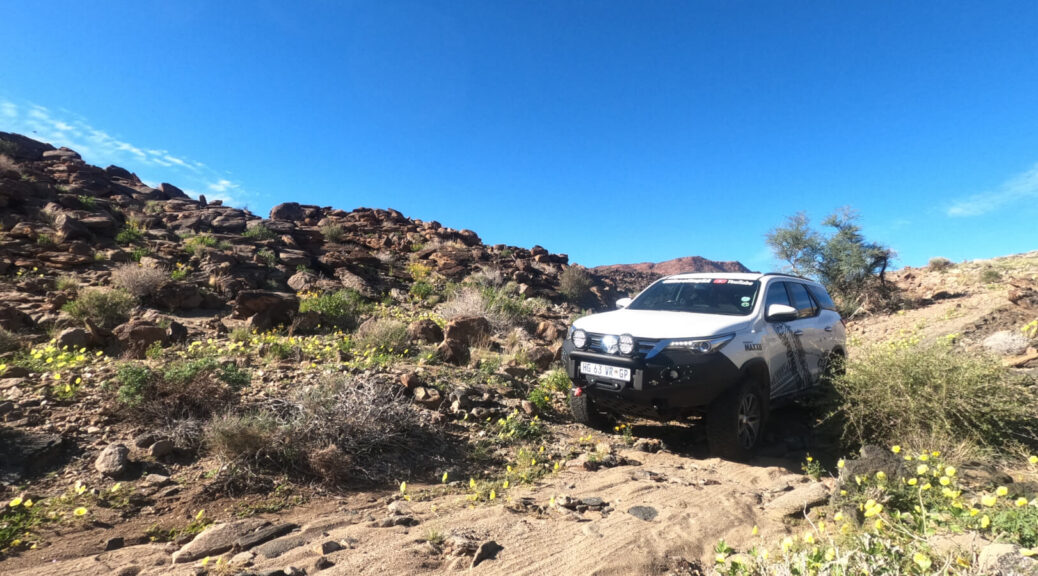
The date farm of Klein Pella may be known as staging post for the Namakwa Eco Trail, but it’s a destination in its own right. By Henk Bogaards
For many overlanders, there is always that one road or signpost we pass a dozen times, promising an adventure we haven’t yet taken. For me, that was the turn-off to the Namakwa Eco Trail on the road between Pofadder and Aggeneys. It leads to the mission town of Pella and onwards to Klein Pella, a date farm with several 4×4 routes. Klein Pella is also typically the last place to camp with conveniences before the ‘wild’ campsites of the trail.
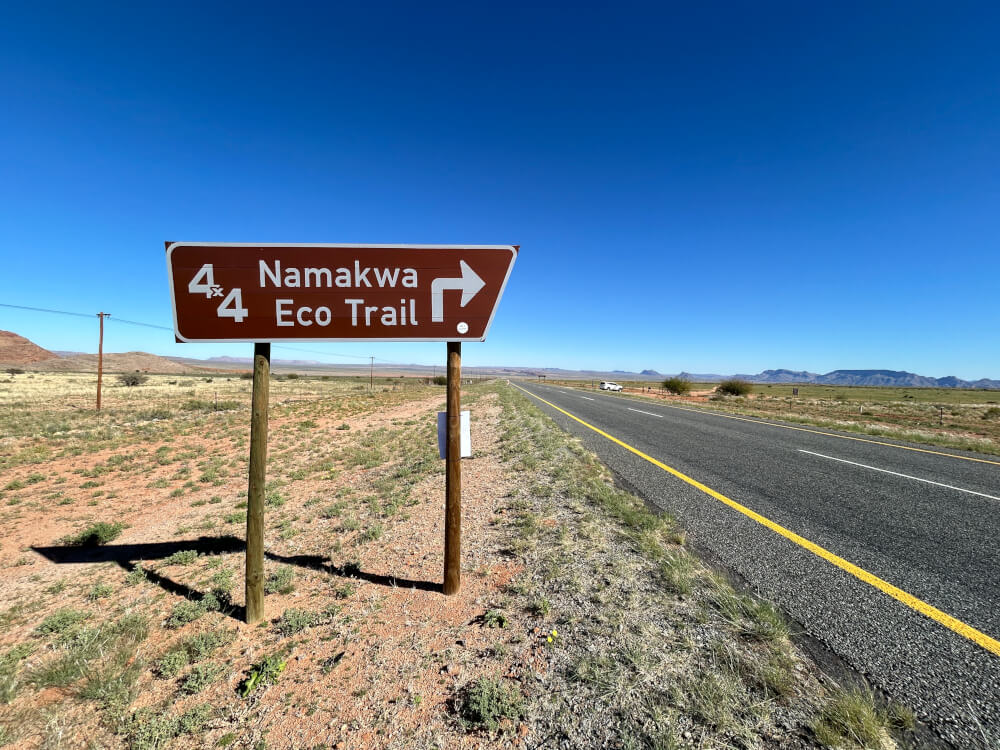
At the end of April 2026, I finally got to drive the Namakwa Eco Trail, starting in Vioolsdrift and heading east. This trail isn’t just another scenic drive in the Northern Cape; it is a full-blown expedition across what can only be described as the “broken ribs of the Earth”. In this stark, prehistoric landscape of billion-year-old granite the green vein of the Orange River (the Gariep) cuts through a brutal, unforgiving desert. My solo trip was a once-in-a-lifetime experience, with every moment demanding my undivided attention.
But my route meant I had unfinished business. So after the last night at Ramansdrift, I headed back to the N12 to pick up the route to Klein Pella.
The road to Pella
While many travellers rush along the main transit route to get to the quiet, isolated oasis town of Pella as quickly as possible, I pointed the Fortuner towards the start of the Namakwa Eco Trail. Taking these dirt loops adds only about 30 to 60 minutes to your journey, but it completely changes your perspective. It plunges you deep into the dry, sun-baked washouts and rocky plains that define the region. Budget enough time for this initial stretch to properly take in the scale of the surroundings.
Upon entering Pella, the Roman Catholic Cathedral rose suddenly out of the dust like an impossible desert mirage. It was built over a century ago by French missionaries who crafted it by hand using local clay bricks and timber. Today its pale yellow walls and towering spire stand as a monument to sheer human grit.
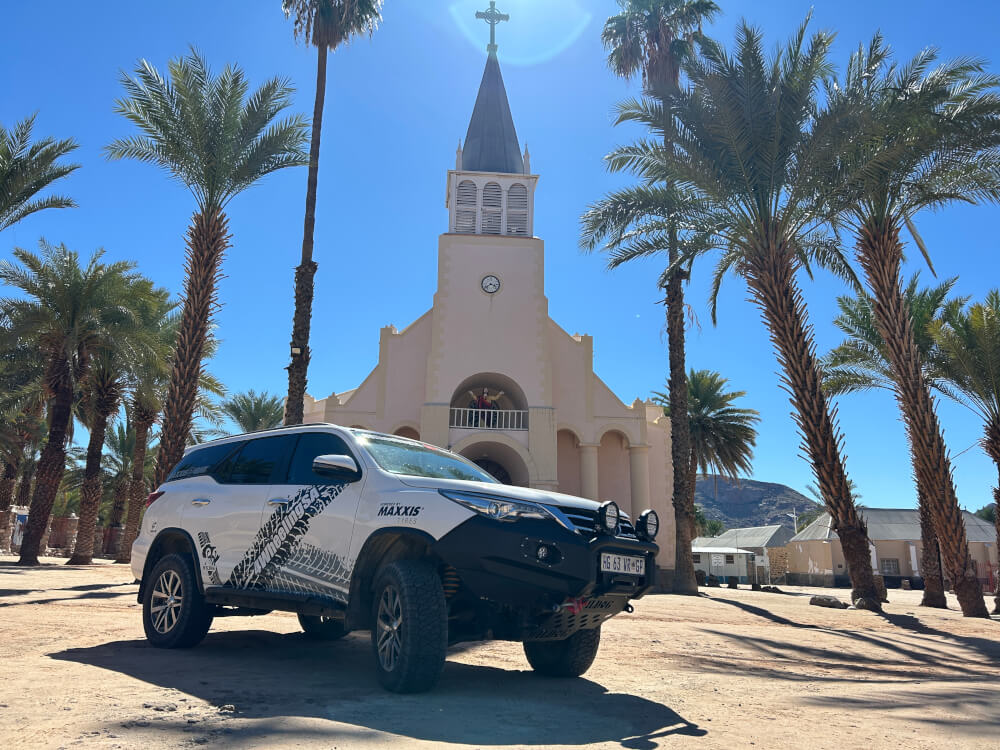
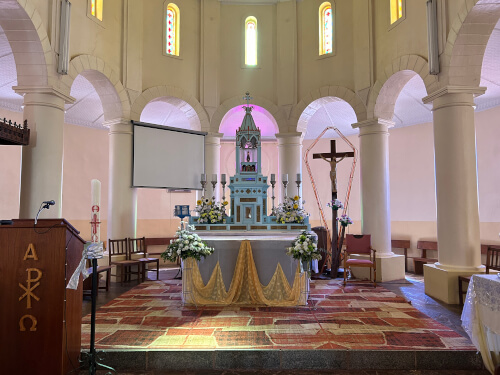
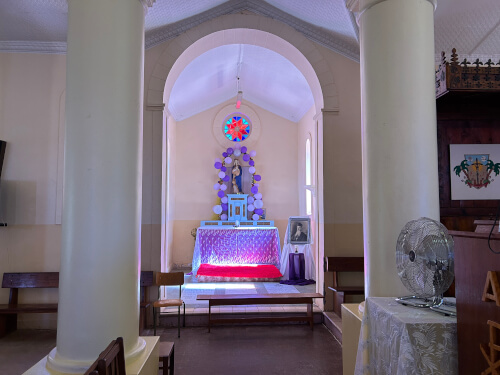
Overlander tip: Plan your itinerary so you are standing in the quiet church grounds precisely at 12:00 noon. Hearing the historic church bell ring out across the absolute silence of the desert was a grounding experience before I headed back out into the wilderness.
Tackling Charles’ Pass
Leaving the tranquillity of Pella behind, the trail immediately gets down to business as you head toward Charles’ Pass. This is a little bit technical, but as long as you use the correct tire pressure you should not have any problems.
My very first order of business at the base of the pass was dropping my tire pressure down to 1.5 bar. On sharp, loose shale and jagged granite steps, lower pressure isn’t just about ride comfort. It increases the tire’s footprint to prevent sidewall cuts and provides crucial traction. Navigating Charles’ Pass solo required complete concentration as there was no spotter outside to guide my front wheels. I had to walk the trickier sections first, pick a clean line and let low range do the work as I climbed past landmarks like the ancient dry waterfall.
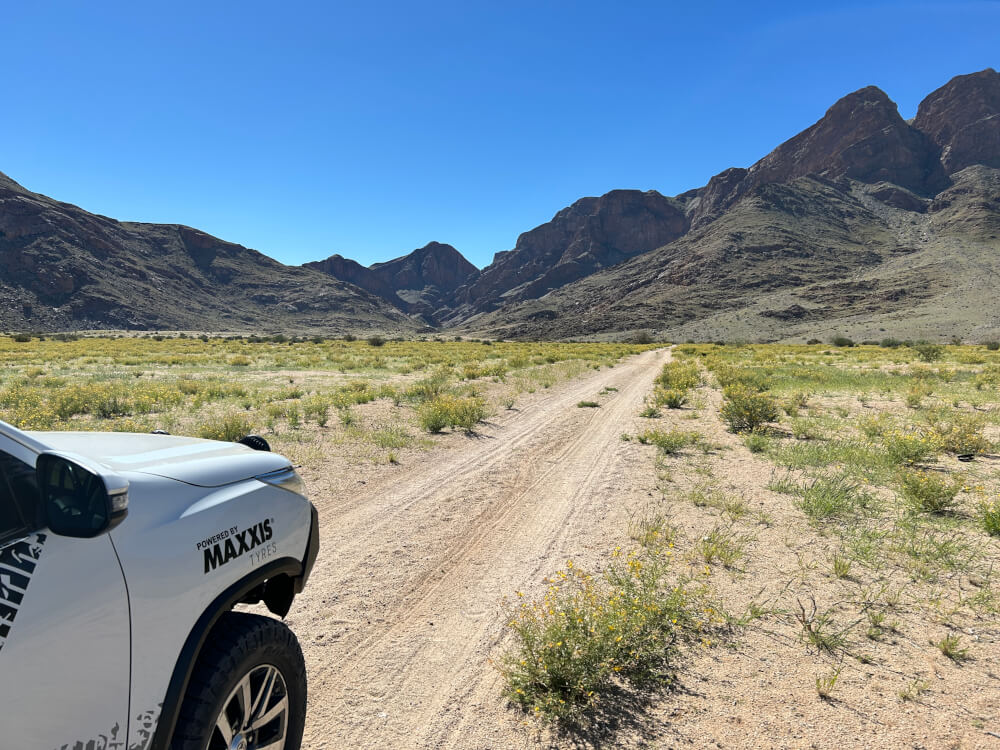
The back road along the river that connects Pella to Klein Pella offers a brief, somewhat monotonous transit stretch. It’s a chance to let the engine cool, check your dust seals and prepare for the next chapter. I would, however, recommend driving back to Pella after Charles’ Pass and taking the ‘main’ road to Klein Pella. The road that follows the river is extremely bumpy.
Klein Pella: An overlander’s oasis
After hours of bouncing over corrugations and dust, pulling into Klein Pella Guestfarm feels like discovering an island in the middle of an ocean. Famous as the largest date plantation in the Southern Hemisphere, the farm’s bright green palm groves stand out against the stark, orange mountain backdrop.
The campsite here is tailored specifically for travellers who have spent long days on the trail. You are greeted by green grass, a rare luxury in the desert, and shade trees that offer sweet relief from the blistering midday heat. They even have a pool where you can cool down in summer. The facilities are immaculate, complete with hot water, dedicated braai area, and 220V power to recharge your batteries, fridge and camera gear. You have a choice of shared ablutions or two stands with private ablutions. I chose the latter.
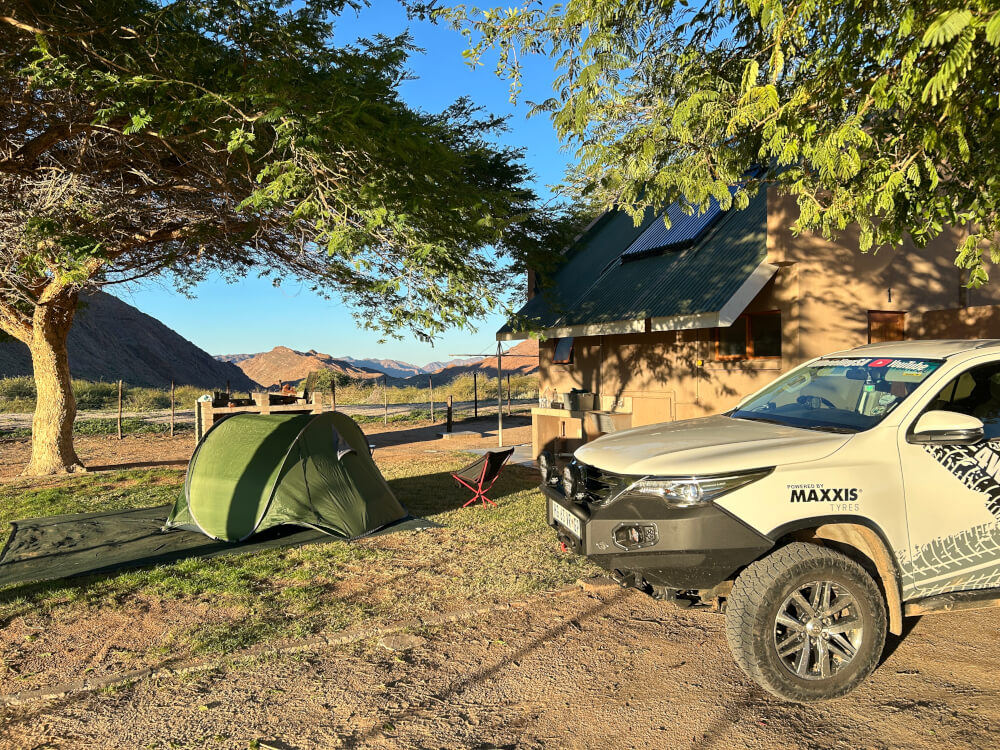
I had booked two nights at Klein Pella so that I could check out the network of private 4×4 trails.
The E-trail
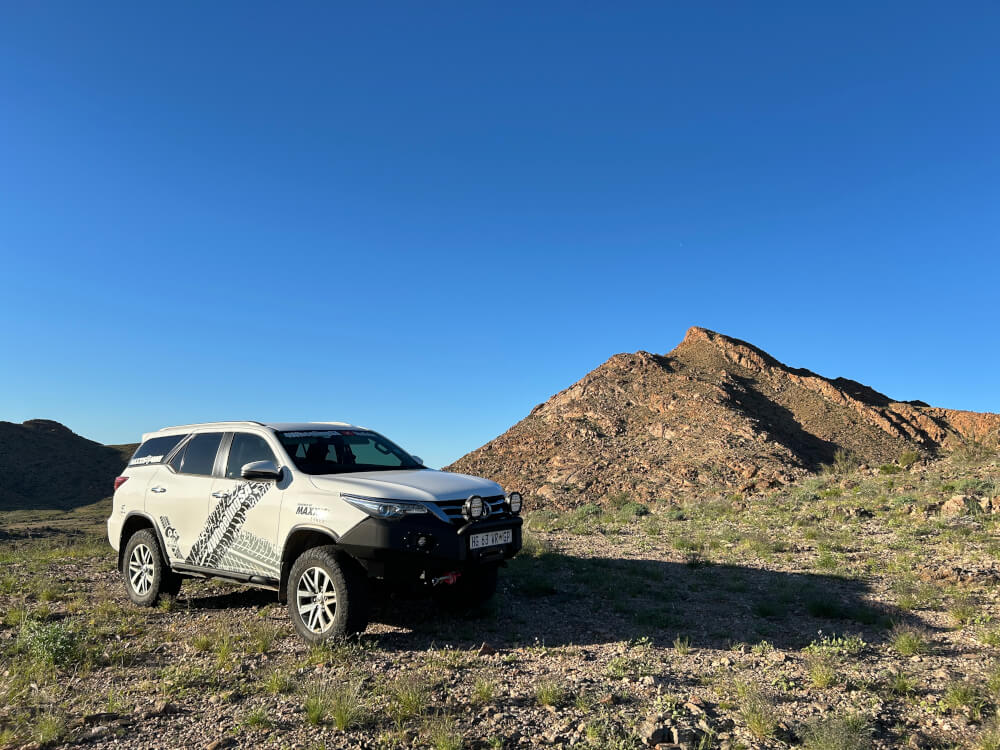
If you reach camp in the late afternoon with an hour or two of sunlight remaining, heading straight out onto the E-trail is mandatory. It is a short, accessible drive, but what it lacks in technical difficulty, it delivers in staggering vertical drama.
The trail winds up a steep, stony ridge to a high-altitude lookout point. I got to the top as the sun was already low on the horizon, before me a sweeping panoramic view of the farm and the neat rows of date palms below. Although you cannot see the river, you know it is just behind the mountains in the distance. Standing there in the silence of golden hour gives you a profound sense of scale and reminds you why we pack up our rigs and head into the remote corners of Africa.
The A-trail
For those wanting to put their vehicle and driving technique through a true test, Klein Pella’s A-trail is a Grade 3 route that serves up a comprehensive workout.
The trail begins easily enough over smooth gravel, but don’t let that fool you. Within minutes, the track narrows and turns into a rugged, off-camber landscape that mirrors the toughest sections of the greater Namakwa Eco Trail.
I visited after good rains, which meant large sections of the track was in tall, thick grass. This introduced a major challenge: hidden boulders, washouts and deep ruts buried beneath the greenery. Track-spotting became essential. You can’t just drive blindly; you have to slow down and constantly read the terrain ahead to avoid hanging up an axle or damaging a steering arm.
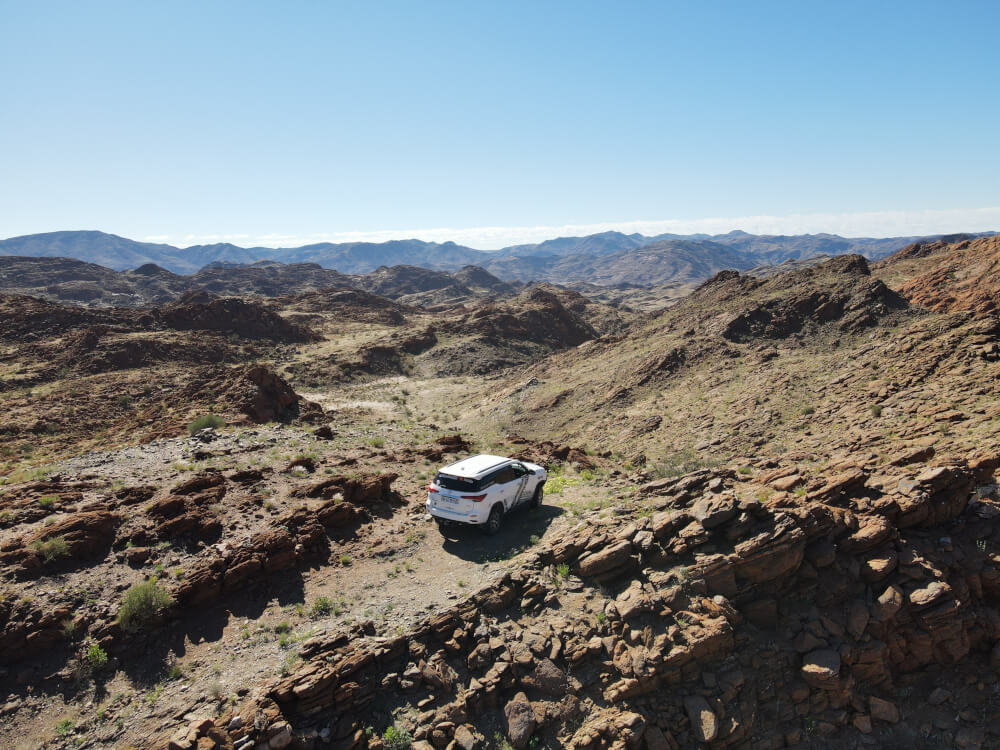
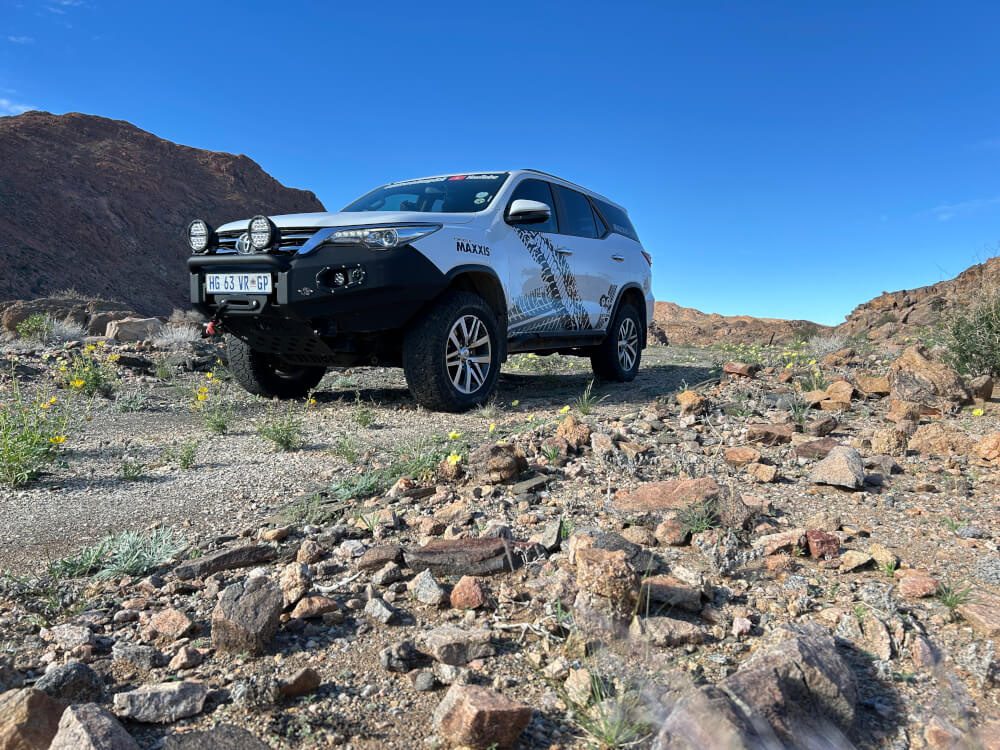
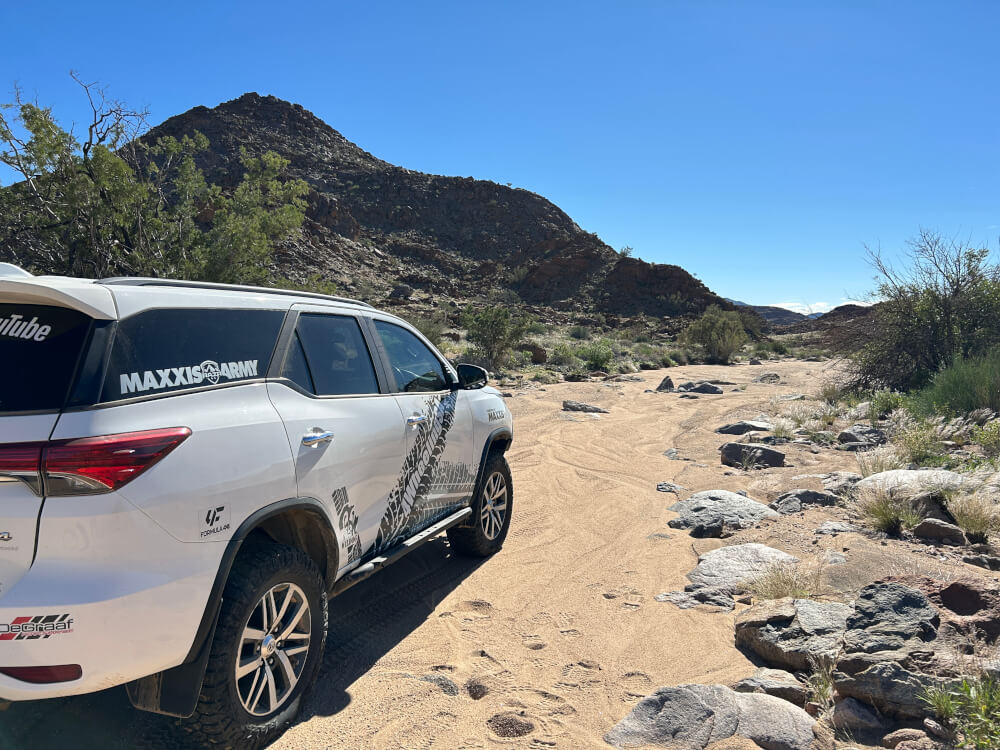
As you push deeper, the route requires low range and steady throttle modulation. You will encounter off-camber rock gardens, sharp granite ledges and dry river crossings filled with soft sand. When the sand gets hot in the afternoon, traction drops dramatically. Maintaining smooth momentum without spinning the wheels is the key to gliding through without getting bogged down.
At the beginning of the A-trail lies a koppie with an abandoned radio tower post. It is an interesting, but not difficult drive to the top which delivers a full 360-degree view. This is the perfect spot to end or start a trip.
4×4 advice for Klein Pella
While Klein Pella features extreme, dedicated tracks for hardcore rock-crawlers, the A, B and E-trails are ideal for any 4×4 with low range and decent tire clearance.
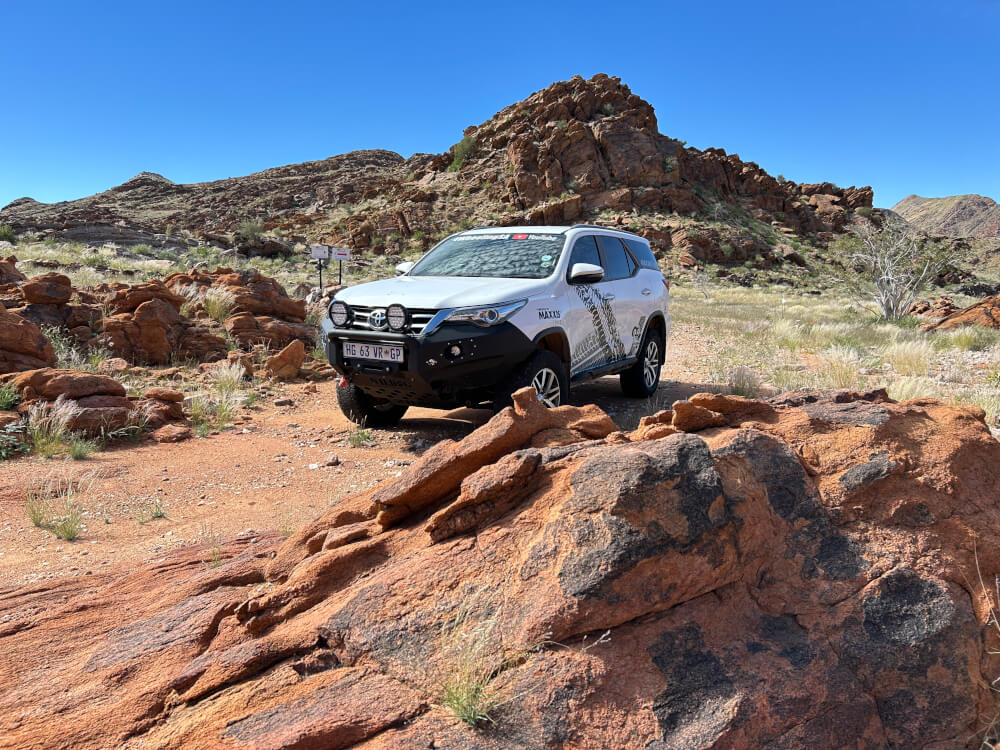
- Drive within your limits: You don’t need a heavily modified vehicle. But you do need patience, a tire pressure gauge, a compressor and basic recovery gear (like traction boards and a shovel).
- Take your time: If you are driving solo or are relatively new to technical 4×4 trails, take the A-trail slowly. If an obstacle looks intimidating from the driver’s seat, stop, pull the handbrake, get out and walk it first. Pick your line on foot before driving it.
The ultimate Namakwa teaser
Not every overlander has the 5 to 6 uninterrupted days required to drive the full Namakwa Eco Trail from Pofadder all the way to the Atlantic Ocean at Alexander Bay. This is where Klein Pella comes into its own.
If you are passing through on a broader Northern Cape trip, a 2-day stopover at Klein Pella offers a preview of the full Namakwa expedition. It packs every element of the greater trail into a condensed footprint: the technical shale climbs, the soft sand riverbeds, the lush river views, and the deep, peaceful solitude of the desert. It is the perfect testing ground to stress-test your gear setup, fine-tune your tire pressures and get an authentic taste of the area before coming back to tackle the full route.
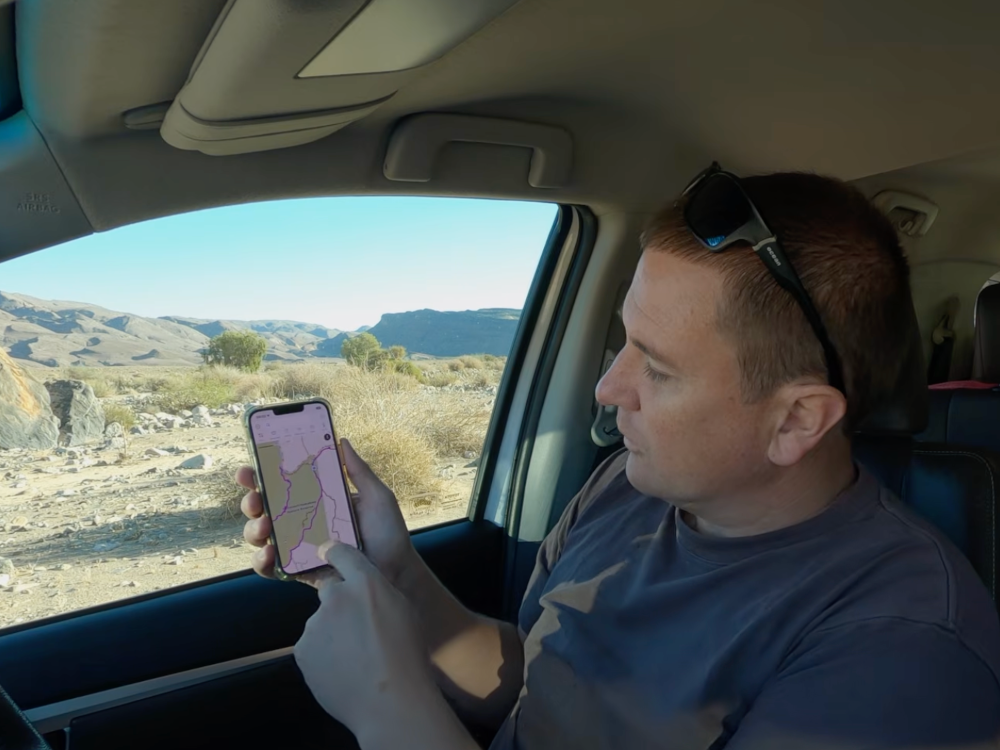
Henk plotted his route to the Northern Cape on the Tracks4Africa Trip Planner, then viewed the trip on his phone through the Tracks4Africa App. This way he could follow the route on the app and check that he wasn’t going off course. With the Tracks4Africa App, you can also search for points of interest around you and access rich information if you buy country guides.
About the overlander
Off-roading enthusiast Henk Bogaards lives to drive 4×4 routes and visit places that lie at the end of challenging gravel roads. Watch his experience of driving the Namakwa Eco Trail.
